The Ultimate Guide to Cusco – Travel Tips to Know Before Your Visit
 AuthorTeam Wayna Trekkers
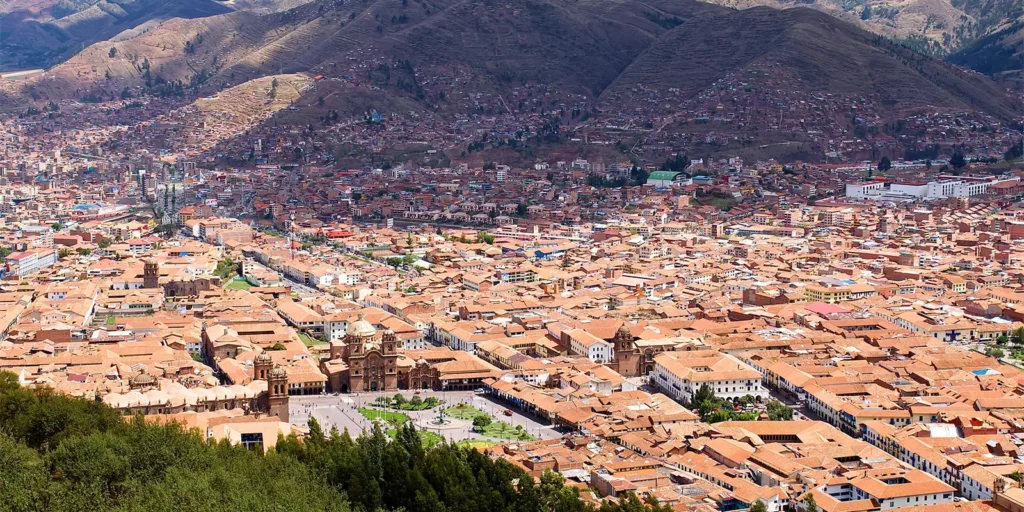
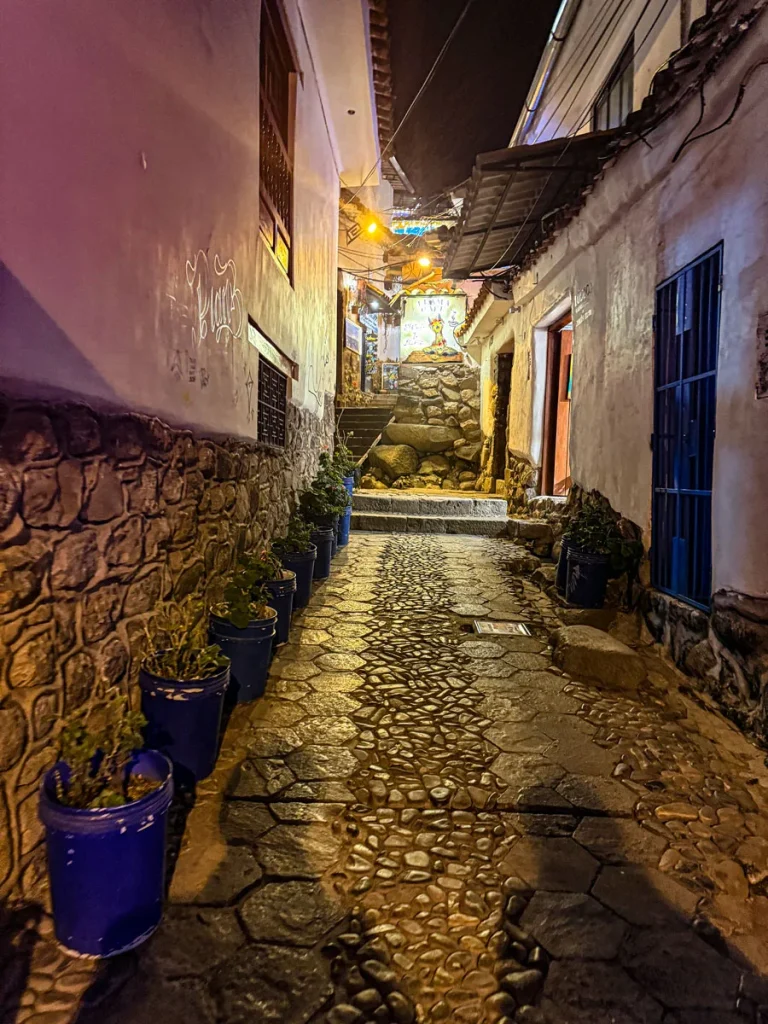
Cusco is more than just the gateway to Machu Picchu; it is the historic heart of the Inca Empire and arguably the most captivating city in South America. Walking its cobblestone streets, where colonial architecture sits atop ancient Inca stone walls, is a magical experience.
However, at 3,400 meters (11,150 feet) above sea level, Cusco presents unique challenges for travelers. A trip here requires more preparation than your average city break.
If you are planning a trip to the Andes, preparation is key to enjoying the experience rather than suffering through it. Based on extensive experience, here are essential Cusco travel tips to ensure your adventure is smooth, safe, and unforgettable.
1. Conquering the Altitude is Your Priorit
The number one concern for nearly everyone visiting Cusco is altitude sickness (known locally as soroche). It can affect anyone, regardless of fitness level or age. Do not underestimate it.
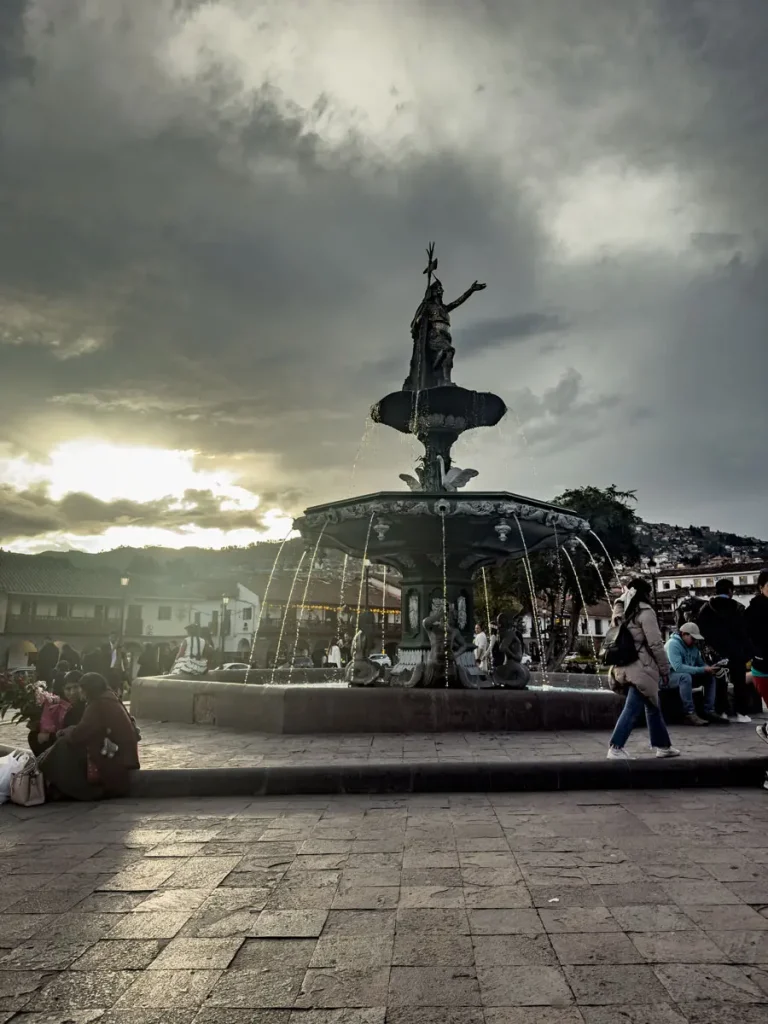
- Take the First Day Seriously Off: Do not plan hikes or major tours on Day 1. Your body needs time to adjust to the lower oxygen levels. Use this day to rest in your hotel, walk very slowly around the Plaza de Armas, and eat light meals.
- Hydrate, Hydrate, Hydrate: The air at high altitude is incredibly dry. You will lose water faster than you realize. Drink 2-3 liters of water daily.
- Embrace the Coca Leaf: You will find coca tea (mate de coca) everywhere in Cusco hotels. It is a mild stimulant traditionally used in the Andes to combat altitude symptoms. It really helps.
- Avoid Alcohol Initially: Alcohol dehydrates you and slows acclimatization. Save the Pisco Sours for Day 3 when you are feeling adjusted.
2. Timing Your Visit: Dry vs. Wet Season
Understanding the Andean seasons is crucial for planning your itinerary.
- Dry Season (May to October): This is generally considered the best time to visit Cusco for trekking. Days are sunny and bright, offering clear views of Machu Picchu. However, this is peak tourist season, so expect crowds and higher prices. Note: Nights get freezing cold during these months.
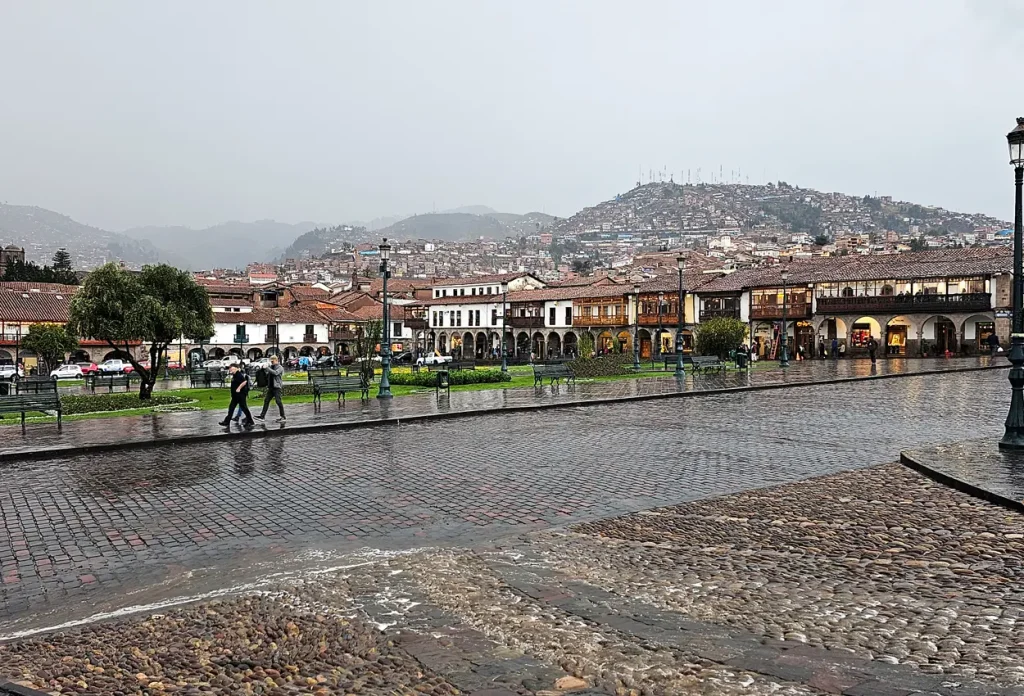
- Wet Season (November to April): Expect rain—sometimes heavy downpours—almost daily. The upside is that the landscape is lush and green, and there are fewer tourists. Flights and trains can sometimes be delayed due to weather.
- The “Shoulder” Sweet Spot: The transitional months of April, September, and October often offer the best balance of decent weather and moderate crowds.
3. Packing for Four Seasons in One Day
When packing for Cusco, forget “summer clothes” or “winter clothes.” You need layered clothes.
The sun at this altitude is intense and can feel very hot during the day. However, the moment the sun goes behind a cloud or sets in the evening, temperatures plummet instantly.
Your packing essentials:
- Layers: T-shirts, a warm fleece or sweater, and a windproof/waterproof outer shell jacket.
- Sun Protection: The UV rays here are extreme. A high SPF sunscreen, sunglasses, and a sun hat are non-negotiable, even on cloudy days.
- Comfortable Shoes: Cusco is hilly and paved with uneven ancient cobblestones. Leave the high heels at home; bring broken-in hiking boots or sturdy walking sneakers.
4. Money Matters and Logistics
While many places accept cards, Cusco is still very much a cash economy in smaller shops and markets.
- Carry Soles (Peruvian Currency): You will need cash for taxis, souvenirs at the San Pedro market, street food, and tips. Keep small coins handy for bathroom attendants.
- ATM Advice: ATMs are plentiful around the Plaza de Armas. Try to use ATMs located inside banks during business hours for security. Important: Always decline the ATM’s offer to do the currency conversion for you; let your home bank handle it for a better rate.
5. Health and Safety in Cusco
Generally, Cusco is a safe city for tourists, but you need to take standard precautions.
- Do NOT Drink the Tap Water: This is a golden rule in Peru. Only drink bottled or purified water. Use bottled water for brushing your teeth to be extra safe.
- Watch Your Pockets: Like any major tourist hub globally, petty theft and pickpocketing exist. Be vigilant in crowded areas like the San Pedro Market or during festivals. Keep wallets in front pockets and bags zipped shut.
- Taxis: Use registered radio taxis (usually booked by your hotel or restaurant) or Uber, which works well in the city center. Avoid hailing random unmarked cars on the street at night.


6. Cultural Etiquette
Peruvians are warm and welcoming people. A little respect goes a long way.
- Learn Basic Spanish: While many tour guides speak English, shopkeepers and taxi drivers often do not. Knowing basic greetings (Hola, Buenos días, Gracias) is appreciated.
- Photos and Tipping: You will see women in beautiful traditional dress holding baby alpacas around the city center. They make their living posing for photos. If you take a picture, it is expected that you give them a small tip (usually 2 to 5 Soles). Ask permission first.
A trip to Cusco is a bucket-list experience for good reason. The history is palpable, the culture is vibrant, and the scenery is dramatic. By respecting the altitude and packing smartly, you will be free to fully enjoy one of the world’s most remarkable cities.
7. Know How to Get Around and Get Out
If you’re arriving to the city by bus, maybe from Arequipa, you will arrive at the Cusco bus terminal, known as the “Terminal Terrestre de Cusco“. The terminal is located a few minutes outside the city center, so you’ll need to take a taxi (you can use Uber)to reach your hotel or accommodation. Costs range from 10 to 15 PEN (Local curreny), you can negotiate with them.
If you arrive at the airport, there are more options: You can freely pick a taxi which tipically costs 35 to 50 soles, or arrange a private shuttle in advance. Generally hotels and tour companies offer these services.
If you are planning a trip to the Sacred Valley or hikes outside of the city, you have to go to a specific colectivo station. Each spread across different points of the city, with vans to different destinations leaving from different streets. It’s certain that many travelers explore the city independently, so these specific colectivo departure points are generally found in local travel guides.
***What is a Colectivo?
It’s a shared minibus or van transporting travelers between local destinations. They generally depart when they are full and not on fixed schedules, most of them running the whole day.
8. If You Are Coming From Lima, You Should Fly To Cusco
Some passengers travel on a tight budget. That could leave you with just one option for getting between Lima and Cusco: a 24-hour bus ride. While it is true they are very comfortable, with lie-flat seats and acceptable food, it is still far from an enjoyable experience.
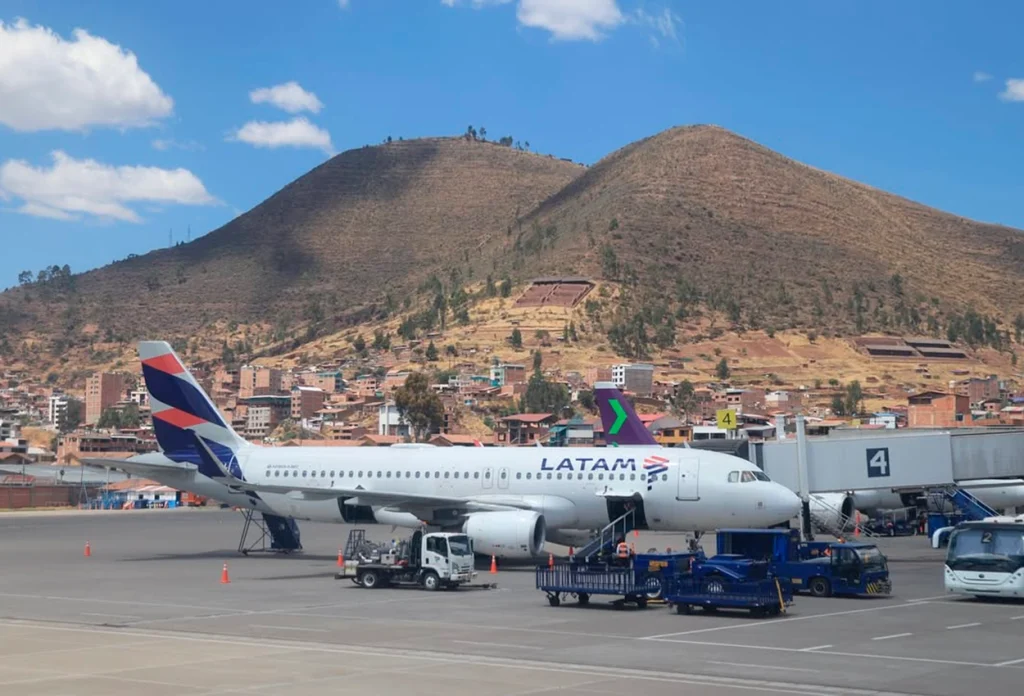
On our most recent visit, we chose to fly instead. Just one hour after taking off from Lima, we were landing in Cusco. Even better, the cost was nearly the same as the bus, with last-minute tickets available for around £45 per person. With multiple airlines and frequent daily flights, flying has become both convenient and affordable.
For your visit, we highly recomend to fly instead. Just after 1 hour flying you will be landing in Cusco. Furthermore, domestic flights are nearly the same cost as the bus, certainly, it is recomended to book them in advance (you can check flights at Skyscanner), as last minute ticket tend to be pricy. There are multiple airlines and frequent daily flights, so flying to Cusco became convenient and affordable.
If you have limited time to travel, and you have these to cities in your itinerary, flying is by far the best option.
9. Neighborhoods of Cusco
When exploring Cusco, it can be helpful to organize your itinerary by neighborhood. This approach minimizes backtracking and allows you to make the most efficient use of your time. Below is a brief overview of the city’s key areas:
When it come to explore Cusco, it could be convenient to plan your itinerary into Cusco’s neighborhoods. This approach will allow you to make the most efficient use of your time minimizing backtracking. In the following lines read a bried overview of the key areas of the city.
Plaza de Armas | The central square and the heart of Cusco, one of the most beautiful squares in South America. Here you will find numerous restaurants and bars (generally on the pricier side), the Cathedral, various shops selling souvenirs and hiking equipment. However, better to arrive with all your gear instead of picking your stuff at higher costs.
San Blas | Described as Cusco’s “bohemian” district, San Blas may be a bit of a cliché, but for good reasons. With local coffee shops, boutique stores, and plenty of vegetarian-friendly restaurant options, an ideal spot to spend a relaxed afternoon with beautiful views of the city.
Lucrepata | This beautiful neighborhood is Located next to San Blas. Lucrepata, an emerging neighborhood with more residential and quieter atmosphere. It’s a great place to stay if you travel for several days, as there are as there are Airbnb style accomodations around.
San Cristóbal | Perched atop the hill, overlooking the imperial city, its name is taken from the impressive Catholic Church in the area. Know for gorgeous views of Cusco and for its location closer to Saqsayhuaman, the most impresive Inca Site in the surroundings of the city..
Most hostels and hotels are located around Plaza de Armas “Cusco’s main tourist hub” and San Blas. The majority of main attractions and the hictoric center are within 10 mins walk. The city in general offers great Airbnb options, furthermore with spectacular views.
10. You Can Try Guinea Pig!
For foody travelers; cuy (guinea pig) is a traditional Andean dish that is offered in most menus in Cusco. A local delicacy that locals eat only in special dates, and if you’re feeling daring, why not giving it a try?
11. Looking for the perfect souvenir?
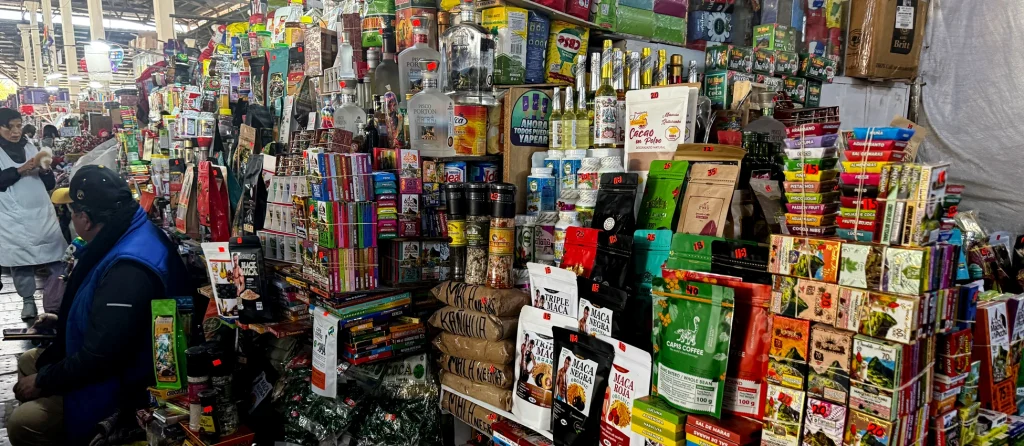
In San Blas, there are markets where you can find beautiful alpaca sweaters, hand-crafted souvenirs. Another great place to go is San pedro Market, prices are not high as you would expect in the Sacred Valley, both, great places to pick authentic Cusco treasures.
12. Best restaurant in Cusco: La Morena
I am sure this is the best place to eat ceviche. Fresh seafood and tasty dishes, one of the best ceviches I’ve ever tried. You may want to stop y after a long day in the city to reenergize.
It is quite popular among tourists and locals. So they are generally full if you stop by without any booking. We recommend making a reservation in advance.
13. Peru’s National Drink – Pisco
No trip to Peru is complete without Pisco experience, our National Drink! For a fun tasting or cocktail class head to Museo del Pisco or República del Pisco.
Another great spot for good Pisco Sour is Limbus, with great views of the city and the perfect way to unwind after busy days.

14. You Can Go Without a Guide But I Recommend Joining a Tour
You can certainly visit Machu Picchu, Cusco and the Sacred Valley without a guide, but this is a top travel tip for a reason. The major consideration is that without one you won’t be able to hike any of the Inca Trail versions or enter through the Sun Gate, and you’ll not learn truly the information that only local proffesional guides can share, about the history and deeper insights about this beautiful City. You won’t also know about the best photo spots. This is a experience that I am 100% sure will be value for money, investing in a guide makes a huge difference as the experience would be much cooler and enjoyable.
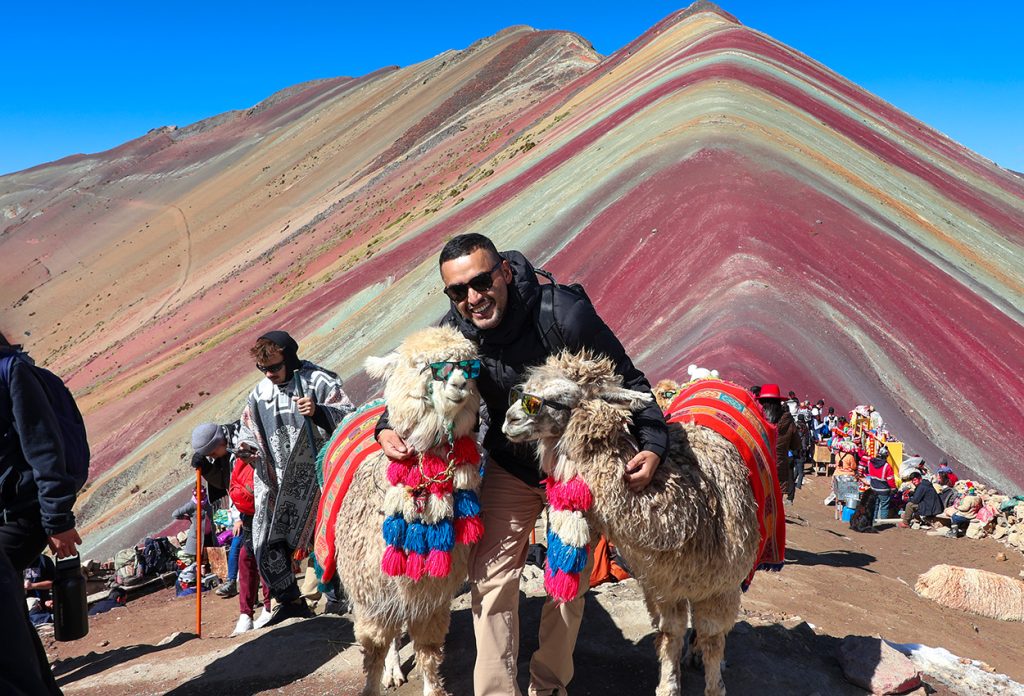
A tour that I highly recommend and encompasses the most important highlights of Cusco is the 4D/3N Sacred Valley, Short Inca Trail to Machu Picchu & Rainbow Mountain, specially with a local tour operator.

15. Plan Journey With Wayna Trekkers
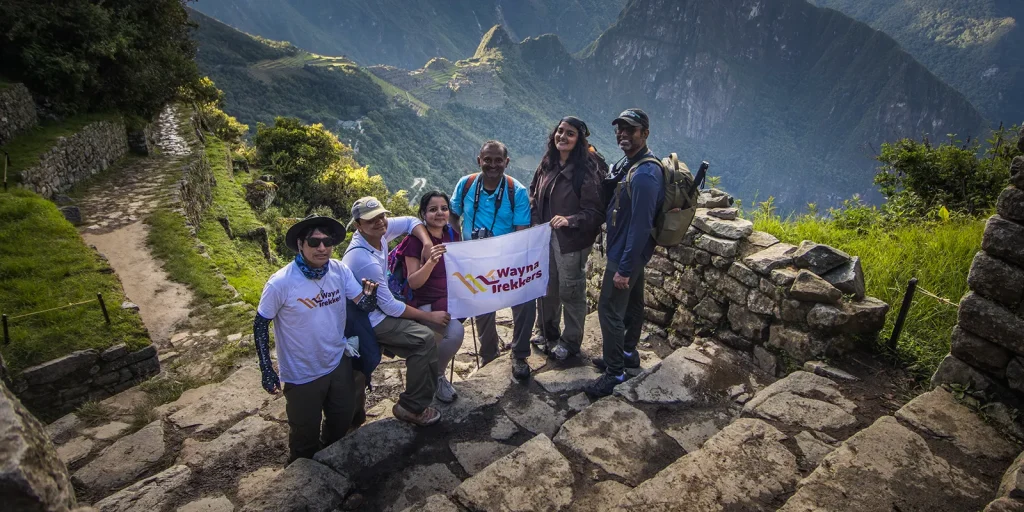
If you have a planned trip to Peru, and want to see the Sacred valley, Cusco Machupicchu or even planning a long journey to different destinations in Peru, WaynaTrekkers is a reliable company to travel with.
They have programmed packages and can also build a customized itinerary based on your needs and budget, they will help you make your experience unforgettable.

Team Wayna Trekkers
Travel specialist sharing practical advice, local stories and inspiration to help you discover Peru.