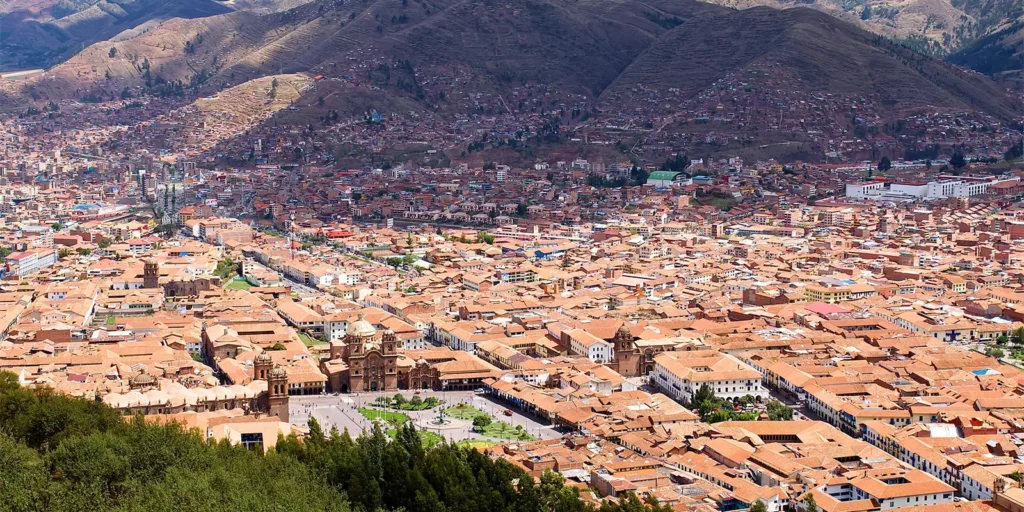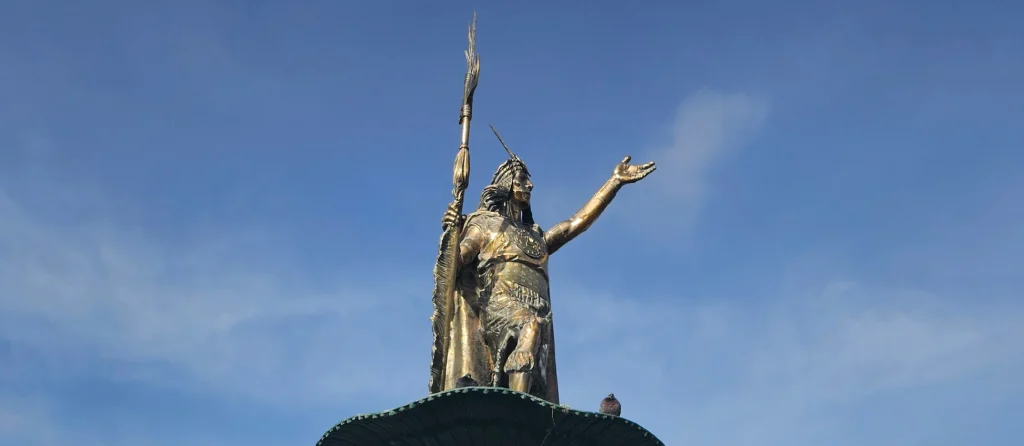
The Inca civilization, flourished in the Andes mountains of South America from the early 13th century until the Spanish conquest in the 16th century. This remarkable civilization is one of history’s most impressive empires. The empire spanned what today is modern-day Peru, Ecuador, Bolivia, Chile, Argentina, and Colombia. They created an empire known for its innovation, engineering, and social organization. Here are some of the most interesting facts about this awe-inspiring civilization:
1. The Knotted Code
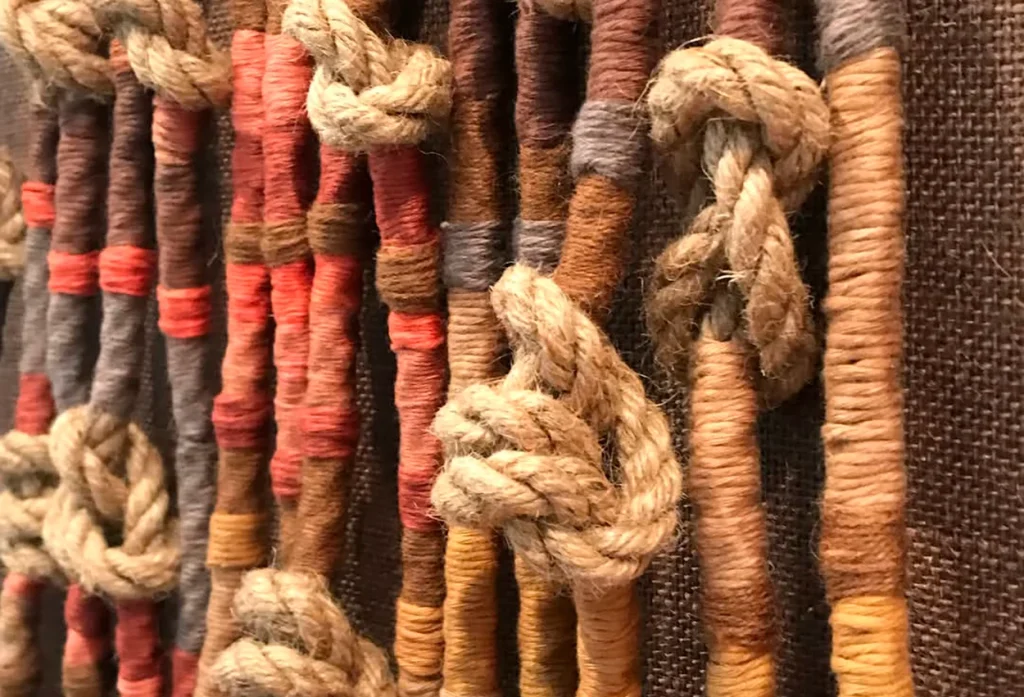
The Incas didn’t have a written language like most other great civilizations. Instead, they used a sophisticated system of knotted strings called quipus (or khipus) to record information. These colorful cords conveyed data related to taxes, population, and even historical events. Trained officials called quipucamayocs could read and interpret them with remarkable accuracy. You can see some ancient quipus in the museum around Peru, like the Inca Museum in Cusco.
2. Roads

The Inca Empire built an extensive network of roads, called the Qhapaq Ñan, stretching over 24,000 miles (40,000 km) across mountains, deserts, and jungles. These roads connected major cities and facilitated communication, trade, and military movement. Many segments still survive today, with the Inca Trail to Machu Picchu being one of the most famous.
3. Machu Picchu: The Lost City
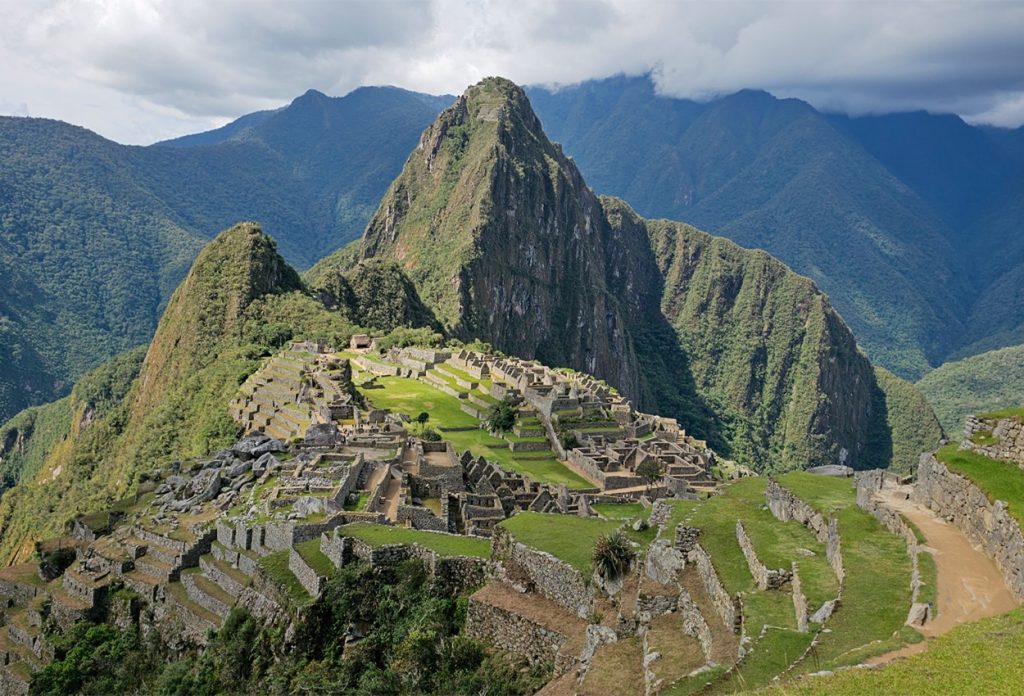
Perhaps the most iconic symbol of the Inca Empire is Machu Picchu, the breathtaking citadel perched high in the Andes. Hidden from the Spanish conquistadors, it was rediscovered by an American professor, Hiram Bingham in 1911. Its purpose remains a mystery—some believe it was a royal estate, a religious site, or even an astronomical observatory.
4. The Sacred Valley of the Incas

A short drive from Cusco you will find the Sacred Valley. The temperate climate and fertile soil were perfect for agriculture for the Inca Empire. The stunning landscapes saw the Inca build many grand cities in the area, like Pisac and Ollantaytambo which you can visit today.
5. No Money
The Incas had no currency. Instead, their economy was based on reciprocal labor and redistribution. Citizens contributed to the empire through work (called mit’a), and in return, the government provided food, shelter, and protection. This unique system fostered strong community ties and reduced poverty.
6. Amazing Engineering
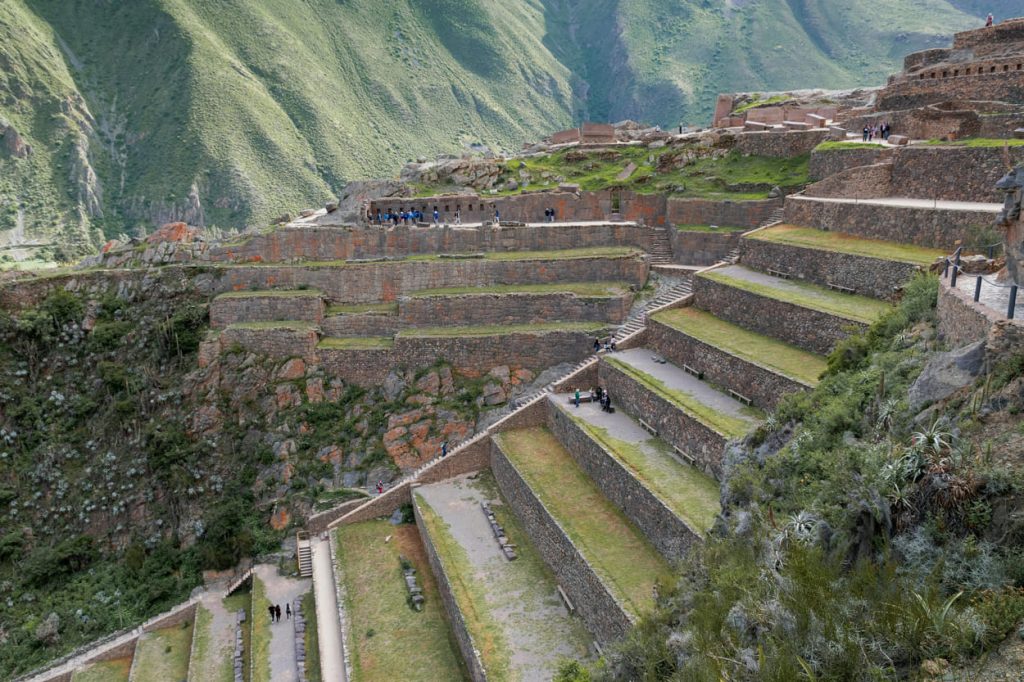
Despite never inventing the wheel or using iron tools, Inca engineers built massive stone structures with astonishing precision. Their technique of fitting stones together without mortar, made buildings incredibly earthquake-resistant—a necessary innovation in a seismic region like the Andes.
7. Advanced Agriculture
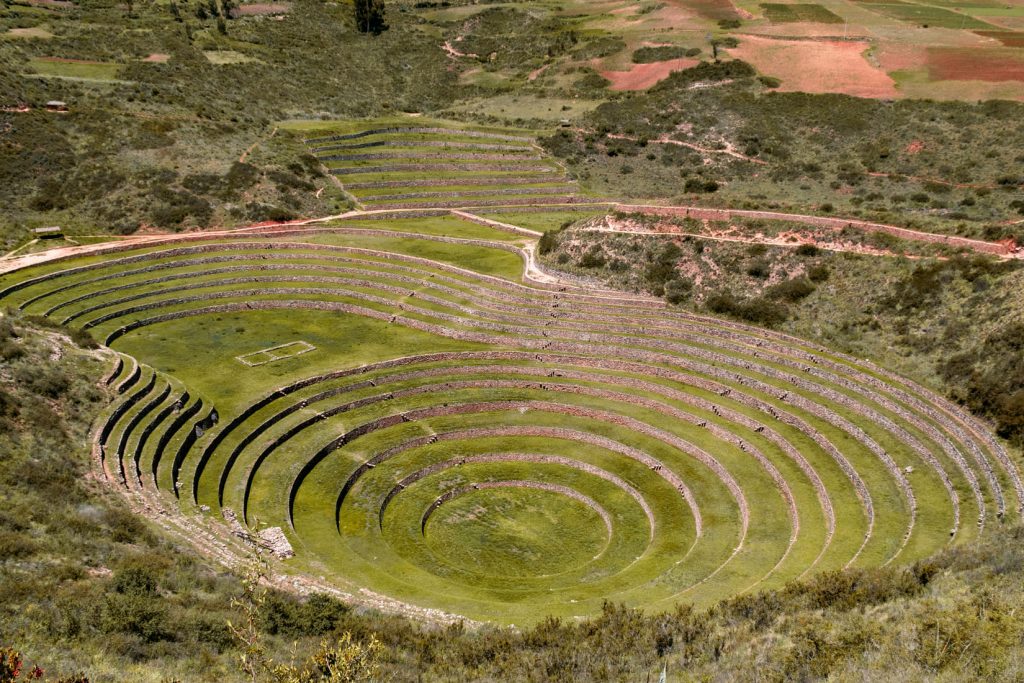
The Incas were master farmers, adapting to difficult mountain terrain by building terraced fields and sophisticated irrigation systems. They cultivated over 70 different crops, including potatoes, quinoa, maize, and coca. They even developed methods of freeze-drying food for storage.
8. Religion
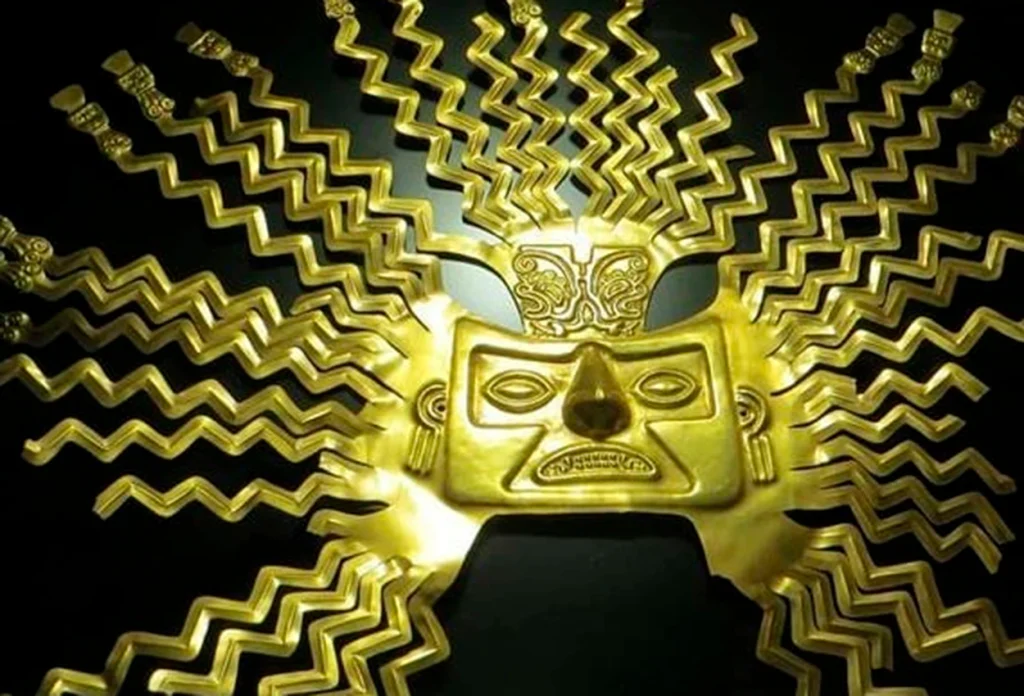
Religion played a central role in Inca life. They worshipped many gods, with the Sun God Inti at the center of their belief system. The Inca King was believed to be a direct descendant of Inti, giving him divine status.
9. Coricancha Temple in Cusco
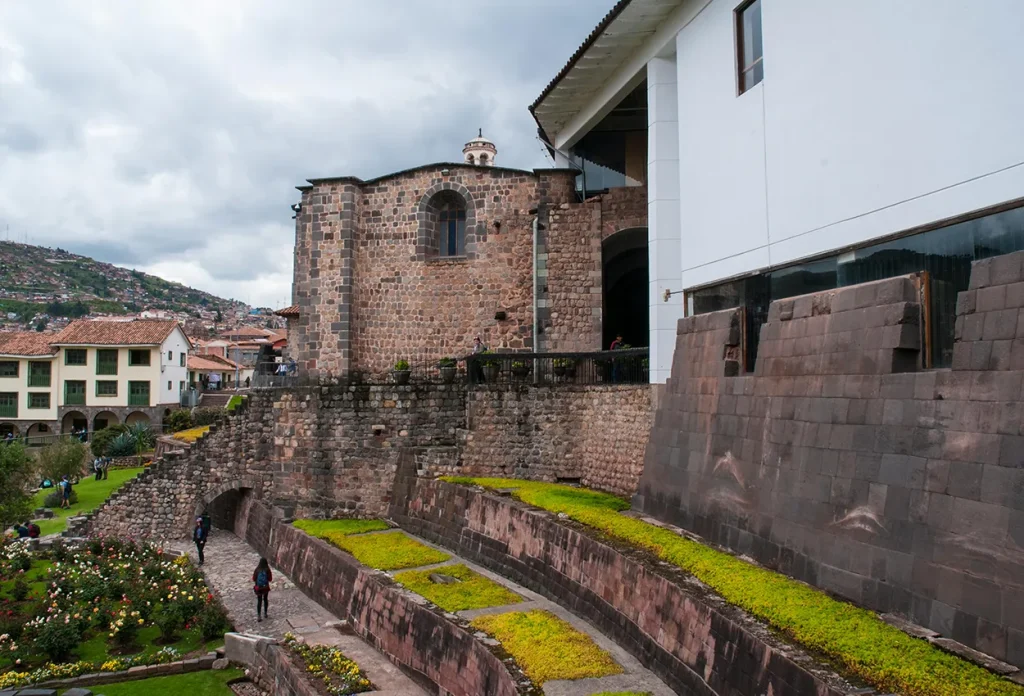
According the Spanish Chronicles when the Spanish arrived into Cusco, they found Coricancha. The temple was covered with gold and silver and was dedicated to the sun god Inti. This they believed was the center of the Inca Empire. The gold was taken and sent back to the King of Spain.
10. The Spanish called them Orejones (long-eared)
It was usual among Inca high-class people, including the Sovereign, to wear gold and silverearrings in the shape of the Sun. The weight of these earrings made the ear lobe longer. This was one of the first things the Europeans noticed when they arrived in Tawantinsuyu.
11. Advanced Cranial Surgeries
They used instruments of gold and silver alloy, cotton, and bandages, including gauze, making small holes in the skull and keeping the area disinfected from contaminants. This indicates advanced knowledge in cranial surgery for the time. further studies even claim that the owners of these skulls survived and lived normal lives until old age.
12. Chasquis, the Inca Messenger System
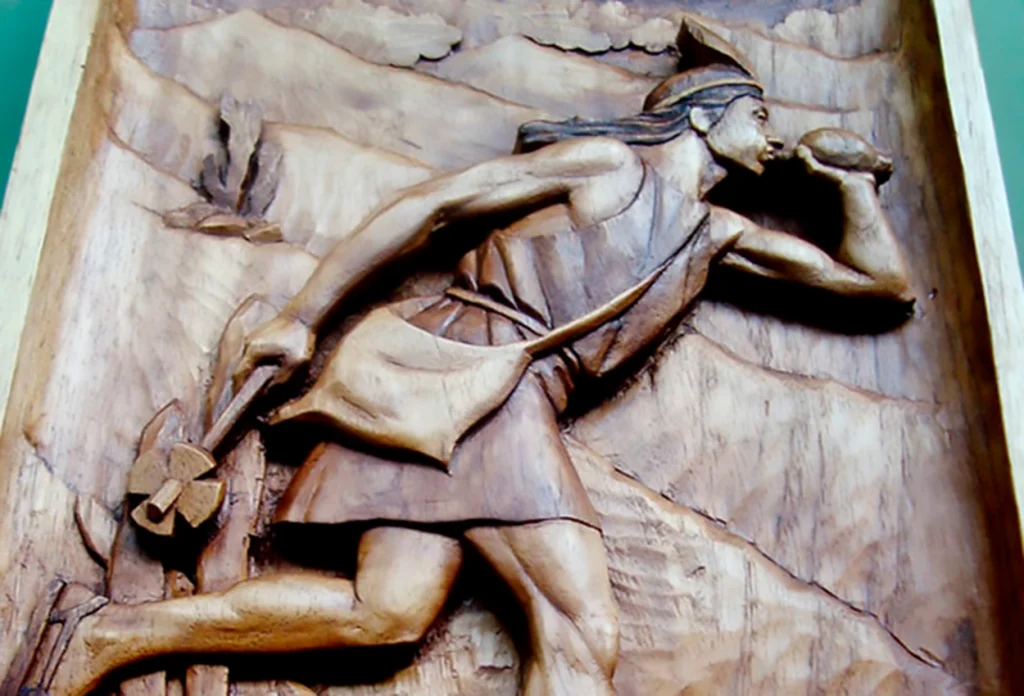
When the first chroniclers saw the Inca sovereign eat fresh fish during the Spanish conquest, they were surprised. How was this possible? With the coast being 700 km away? This was possible because of the unique messenger system of the Inca. The Chasquis were messengers situated at strategic points throughout all Qapac Ñam (Network of Inca paths). Once they received a message, they quickly covered great distances to give it to another Chasqui, who would do the same until they gave the message to the right person. These impressive messengers could go from Cusco to Machu Picchu in less than a day.
13. Incas Majority were Vegetarian
If Cusco was the political and religious capital of Tawantinsuyu, the Sacred Valley was their resting and producing zone. The valley, located to the north of Cusco, had fertile lands, in addition to a good climate and beautiful landscapes. The Incas grew many types of crops. Among them, we can mention corn, quinoa, tomatoes, kiwicha, potatoes, and legumes.
Only on special occasions and a few times during the year could they eat the meat of Cuy or Guinea pig and the Cecina (dried meat).
Of course, we are talking about the diet of the middle class because the upper class could eat meat constantly. They could eat not only Cuy but also Cecina andAlpaca meat for more periods during the year.
The Mysterious Fall of the Empire
The Spanish conquest, led by Francisco Pizarro in 1532, marked the abrupt end of the Inca Empire. Despite their military might and vast territory, internal strife and disease—particularly smallpox—had already weakened the empire. The capture and execution of the last emperor, Atahualpa, marked a tragic turning point in Andean history.
Conclusion
The Inca civilization remains a source of wonder and pride in South America, especially in Peru where its legacy is still vividly present in language, traditions, and architecture. From their monumental constructions to their clever societal systems, the Incas continue to captivate historians and travelers alike with their ingenuity and enduring spirit. Contact Wayna Trekkers for all your Peruvian travel needs.