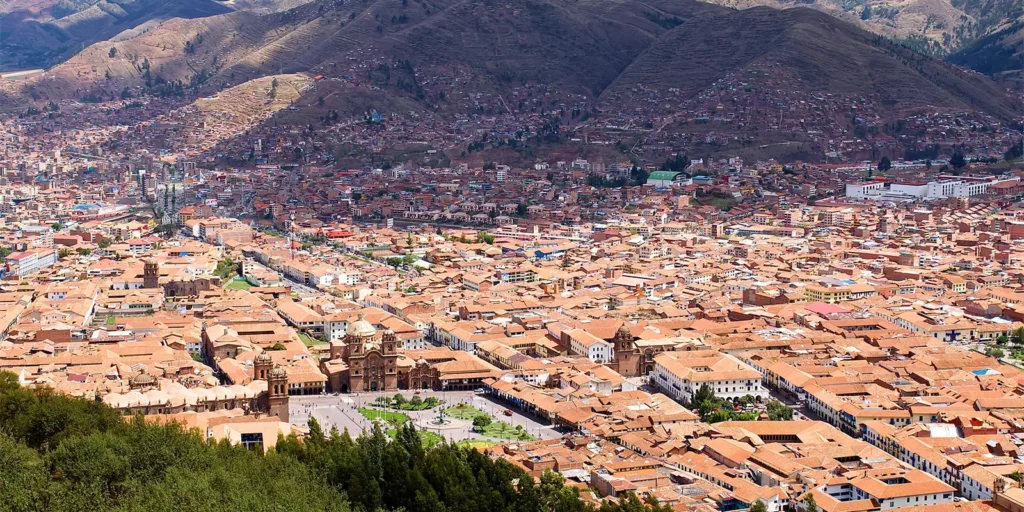
Peru is a country with many different attractions. Most come to see the famous Machu Picchu and the surrounding Andes with their famous trails and trek. But there are also other wonderful sites that most miss when visiting the high Andean country. For example, the Amazon Jungle or the lakeside town of Puno and its fascinating history and culture. Everyone knows about the breathtaking Machu Picchu and the wonderful Cusco area but what most people miss on their tour to Peru is the Nazca region and what is the mysterious Nazca Lines. In this article we will give you the history, the theories, how to see the lines, places to visit and where to stay on your visit to Nazca.
The History of the Nazca Lines
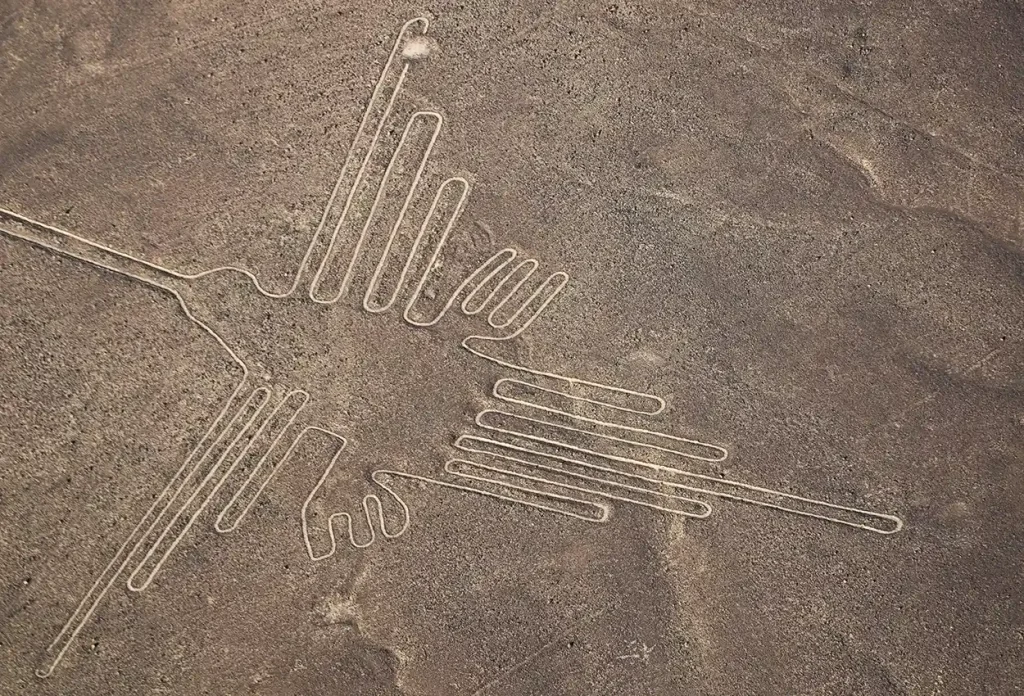
The pre-Inca Nazca’s created theses lines between 200 B.C and 500 A.C in a Peruvian desert south of the current capital of Peru, Lima. They are a group of geoglyphs that are extended over 170 square miles or 450 square kilometers and represent the forms of plants, animals, and humans.
The Nazca people excavated the earth 15 inches deep by removing superficial iron oxide-coated pebbles and showing the clear subsoil sand, this is how they created the lines that bord each figure. The perfectly formed lines remain today because the desert where they are located receives only about 20 minutes of rain per year, it also helps that there are no strong winds that can erase the lines.
It is thought that a foreman climbed a mound several meters above ground level and directed the excavation of each line to shape the figure. All this demonstrates a high knowledge of geography and climatological conditions that these ancient peoples had over their territory.
Theories about the Nazca Lines
The Nazca Lines have inspired many and varied theories, from the practical and spiritual to the weird and wonderful. Here we feature some of the most prominent ideas about why the Nazca people created these massive figures and geoglyphs.
- Astronomical Calendar: Some researchers, including archaeologist Maria Reiche, who dedicated her life to the Nazca lines, suggest that the lines may have served as an astronomical calendar. Certain lines align with the winter solstice, pointing to the Nazca culture’s potential use of the lines for tracking the seasons and agricultural cycles.
- Religious and Ceremonial Significance: Another popular theory is that the lines played a role in religious ceremonies dedicated to deities or natural forces, such as rain and fertility.
- Water and Irrigation Symbols: Since the Nazca region is arid, some scholars believe that the lines and figures symbolized water sources or were connected to rituals meant to invoke rainfall.
- Alien Theories and Ancient Astronauts: theories involving extraterrestrial influence have captured the public’s imagination. This idea, popularized by Swiss author Erich von Däniken, suggests that the lines served as landing strips or communication symbols for aliens. While this theory is widely debunked, it highlights the intrigue the Nazca Lines continue to inspire.
The Nazca Lines’ true purpose may never be fully understood, but each theory offers a glimpse into the values and creativity of the ancient Nazca culture.
How to see the Nazca Lines
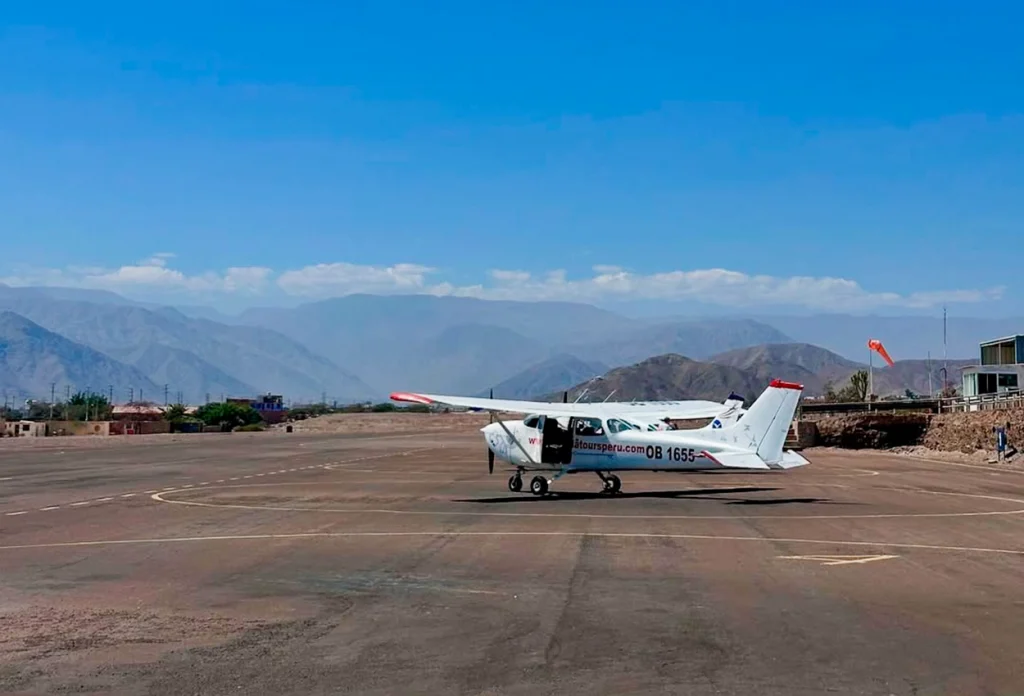
The best way to experience the Nazca Lines is by plane. A scenic flight provides an unparalleled view of the geoglyphs and their scale, allowing you to fully appreciate the designs. Flights typically depart from Nazca and nearby Pisco, with options to fly over the most famous figures, including the hummingbird, monkey, and spider. The flights are generally around half hour to 45 minutes and they are best taken in the morning.
For those who prefer to stay grounded, there are viewing platforms near the Pan-American Highway that offer a closer look at some of the smaller designs. Although the view is limited compared to a flight, the platforms provide an up-close experience and a sense of the effort and scale involved in creating these enormous figures.
What is there to see around Nazca
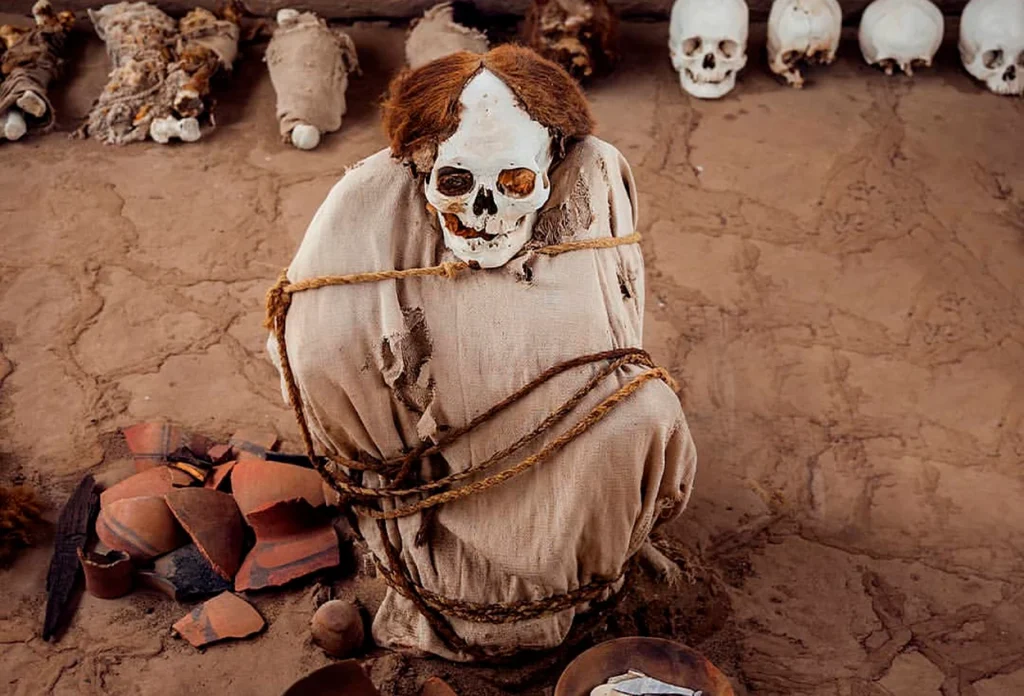
- The Cemetery of Chauchilla, this ancient burial ground with open tombs, displays preserved mummies, textiles and ceramics.
- Cantalloc Aqueducts, these are spiral stone aqueducts built by the Nazca culture to bring water into the desert. Because of the Aqueducts the area is lush and green.
- Cahuachi Pyramids, are an archaeological site with temples, plazas and stepped pyramids once used for rituals. The site is spread across 24 square kilometers.
- Planetarium Maria Reiche, located inside the Hotel Nazca Lines, features evening shows that explain the astronomical theories behind the Nazca Lines and to honor the German researcher Maria Reiche, who dedicated her life to studying the lines.
- Cerro Blanco Dune, this is the worlds highest sand dune located near Nazca. A great spot for hiking, sandboarding and great views over the desert.
Where to stay in Nazca
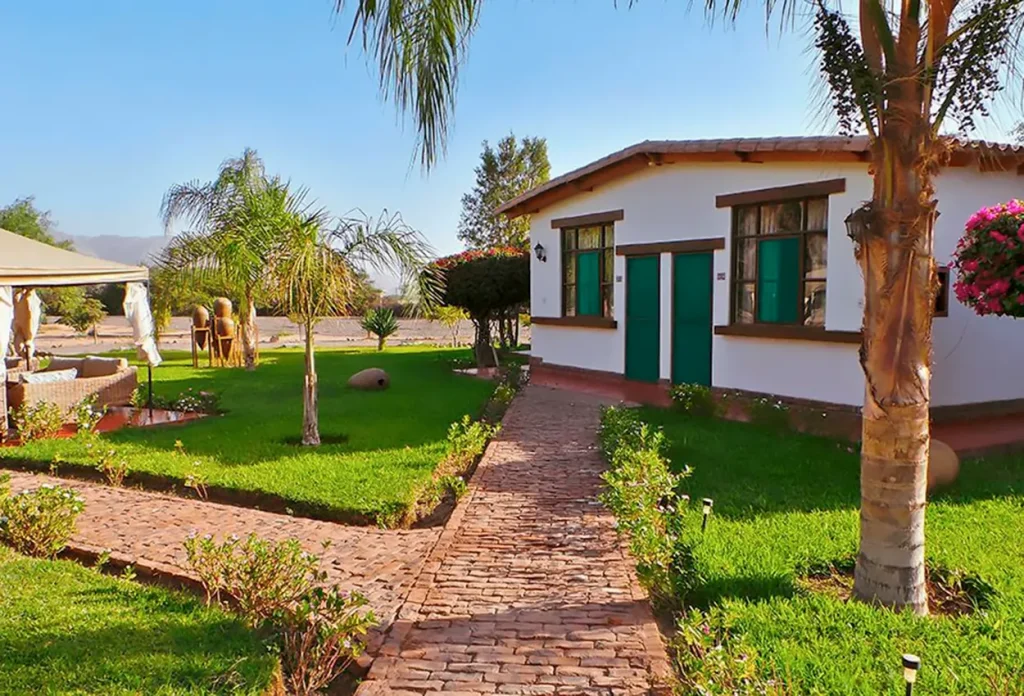
- Luxury
Casa Hacienda Nazca Oasis, a colonial style hacienda with lush gardens, waterfall pool, restaurant and bar. Some rooms have private patios. A great blend of history and comfort.
- Mid-Range
The Hotel Alegria Nazca, colonial style hotel with outdoor pool, restaurant, bar and an excellent in town location. Next to the bus station, the hotel has its own flights office.
- Backpackers
There are many great backpackers available at great rates like the Nasca Lodge, Nanasqa Hostel, Nasca Travel One Hostel, Flying Monkey Hostel and Nasca Trails B&B, all great for those on a budget and offer clean and safe accommodations from Dorm rooms to private and family rooms.
Where to eat in Nazca
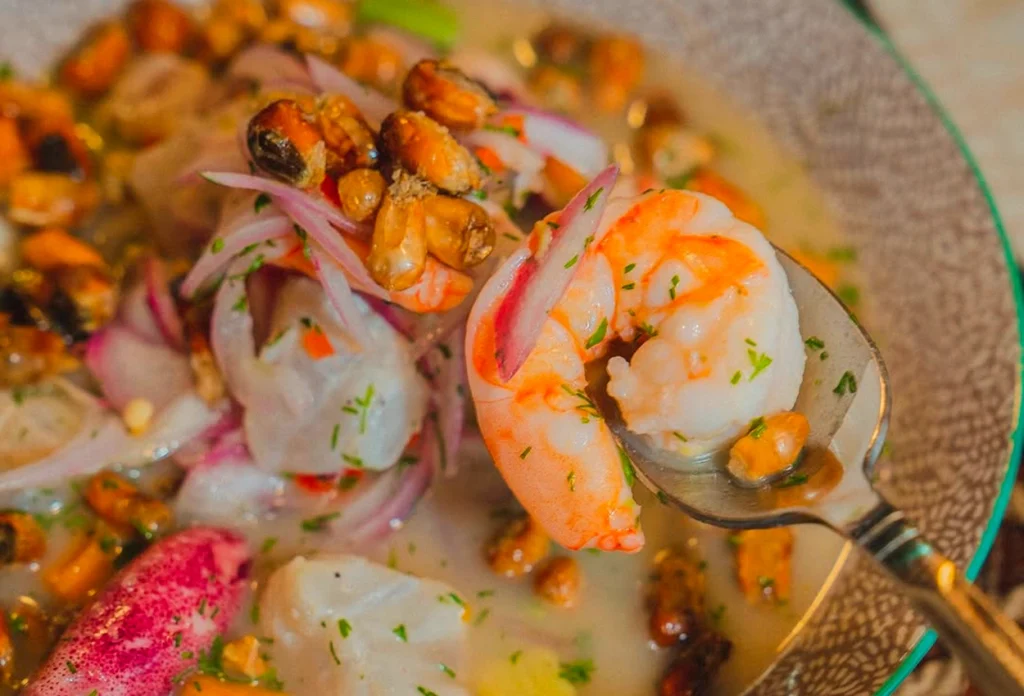
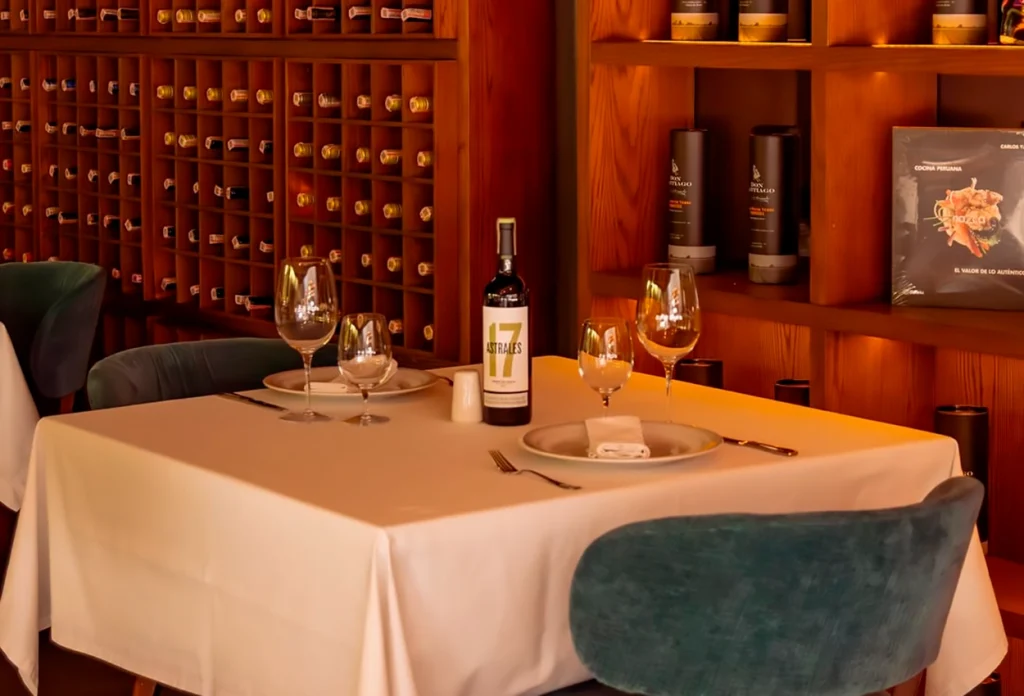
Some recommendations from our guides and staff as to what are the best places to eat are as follows.
- Mamashana Café Restaurant: A bright and inviting café with a menu of Latin American and Peruvian classics. Featuring vegetarian, vegan and gluten free options.
- Restaurante La Encantada: A versatile restaurant serving Peruvian, Chinese, Spanish and International dishes. Outdoor seating with bilingual menus.
- Polleria Rico Pollo: Casual and loved by the locals for its wonderful juicy, flavorful charcoal chicken. They serve large portions and the service is quick.
- El Porton: A great spot for traditional Peruvian criolla dishes like lomo saltado and stews. The restaurant is perfect for both lunch and dinner.
Experience the mysterious Nazca Lines on your next vacation to Peru. The region is full of wonderful history and adventure. With a warm year-round climate, a visit to Nazca is perfect to relax and explore. Contact our travel advisors at Wayna Trekkers for all the information you need for a perfect stay in Nazca, Peru.
Contact our travel experts at Waynatrekkers