Machu Picchu Tickets
How tickets work, when to reserve and what to check before paying.
Read guide →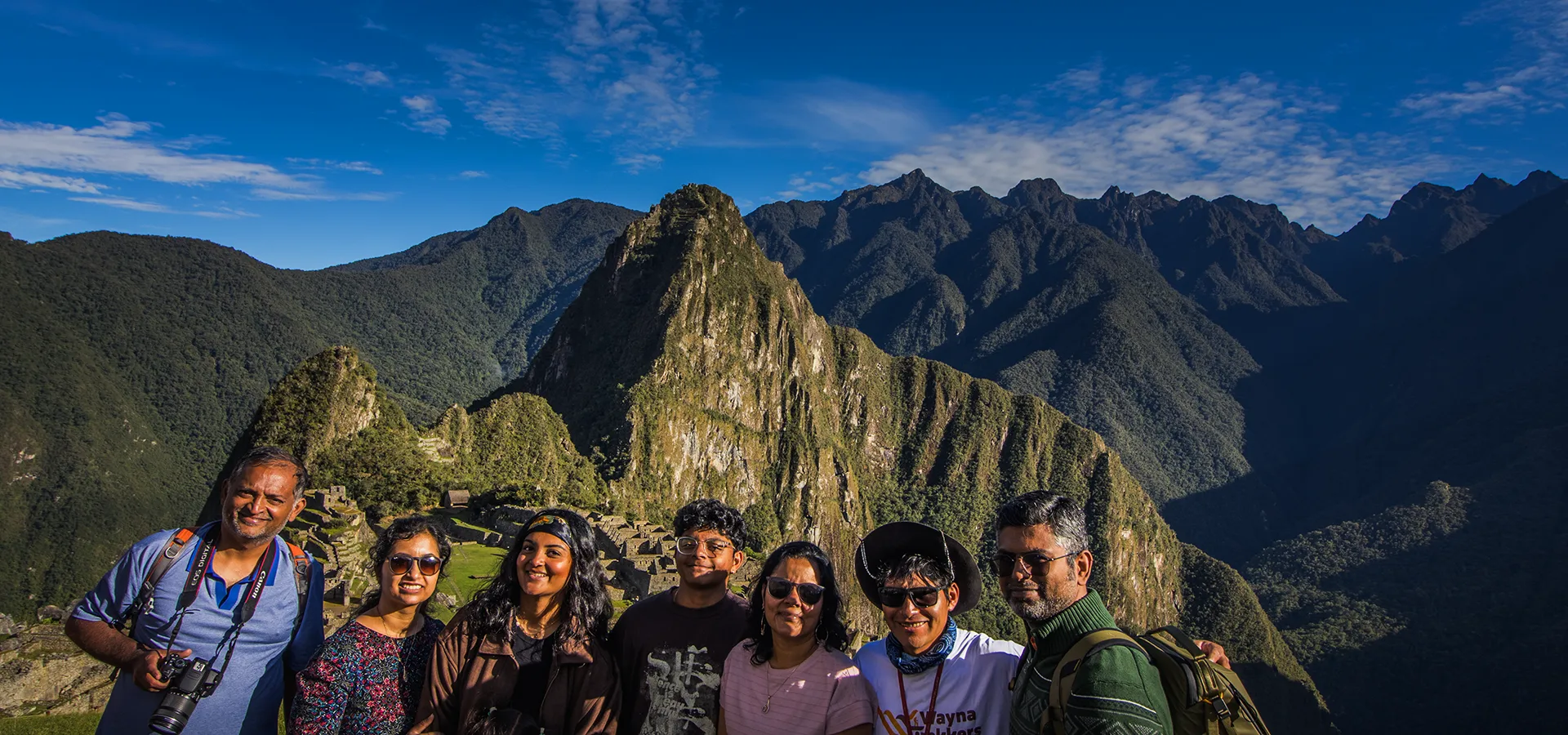
Plan your visit with local insight
Everything you need to plan a thoughtful visit to Peru's most famous Inca site: tickets, circuits, trains, treks, weather, altitude, packing and practical local advice.
A journey into the Andes
Machu Picchu is an Inca city built between Andean peaks and the cloud forest. Its terraces, ceremonial spaces, water channels and precisely fitted stonework reveal a sophisticated relationship between architecture, landscape and belief.
A good visit begins before you arrive. Entry is organized by timed tickets, circuits follow fixed routes, and train and trekking spaces can sell out. Choosing the right route matters because each circuit offers a different experience: panoramic viewpoints, the urban sector, mountain hikes or quieter sections of the sanctuary.

The essentials
Decide when you will be in Cusco and leave enough time to acclimatize before a trek or demanding mountain route.
Choose the experience you value most: the classic panorama, the lower urban sector or an additional mountain hike.
Buy the official timed ticket before arranging non-refundable transport, particularly in popular travel months.
Travel by train, combine the Sacred Valley with Machu Picchu, or arrive on the Inca Trail or an alternative trek.
Match your train, shuttle bus and entry times. Allow realistic connections instead of building a rushed schedule.
Carry only what is permitted, follow your assigned circuit and respect the archaeological site and local community.
Tickets and routes
Machu Picchu currently uses three main circuits divided into multiple routes. They are one-way experiences, so a ticket does not provide unrestricted access to every part of the citadel.
Designed around elevated views and the landscape surrounding the citadel. Some routes include additional walks such as Machu Picchu Mountain, Intipunku or the Inca Bridge when available.
A balanced first-visit experience combining an iconic upper viewpoint with important areas of the archaeological complex. It is usually the first choice for many travelers.
Focuses on the lower part of the Inca city and can be combined with routes such as Huayna Picchu, Huchuy Picchu or the Great Cavern, depending on season and availability.
Routes to Machu Picchu
There is no direct road from Cusco to the citadel. Most visitors combine road transport, train and a shuttle bus, while trekkers arrive on foot.
Most convenient
Travel by train to Aguas Calientes, then take the shuttle bus or walk uphill to the entrance.
Culture and scenery
Explore Pisac, Moray or Ollantaytambo before boarding an afternoon or evening train.
Classic adventure
Enter through Intipunku after hiking the regulated Classic or Short Inca Trail. Permits are limited.
Alternative treks
Combine a multi-day Andean trek with onward transport and a separate timed visit to Machu Picchu.
Weather and crowds
Machu Picchu is open throughout the year, but conditions change between the drier and wetter seasons. The best month depends on whether you value clearer hiking weather, greener scenery or fewer visitors.
Read the seasonal guideGenerally May through September. Expect more stable conditions, cooler mornings and strong demand for entry and trains.
Generally November through March. The landscape is lush, but rain, clouds and transport disruptions are more possible.
April and October can offer a useful balance, though mountain weather always remains variable.
Early hours feel cooler; later entries may be quieter. Visibility cannot be guaranteed at any particular time.
Cusco, the valley or Aguas Calientes
Cusco offers the widest choice of hotels and restaurants, but reaching Machu Picchu from the city takes time. Ollantaytambo is practical for early trains and sits at a lower elevation. Aguas Calientes gives you the simplest access to an early entry slot.
Day 1: Arrive in Cusco and rest.
Day 2: Explore Cusco at an easy pace.
Day 3: Visit the Sacred Valley and stay in Ollantaytambo.
Day 4: Train to Aguas Calientes and visit Machu Picchu.
Day 5: Return to Cusco or continue your Peru journey.
Pack light
Weather can shift quickly between sun, cloud and rain. Bring a compact daypack and confirm the current visitor rules before departure.
Protect the sanctuary
Stay on the assigned route, follow official instructions, avoid touching or climbing archaeological structures, take all waste with you and treat guides, porters, railway staff and local residents with respect. Responsible travel protects both the site and the communities that make each visit possible.
Continue planning
How tickets work, when to reserve and what to check before paying.
Read guide →Compare the panoramic, classic and lower-city experiences.
Read guide →Understand seasons, rainfall, crowds and hiking conditions.
Read guide →Compare train journeys, treks and Sacred Valley connections.
Read guide →A practical list for the citadel, trains and changing weather.
Read guide →Elevation, acclimatization and how it compares with Cusco.
Read guide →Frequently asked questions
Travel with local specialists
Explore carefully designed tours or ask our team to build an itinerary around your dates, pace and preferred travel style.