Historic Center
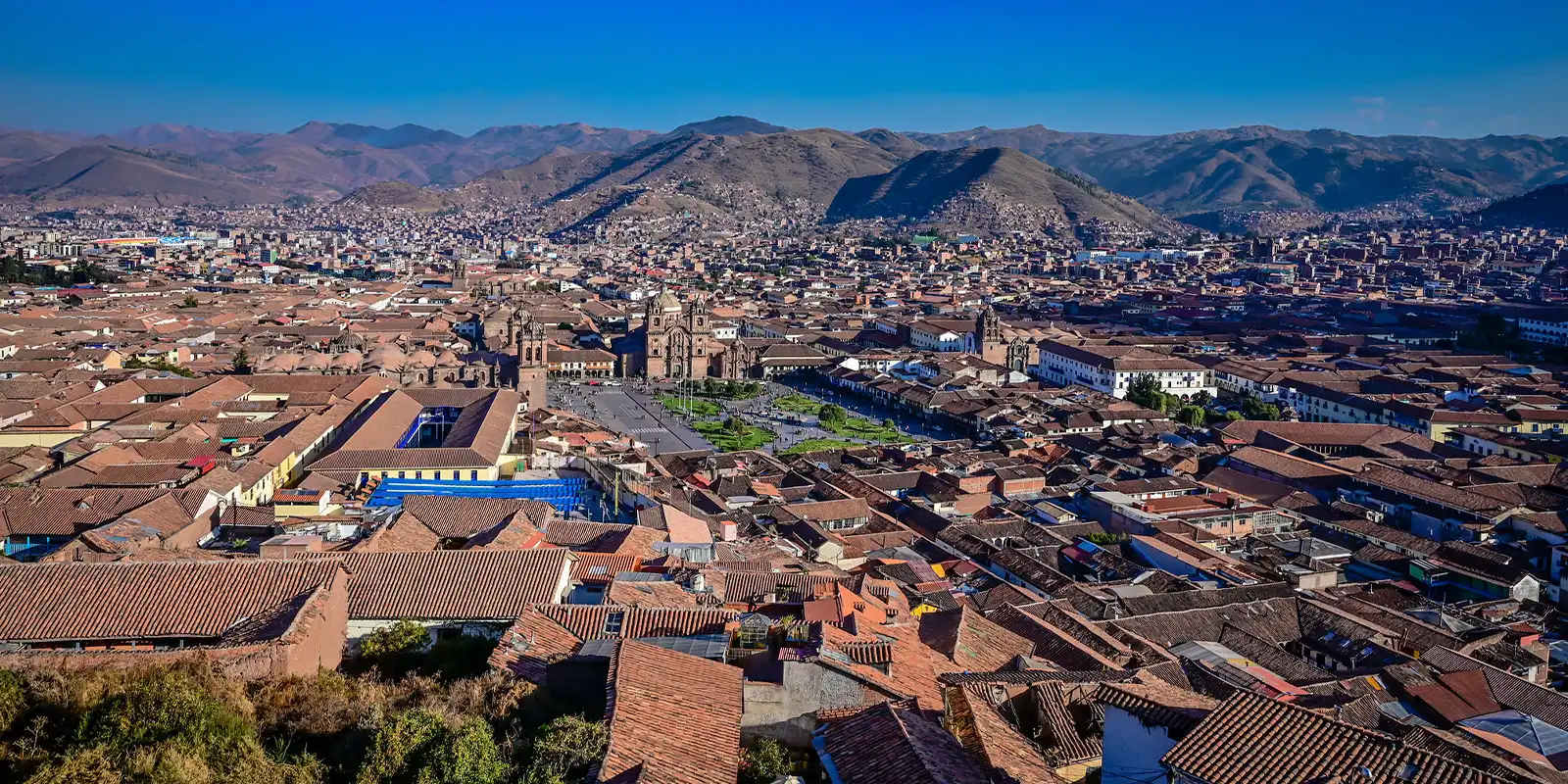
Walk through the Plaza de Armas, colonial arcades, churches and streets built over the former Inca capital.
Local advice for the heart of the Andes
Plan your time in Peru's historic Andean capital with practical guidance on altitude, weather, neighborhoods, archaeological sites, the Sacred Valley, trekking and journeys to Machu Picchu.
Ancient capital, living city
Cusco is often treated as the departure point for Machu Picchu, but the city is a destination in its own right. Inca stone foundations support colonial buildings, Quechua traditions remain part of daily life, and museums, markets and archaeological sites reveal different layers of Andean history.
Spending several days here also creates a more comfortable journey. You can explore at a slower pace while adapting to the altitude, then continue into the Sacred Valley, begin a trek or travel onward to Machu Picchu.
Build a balanced visit
Keep your first day light, drink water and postpone strenuous hikes until you know how your body responds.
Compare drier hiking months with the greener, quieter wet season and book around your priorities.
Avoid rushing every attraction from one hotel. A night in the Sacred Valley can improve both pace and connections.
Machu Picchu tickets, Inca Trail permits and popular trains should be organized before ordinary city activities.
Weather, altitude and transport can affect plans. A free day gives your itinerary useful breathing room.
Go beyond photo stops by learning how Inca, colonial and contemporary Andean life connect.
History, neighborhoods and landscapes
Mix major landmarks with slower experiences. Cusco is best understood on foot, with enough time to notice its streets, courtyards, markets and changing views.
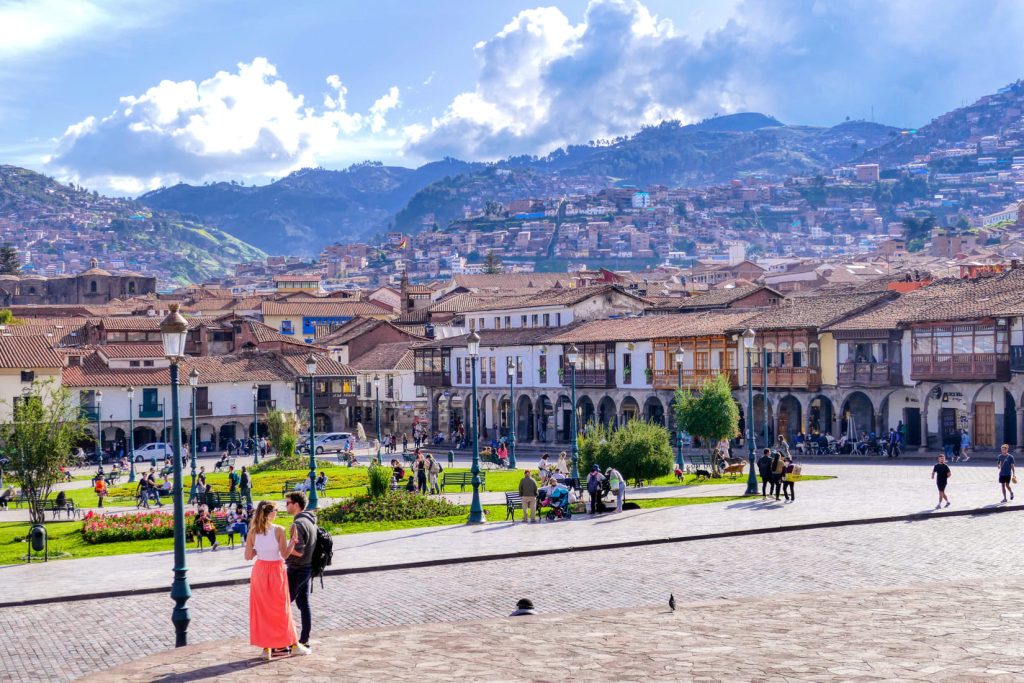
Walk through the Plaza de Armas, colonial arcades, churches and streets built over the former Inca capital.
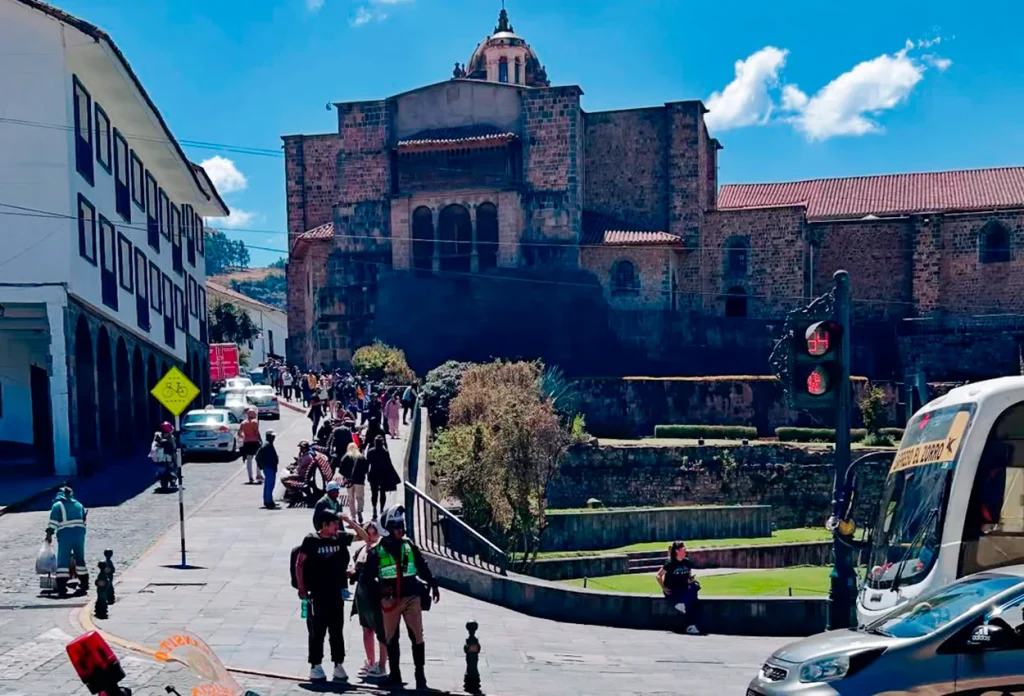
See the meeting of Inca stonework and the Santo Domingo complex at one of Cusco’s most important historic sites.
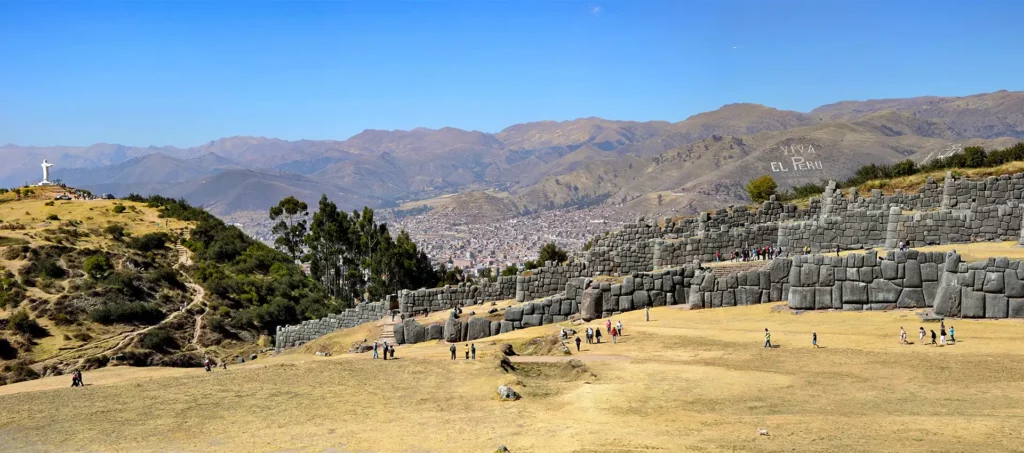
Explore monumental stone walls above the city and understand the scale and precision of Inca engineering.
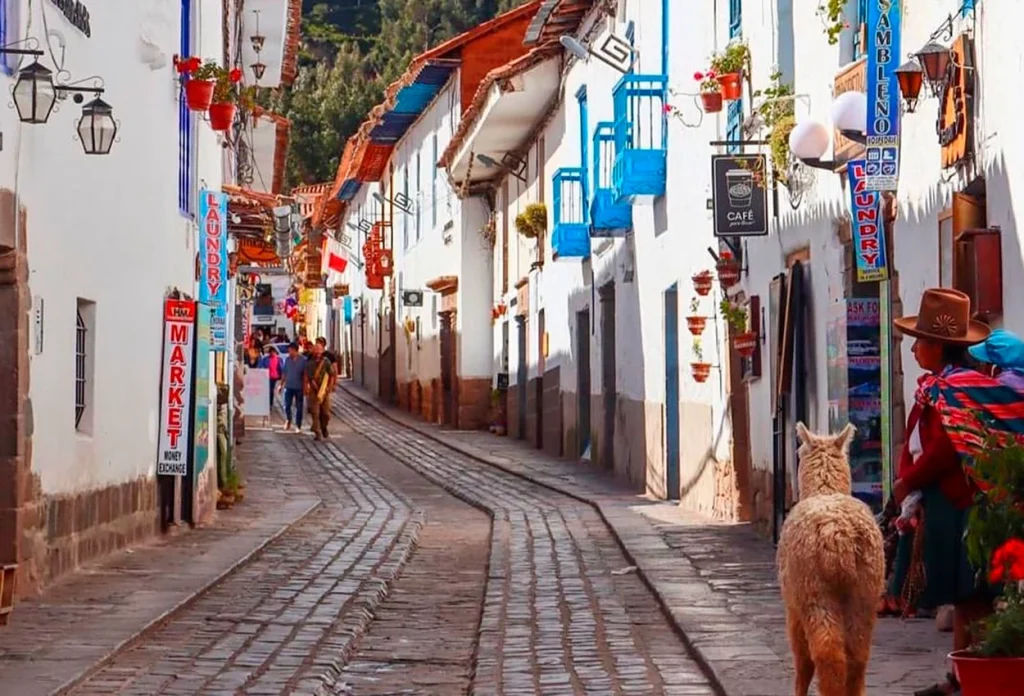
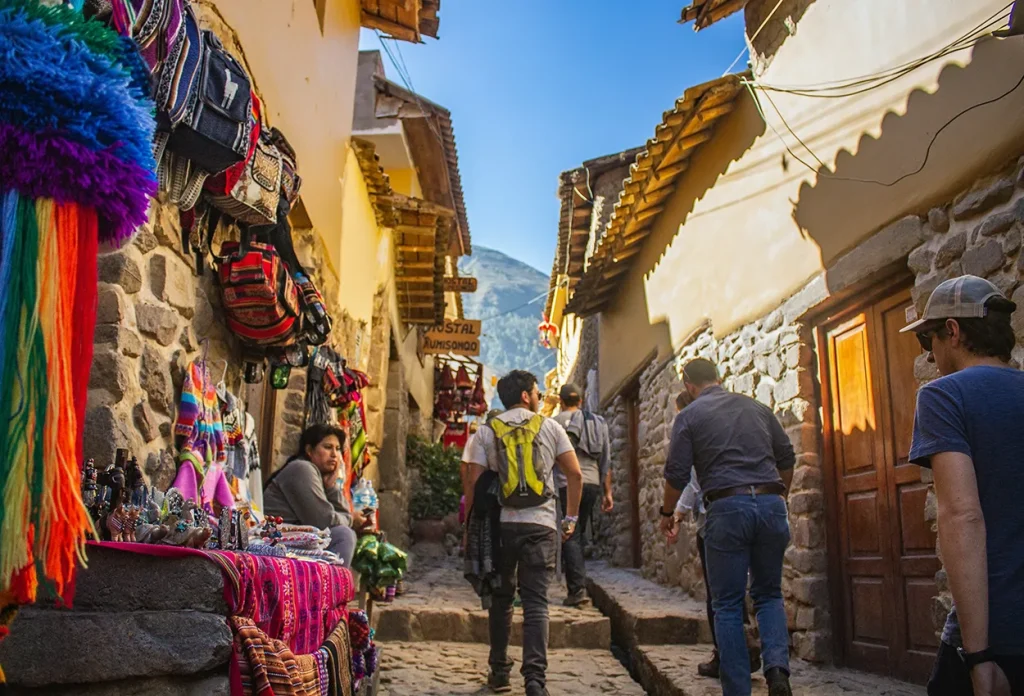
Climb into a traditional artisan neighborhood known for narrow lanes, workshops and elevated city views.
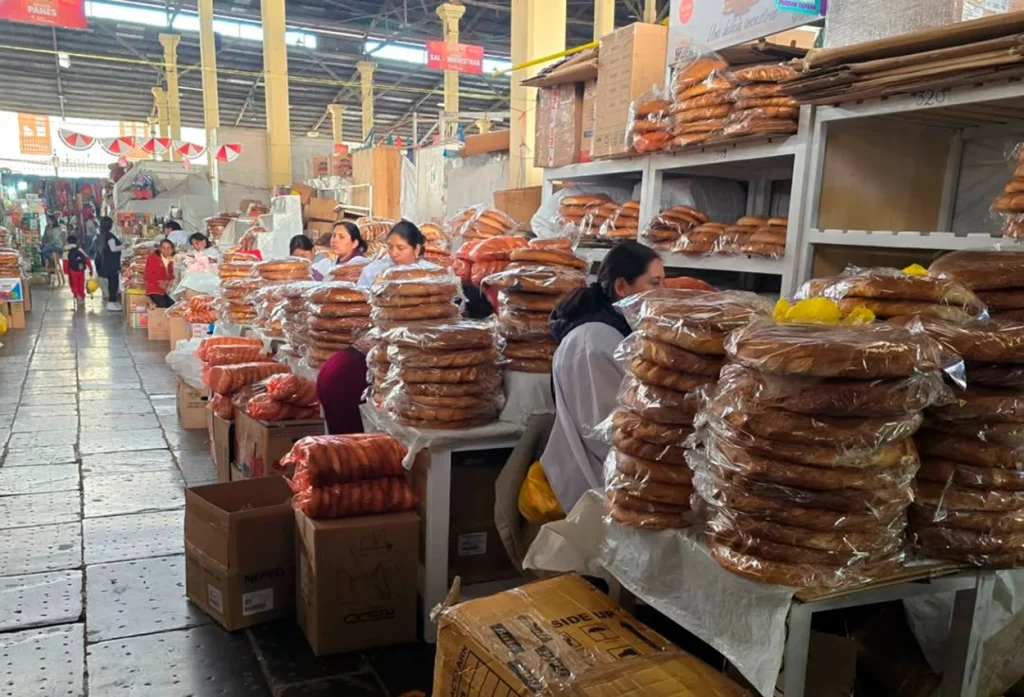
Experience a busy local market with produce, meals, herbs, textiles and everyday life under one roof.
Combine Sacsayhuaman with Qenqo, Puka Pukara and Tambomachay on the hills outside the center.
Beyond the city
The Sacred Valley sits lower than Cusco and brings together Inca sites, living towns, farming landscapes and important transport connections to Machu Picchu.
Pisac is known for terraces and its market; Moray and Maras reveal agricultural experimentation and traditional salt production; Ollantaytambo combines an archaeological complex, an inhabited Inca town and a major train station.
Walk through the Andes
The Cusco region offers regulated routes to Machu Picchu, high-mountain circuits, community-based journeys and accessible day hikes. Choose according to altitude, season, fitness and the kind of experience you want—not only the most famous name.
Explore the trekking guideHistoric stone paths and archaeological sites with limited permits and a regulated operator system.
A dramatic high-altitude route passing mountain and cloud-forest landscapes before Machu Picchu.
A quieter cultural route through Andean communities, valleys, lakes and high passes.
High-elevation adventures including Rainbow Mountain, Humantay Lake and multi-day circuits.
Arrive gently
Cusco sits at approximately 3,399 meters (11,152 feet). Even fit travelers can feel headache, fatigue, shortness of breath or disrupted sleep after arriving from a lower elevation.
Rest, hydrate, eat lightly and avoid intense exercise and alcohol at first. Consider beginning in the lower Sacred Valley. Seek medical help if symptoms become severe, worsen or do not improve.
Read the altitude guideSeasons in the Andes
There is no single perfect month. Choose based on hiking conditions, green scenery, festivals, crowds and availability.
Drier weather and colder nights. Popular for trekking and therefore busier.
Wetter, greener and generally quieter, with variable conditions.
A major cultural month in Cusco, including Inti Raymi and increased demand.
Choose your base
Convenient for first-time visitors who want to walk to major landmarks, restaurants and tour departures.
Atmospheric lanes, artisan identity and views, but steep streets can be tiring during acclimatization.
A lively local area near the market, with practical access to the center and a broader range of prices.
A lower-altitude alternative suited to a slower arrival, countryside stays and Machu Picchu connections.
A living Andean culture
Cusco’s food reflects Andean ingredients and generations of cultural exchange. Try local potatoes, corn, quinoa, soups and regional dishes in markets, traditional picanterías and contemporary restaurants.
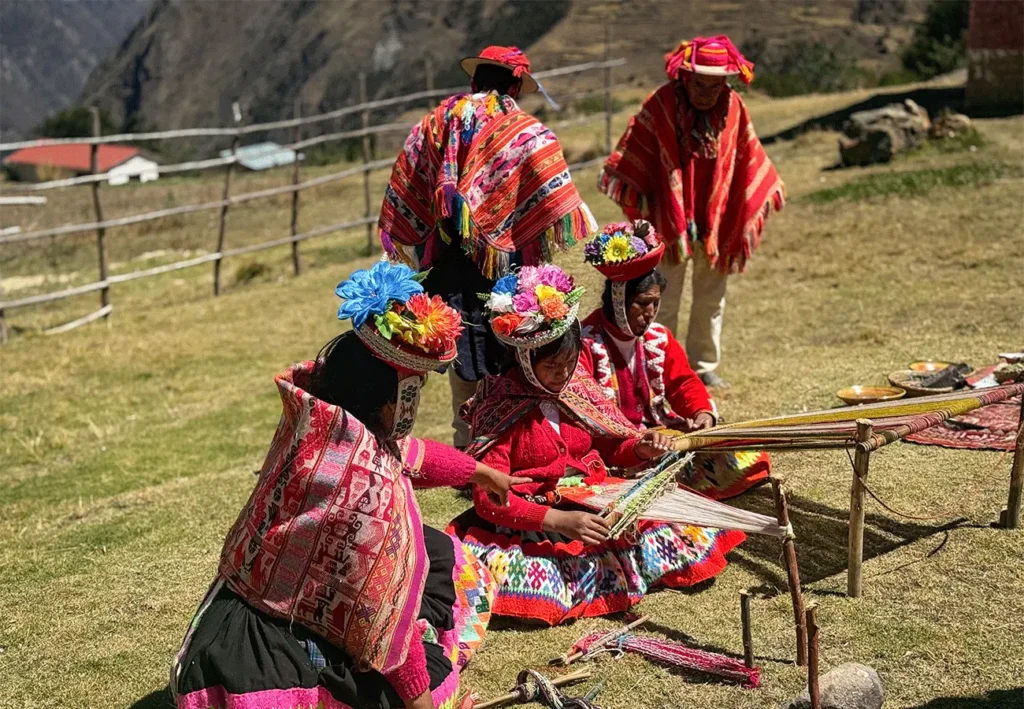
Ask before photographing people, buy directly from artisans when possible, avoid treating living communities as displays and learn a few Spanish or Quechua greetings. Small choices make travel more respectful and meaningful.
Continue planning
Towns, archaeological sites, transport and suggested routes.
Read guide →Compare the Inca Trail, Salkantay, Lares, Ausangate and day hikes.
Read guide →Weather, crowds, festivals and month-by-month planning.
Read guide →Practical acclimatization advice and regional elevations.
Read guide →Historic sites, neighborhoods, museums, markets and viewpoints.
Read guide →Organize two, three, five or seven days around the region.
Read guide →Compare the Historic Center, San Blas and quieter alternatives.
Read guide →What to bring for altitude, changing weather and day trips.
Read guide →Tickets, circuits, trains, treks and practical visitor advice.
Read guide →Frequently asked questions
Designed around your pace
Combine the city, Sacred Valley, Machu Picchu and trekking in a carefully planned journey with experienced local support.