Which Trek in Peru Should You Choose? A Complete Guide
 AuthorJunior Vilca H.
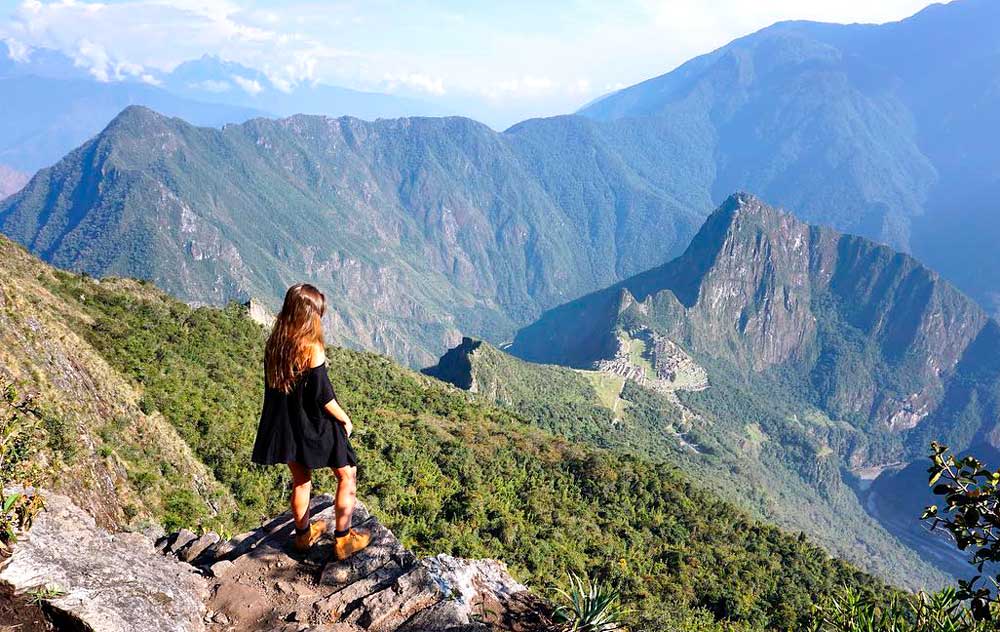
Peru is one of the world’s most rewarding hiking destinations. Its trails cross high mountain passes, traditional Andean communities, cloud forests, deep canyons and archaeological sites that cannot always be reached by road.
However, choosing a trek in Peru can be confusing. The Classic Inca Trail may be the best-known option, but it is not necessarily the right hike for every traveler. Some routes focus on Inca history, while others offer remote mountain scenery, cultural encounters or physically demanding adventures.
The right choice depends on several factors:
- Your physical condition
- Your hiking experience
- The number of days available
- Your tolerance for altitude
- The type of scenery you prefer
- Whether visiting Machu Picchu is essential
- Your preferred level of comfort
- How far in advance you are planning
This guide compares the most popular trekking routes in Peru and explains who each trail is best suited for.
Why Choose Peru for a Trekking Adventure?
Peru’s geography creates an extraordinary variety of landscapes. The country includes coastal deserts, the Andes and the Amazon rainforest. In the highlands, hikers can move between dry mountain valleys, glacial lakes, grasslands, cloud forests and tropical vegetation within a single journey.
Peru’s highest mountain, Huascarán, reaches 6,768 meters above sea level, illustrating the scale of the country’s Andean terrain.
Trekking in Peru is also about more than scenery. Many routes follow sections of ancient paths, pass archaeological remains or connect communities that continue to preserve Andean languages, farming traditions, textiles and spiritual practices.
For many travelers, a trek becomes the most memorable part of their trip because it combines physical effort, nature, culture and history.
Quick Comparison of the Best Treks in Peru
| Trek | Typical duration | Difficulty | Main attraction | Reaches Machu Picchu? |
|---|---|---|---|---|
| Classic Inca Trail | 4 days | Moderate to challenging | Inca ruins and original stone paths | Yes |
| Short Inca Trail | 1 or 2 days | Moderate | Sun Gate and Wiñay Wayna | Yes |
| Salkantay Trek | 4–5 days | Challenging | Mountains and changing ecosystems | Usually |
| Lares Trek | 3–4 days | Moderate to challenging | Communities and Andean culture | Usually by train |
| Choquequirao Trek | 4–8 days | Challenging to very challenging | Remote archaeological site | Not normally |
| Ausangate Trek | 5–7 days | Very challenging | Glaciers, lakes and high passes | No |
| Rainbow Mountain Trek | 1 day | Moderate but high-altitude | Colorful mountain landscape | No |
| Santa Cruz Trek | 4 days | Moderate to challenging | Cordillera Blanca scenery | No |
| Colca Canyon Trek | 2–3 days | Moderate to challenging | Canyon landscapes | No |
| Huchuy Qosqo Trek | 1–2 days | Moderate | Short cultural trek near Cusco | No |
The durations in this table are general references. Itineraries can vary depending on the operator, starting point, camping style and transportation arrangements.
1. Classic Inca Trail: Best for History and the Traditional Machu Picchu Arrival
The Classic Inca Trail is the most famous trek in Peru. The usual four-day route follows part of the historic Inca road system through valleys, mountain passes, cloud forest and archaeological sites.
The experience is not only about reaching Machu Picchu. Hikers encounter several Inca sites along the route, including places that cannot be visited by travelers arriving by train.
The final approach traditionally brings hikers toward Machu Picchu through Intipunku, or the Sun Gate. For many travelers, this makes the journey feel more meaningful than simply arriving by bus.
Who should choose the Classic Inca Trail?
It is a strong choice for travelers who:
- Want a combination of history, nature and hiking
- Consider Machu Picchu the main objective
- Enjoy camping
- Can handle several consecutive days of walking
- Are prepared for steep ascents and descents
- Can reserve well in advance
Main challenges
The trail includes long stone staircases and a demanding high pass. The altitude, variable weather and repeated descents can be difficult for hikers with knee problems or limited trekking experience.
Access to the Inca Trail is regulated. Travelers should not assume that spaces will be available after arriving in Peru. Machu Picchu entrance tickets are also managed through Peru’s official cultural ticketing system.
Best for
First-time visitors who want Peru’s most iconic trekking experience and are comfortable with a moderately challenging four-day hike.
2. Short Inca Trail: Best for Limited Time
The Short Inca Trail is a practical alternative for travelers who want to hike into the Machu Picchu area but do not have four days available.
Most itineraries begin near Kilometer 104 of the railway. The route climbs toward Wiñay Wayna, one of the most impressive archaeological sites on the Inca Trail, before continuing toward the Sun Gate.
The hike can be completed as a long one-day experience or combined with an overnight stay in Machu Picchu Pueblo and a visit to the archaeological site the following morning.
Who should choose the Short Inca Trail?
It works well for travelers who:
- Have limited vacation time
- Prefer not to camp
- Want to see Wiñay Wayna
- Want to enter the Machu Picchu area on foot
- Are reasonably active but do not want a multiday trek
- Are traveling with teenagers or older family members who remain physically active
Main challenges
Although shorter than the Classic Inca Trail, it should not be considered an effortless walk. The route contains a sustained ascent, stone stairs and warm, humid sections.
Travelers also need the correct Machu Picchu entrance arrangements. The official visiting system currently divides Machu Picchu into three main circuits containing several specific routes, so the included circuit should be checked before booking.
Best for
Travelers who want an authentic Inca Trail experience without camping or completing the full four-day route.
3. Salkantay Trek: Best for Dramatic and Varied Scenery
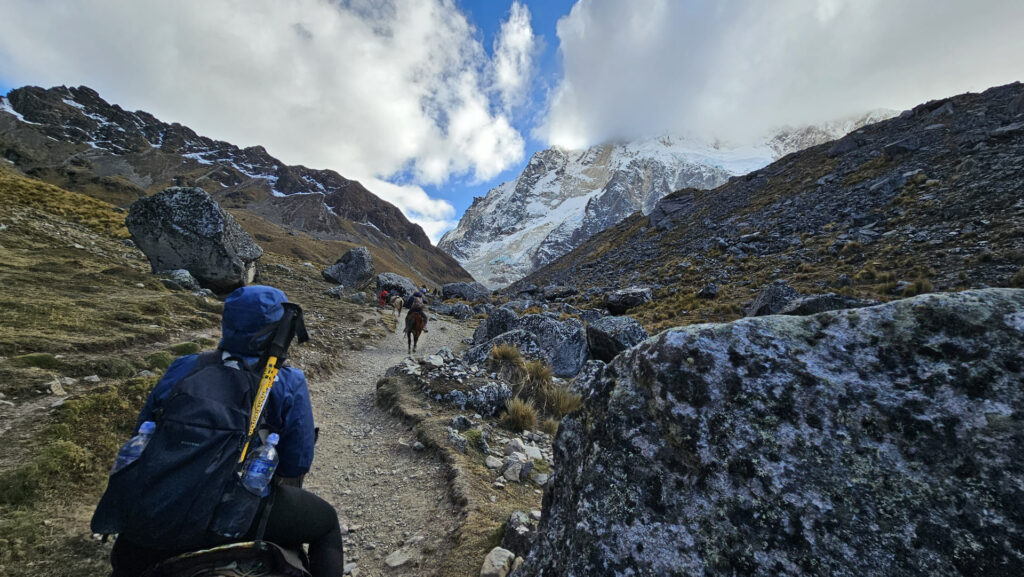
The Salkantay Trek is one of the most popular alternatives to the Classic Inca Trail. Instead of focusing primarily on archaeological remains, it offers dramatic natural scenery.
The route normally passes close to the snow-covered Salkantay mountain before descending toward warmer valleys and cloud forest. The contrast between high-altitude scenery and tropical vegetation is one of the trek’s main attractions.
Many itineraries eventually connect with transportation to Machu Picchu Pueblo, allowing travelers to visit Machu Picchu at the end.
Who should choose the Salkantay Trek?
Choose this route when you:
- Prefer mountains and landscapes over archaeological sites
- Want an alternative to the Classic Inca Trail
- Are comfortable with cold nights
- Can handle a high mountain pass
- Want a physically rewarding experience
- Prefer more itinerary and accommodation options
Main challenges
The highest section can be cold, windy and physically demanding. Weather conditions may change quickly, and the long descent after the mountain pass can be tiring.
Some Salkantay itineraries use basic camps, while others include permanent campsites, cabins or more comfortable lodges. Travelers should compare what is actually included rather than selecting a trek based only on price.
Best for
Active travelers who want impressive mountain scenery and still plan to visit Machu Picchu.
4. Lares Trek: Best for Culture and Local Communities
The Lares region offers several trekking routes rather than one fixed itinerary. These trails cross mountain valleys and pass small communities where Quechua remains widely spoken and traditional agriculture and weaving continue to play an important role.
Compared with the Inca Trail, Lares generally includes fewer archaeological sites. Its strength is the opportunity to experience the living culture of the Andes.
Most Lares itineraries do not arrive at Machu Picchu on foot. Instead, hikers usually finish near the Sacred Valley and continue by road and train.
Who should choose the Lares Trek?
The Lares Trek may be ideal when you:
- Are interested in local culture
- Want to see traditional communities
- Prefer less crowded trails
- Enjoy mountain scenery without needing a famous route
- Want to combine trekking with a train journey to Machu Picchu
- Are looking for a flexible itinerary
Responsible travel considerations
Community visits should be respectful and should not turn local people into attractions. A responsible tour should explain when photography is appropriate, support local services fairly and avoid distributing sweets or money without community guidance.
Main challenges
Lares routes can cross high mountain passes, and nights may be very cold. The level of difficulty varies considerably, so travelers should ask for the highest altitude, daily distance and elevation gain of the specific itinerary.
Best for
Travelers who value cultural interaction and quieter landscapes more than reaching Machu Picchu directly on foot.
5. Choquequirao Trek: Best for Remote Archaeology
Choquequirao is a large Inca archaeological complex located above the Apurímac River canyon. Reaching it requires a demanding journey involving long descents and steep climbs.
The site receives fewer visitors than Machu Picchu, partly because access is more difficult. This gives Choquequirao a remote and adventurous atmosphere.
Some itineraries visit Choquequirao and return by a similar route. Longer versions continue through the mountains toward the Machu Picchu area.
Who should choose the Choquequirao Trek?
Consider Choquequirao when you:
- Have previous multiday hiking experience
- Want a quieter archaeological destination
- Enjoy challenging climbs
- Have at least four or five days available
- Prefer remote routes over famous attractions
- Are comfortable with basic camping conditions
Main challenges
The difficulty comes from the steep elevation changes rather than extreme technical terrain. Hikers often descend deeply into a canyon and then climb for several hours on exposed slopes.
Heat can also become a factor in lower parts of the canyon, while higher camps may be cooler.
Best for
Experienced hikers seeking a demanding route, remote ruins and fewer people.
6. Ausangate Trek: Best for High-Altitude Wilderness
Ausangate is among Peru’s most spectacular high-altitude trekking regions. The landscape includes glaciers, turquoise lakes, broad valleys, grazing alpacas and several demanding mountain passes.
The route does not naturally connect with Machu Picchu. It should be viewed as a separate mountain expedition rather than an alternative way to reach the famous archaeological site.
Who should choose the Ausangate Trek?
It is best suited to travelers who:
- Have previous high-altitude hiking experience
- Want remote wilderness
- Are comfortable with cold camping
- Prefer landscapes over archaeological sites
- Have trained for consecutive days of demanding hiking
- Are prepared for limited facilities
Main challenges
Ausangate is not the best first trek immediately after arriving in Cusco. The high camps and mountain passes require proper acclimatization.
Cold, wind, snow or hail may occur even outside the wettest months. Travelers should carry appropriate clothing and use an experienced guide and support team.
Best for
Well-acclimatized and experienced hikers looking for one of Peru’s strongest mountain adventures.
7. Rainbow Mountain: Best for a One-Day High-Altitude Experience
Rainbow Mountain, also known as Vinicunca, is commonly visited on a full-day excursion from Cusco.
The walking distance is shorter than on a multiday trek, but the altitude makes the experience more demanding than many visitors expect. A short high-altitude trail can feel harder than a longer walk at a lower elevation.
Who should choose Rainbow Mountain?
It may be suitable for travelers who:
- Have only one free day
- Want a distinctive mountain landscape
- Have already acclimatized
- Do not want to camp
- Can manage a gradual but high-altitude walk
Main challenges
Tours often leave Cusco very early. Cold temperatures, wind, sun exposure and altitude can affect visitors.
The route can also become busy. Travelers looking for more solitude may prefer alternative colorful mountain routes, although these can involve longer transportation or hiking times.
Best for
Acclimatized travelers seeking a short scenic excursion rather than a full trekking expedition.
8. Santa Cruz Trek: Best for the Cordillera Blanca
The Santa Cruz Trek is located in the Cordillera Blanca near Huaraz. It offers a completely different experience from trekking around Cusco.
The route passes glacial valleys, turquoise lakes and snow-covered peaks. It is often considered one of the most accessible multiday routes in the Huascarán region, although it still reaches significant altitude.
Who should choose the Santa Cruz Trek?
Choose it when you:
- Want classic mountain scenery
- Plan to visit northern or central Peru
- Prefer glaciers and alpine landscapes
- Do not need to include Machu Picchu
- Want a multiday trek of moderate length
- Can spend time acclimatizing in Huaraz
Main challenges
Altitude remains the principal difficulty. Travelers should schedule acclimatization walks before beginning the multiday route.
The dry season generally offers more stable hiking conditions, but mountain weather is never completely predictable.
Best for
Travelers who want a major Andean trek beyond Cusco and are especially interested in lakes, glaciers and high peaks.
9. Colca Canyon Trek: Best for Canyon Landscapes
Colca Canyon, in the Arequipa region, provides a hiking experience quite different from Peru’s high mountain trails.
Most short itineraries descend from the canyon rim toward small settlements and accommodations near the river before climbing back to the top.
Who should choose the Colca Canyon Trek?
It is a good option when you:
- Are visiting Arequipa
- Prefer a two- or three-day hike
- Want canyon scenery
- Enjoy warmer and drier trails
- Want to combine hiking with village visits
- Do not need to visit Machu Picchu as part of the trek
Main challenges
The final climb out of the canyon is long and often begins before sunrise. Descending can also place considerable pressure on the knees.
The canyon has strong sun exposure, and temperatures can vary between the rim and lower sections.
Best for
Travelers looking for a shorter trekking experience while exploring southern Peru beyond Cusco.
10. Huchuy Qosqo: Best for Beginners or a Short Cusco Trek
Huchuy Qosqo is an archaeological site above the Sacred Valley. Several routes can reach it, including one- and two-day trekking options.
The trek offers Andean scenery and cultural interest without requiring the same time commitment as the Inca Trail or Salkantay.
Who should choose Huchuy Qosqo?
It is suitable for travelers who:
- Want a shorter hike near Cusco
- Have limited time
- Prefer a quieter archaeological site
- Want to test their response to altitude
- Are preparing for a longer trek
- Prefer not to camp for several nights
Best for
Beginners, families with active teenagers and travelers who want a manageable introduction to trekking in the Cusco region.
How to Choose the Right Trek in Peru
There is no single best trek for everyone. The best route is the one that matches your expectations and physical preparation.
Choose according to your available time
One day:
Rainbow Mountain, Huchuy Qosqo or a local day hike near Cusco or Huaraz.
Two days:
Short Inca Trail, Huchuy Qosqo or a short Colca Canyon itinerary.
Three to four days:
Classic Inca Trail, Lares Trek, Santa Cruz Trek or Colca Canyon.
Five days or more:
Salkantay, Ausangate or an extended Choquequirao route.
Choose according to your main interest
For Inca history:
Classic Inca Trail or Short Inca Trail.
For mountain scenery:
Salkantay, Ausangate or Santa Cruz.
For local culture:
Lares Trek.
For remote archaeology:
Choquequirao.
For a short adventure:
Huchuy Qosqo, Rainbow Mountain or Colca Canyon.
For reaching Machu Picchu on foot:
Classic Inca Trail or Short Inca Trail.
How Difficult Is Trekking in Peru?
Trail difficulty cannot be measured only by distance. A ten-kilometer hike at high altitude may feel harder than a much longer walk near sea level.
Important factors include:
- Starting altitude
- Highest point
- Total ascent and descent
- Trail surface
- Number of consecutive hiking days
- Temperature
- Camping conditions
- Weight carried
- Acclimatization
- Personal fitness
Before booking, ask the operator for the daily walking time, distance, elevation gain, highest sleeping altitude and type of terrain.
Descriptions such as “moderate” or “challenging” are subjective. Concrete numbers provide a more realistic picture.
How Many Days Should You Acclimatize?
Many Peruvian treks take place at elevations where travelers may experience altitude-related symptoms.
It is generally sensible to spend at least two or three nights at an appropriate intermediate or high-altitude destination before beginning a demanding trek. The exact amount of time depends on the route, your travel history and how your body responds.
Cusco is commonly used as an acclimatization base, but arriving in Cusco does not guarantee that you are ready for a pass above 4,000 meters.
During the first days:
- Walk at a gentle pace
- Stay hydrated
- Avoid excessive alcohol
- Eat light, balanced meals
- Sleep adequately
- Complete an easy acclimatization walk
- Inform your guide about symptoms
Severe or worsening symptoms should never be ignored. Descending and receiving medical evaluation may be necessary.
What Is the Best Time for Trekking in Peru?
For many Andean routes, the drier months are generally preferred because trails are less muddy and mountain views are more likely to be clear.
However, the best season depends on the region. Peru has coast, highlands and rainforest environments, each with different conditions.
Even during a generally dry period, hikers should be prepared for rain, cold nights and strong sun. Peru’s official travel guidance recommends bringing warm clothing, suitable hiking footwear, sunscreen and a hat regardless of the season or region.
The wetter season may bring greener landscapes and fewer hikers, but it can also cause slippery trails, reduced visibility and transportation disruptions.
Do You Need a Guide?
Some independent day hikes may be possible without a guide when the route is clearly marked and local conditions are understood.
For remote, multiday or regulated routes, a guide is highly recommended and may be required.
A good guide provides more than directions. Guides can explain history, identify weather risks, communicate with communities and respond to altitude or medical problems.
When comparing tour operators, review:
- Guide qualifications
- Group size
- Emergency procedures
- First-aid equipment
- Oxygen availability
- Food and water treatment
- Camping equipment
- Porter or mule welfare
- Staff wages and working conditions
- Included entrance tickets
- Transportation arrangements
- Cancellation policies
The lowest price may involve compromises in equipment, food, staff treatment or safety.
What Should You Pack?
Packing depends on the route, season and accommodation type, but most hikers should consider the following:
Essential clothing
- Moisture-wicking base layers
- Insulating jacket or fleece
- Waterproof jacket
- Comfortable trekking pants
- Warm hat and gloves
- Sun hat
- Hiking socks
- Broken-in hiking boots or shoes
Personal equipment
- Small daypack
- Reusable water bottle
- Sunscreen
- Sunglasses
- Headlamp
- Personal medication
- Basic first-aid items
- Insect repellent
- Rain cover or dry bags
- Portable battery
- Trekking poles
For camping routes
Confirm whether the operator provides:
- Sleeping bag
- Sleeping mat
- Tent
- Duffel bag
- Drinking water
- Emergency oxygen
- Portable toilet
- Weight allowance
Avoid bringing unnecessary items. Carrying extra weight makes every ascent more difficult.
Can Beginners Trek in Peru?
Yes, but beginners should choose carefully.
A first trekking experience does not need to be the hardest route. A shorter hike such as Huchuy Qosqo, the Short Inca Trail or a carefully selected Lares itinerary may provide a better introduction.
Before traveling, beginners can prepare by:
- Walking regularly
- Training on hills or stairs
- Practicing with a daypack
- Strengthening the legs and core
- Testing hiking footwear
- Completing longer weekend walks
- Learning to use trekking poles
Physical training helps, but it does not eliminate altitude risk. Even very fit travelers can experience symptoms at high elevation.
Can Older Travelers Complete These Treks?
Age alone does not determine whether someone can complete a trek. Fitness, mobility, balance, medical history and acclimatization are more important.
Active older travelers may enjoy the Short Inca Trail, Huchuy Qosqo, Lares or even the Classic Inca Trail with appropriate preparation.
Travelers with knee problems should pay particular attention to long descents and stone staircases. Trekking poles, a slower itinerary and lighter daypack can make a significant difference.
Anyone with heart, lung or other relevant health conditions should speak with a qualified medical professional before committing to a high-altitude trek.
Does Every Trek Include Machu Picchu?
No.
The Classic Inca Trail and Short Inca Trail are directly connected with Machu Picchu. Salkantay and Lares itineraries often include Machu Picchu through a combination of hiking, road transportation and train travel.
Ausangate, Santa Cruz, Colca Canyon and Rainbow Mountain are separate destinations.
When comparing packages, check whether the price includes:
- Machu Picchu entrance
- A specific circuit
- Train tickets
- Bus tickets
- Hotel accommodation
- Guide service inside Machu Picchu
- Transportation back to Cusco
Machu Picchu currently operates with three principal visitor circuits and multiple route variations. The selected route determines which sectors and viewpoints can be visited.
Common Mistakes When Choosing a Trek
Choosing only by popularity
The most famous route may not match your interests or ability.
Underestimating altitude
A short trail can still be difficult when it takes place above 4,000 meters.
Booking the cheapest option
A very low price may reflect differences in equipment, staff conditions, meals or emergency preparation.
Ignoring the daily itinerary
Two tours with the same name can have very different walking times and sleeping locations.
Planning no acclimatization time
Beginning a demanding hike immediately after flying into the Andes increases the risk of discomfort and an unsuccessful trek.
Wearing new hiking boots
Footwear should be tested before the trip.
Assuming every Machu Picchu ticket is the same
Different circuits provide access to different areas. Confirm the exact ticket included in your package.
Frequently Asked Questions
What is the best trek in Peru for first-time visitors?
The Classic Inca Trail is the traditional choice for travelers who want history, scenery and an arrival at Machu Picchu. The Short Inca Trail is better for those with limited time or no interest in camping.
What is the easiest trek near Cusco?
Huchuy Qosqo and certain one-day hikes are among the more manageable options. However, altitude can make even a short route feel demanding.
Which trek is the best alternative to the Inca Trail?
Salkantay is the most popular mountain alternative. Lares is better for cultural experiences, while Choquequirao suits travelers seeking a more remote and demanding adventure.
Which trek has the best scenery?
This depends on personal preference. Salkantay offers changing ecosystems, Ausangate has remote high-mountain landscapes, and Santa Cruz provides glaciers and turquoise lakes.
Which trek is the least crowded?
Ausangate, some Lares routes and longer Choquequirao itineraries generally feel more remote than the Classic Inca Trail or Rainbow Mountain.
Can I trek in Peru during the rainy season?
Some routes operate during the wetter months, but conditions may be muddy and visibility can be limited. Closures or route restrictions may also apply, so current conditions should be confirmed before traveling.
How far in advance should I book?
Regulated routes and trips involving Machu Picchu should be organized well in advance, especially for popular travel periods. Official Machu Picchu tickets are sold through Peru’s state cultural ticketing platform.
Is Salkantay harder than the Inca Trail?
Salkantay often reaches a higher elevation and may involve longer distances. The Inca Trail has many stone stairs and steep descents. The route that feels harder depends on the itinerary and the hiker.
Can I combine two treks?
Yes. Some travelers combine a cultural route such as Lares with a short section of the Inca Trail. Others complete a trek near Huaraz before traveling to Cusco, provided they allow enough recovery and transportation time.
- Choose the Classic Inca Trail when history and the traditional arrival at Machu Picchu are your priorities.
- Choose the Short Inca Trail when you want the Inca Trail experience without several nights of camping.
- Choose Salkantay when you want dramatic landscapes and a demanding route that can be combined with Machu Picchu.
- Choose Lares when local culture, communities and quieter trails matter most.
- Choose Choquequirao when you want remote archaeology and are prepared for steep climbs.
- Choose Ausangate when you have strong high-altitude experience and want a true wilderness adventure.
- Choose Santa Cruz when your main interest is glaciers and the Cordillera Blanca.
- Choose Colca Canyon when you are visiting Arequipa and want a shorter hiking experience.
The perfect trek in Peru is not necessarily the longest, highest or most famous. It is the route that matches your fitness, interests, available time and expectations.
With realistic preparation, proper acclimatization and a responsible operator, trekking in Peru can become much more than an outdoor activity. It can be a meaningful journey through some of the most impressive landscapes and living cultures of the Andes.

Junior Vilca H.
Travel specialist sharing practical advice, local stories and inspiration to help you discover Peru.