Hiking Machu Picchu Mountain: A Complete Guide for Travelers
 AuthorJunior Vilca H.
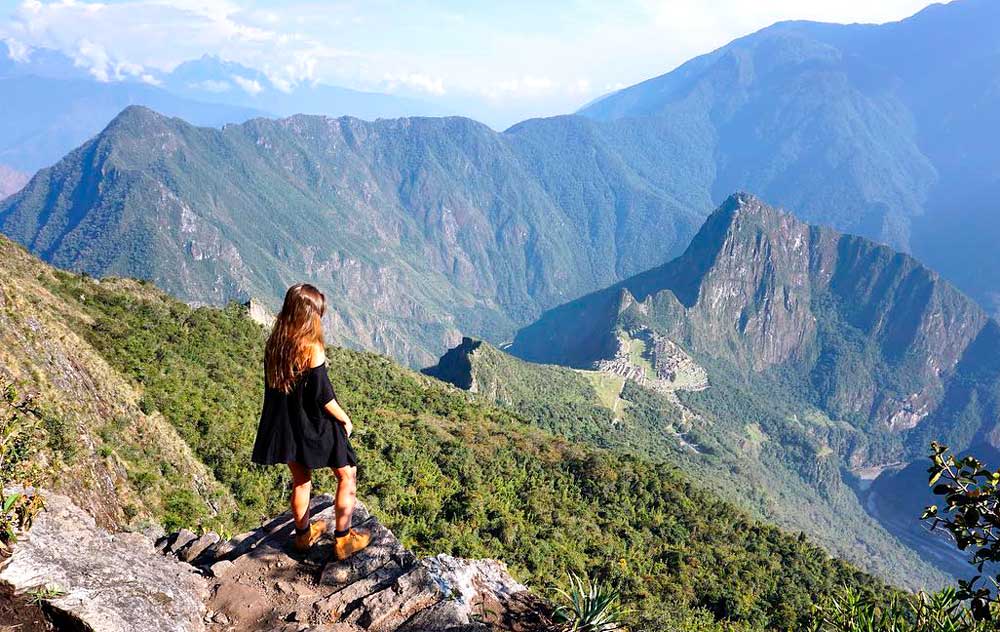
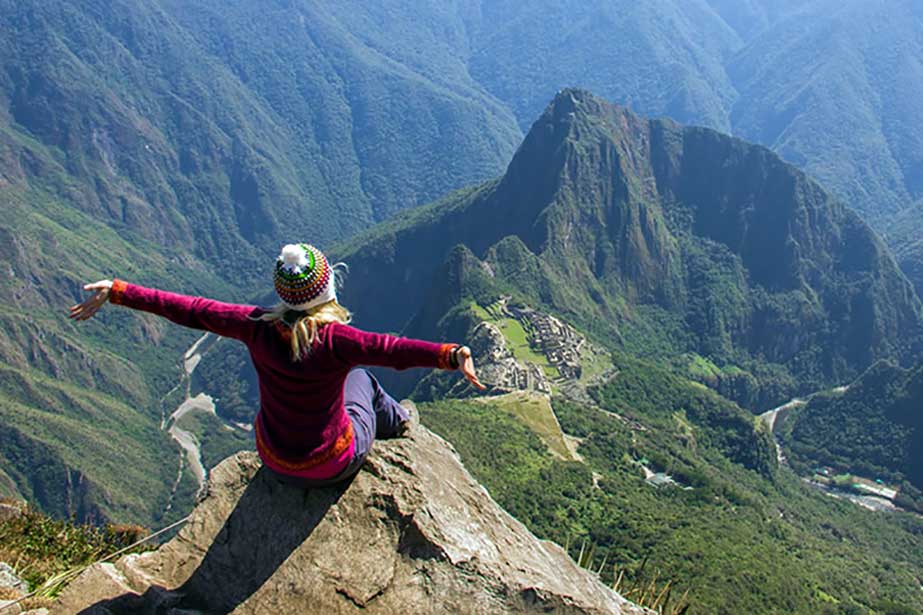
Hiking Machu Picchu Mountain is one of the best ways to experience the impressive landscape surrounding the famous Inca citadel. From the summit, travelers can enjoy panoramic views of Machu Picchu, Huayna Picchu, the Urubamba River and the green mountains of the Peruvian Andes.
The hike does not require technical climbing experience, but it involves a long ascent with many stone steps. For this reason, it is important to understand the difficulty, duration, altitude, ticket requirements and trail conditions before adding it to your itinerary.
This guide answers the most common questions travelers have when planning to hike Machu Picchu Mountain.
Machu Picchu Mountain Quick Facts
| Official route | Circuit 1-A: Machu Picchu Mountain Route |
|---|---|
| Maximum altitude | Approximately 3,082 meters / 10,111 feet |
| Distance | Approximately 3.8 km / 2.4 miles round trip |
| Hiking time | Around 3 to 4 hours round trip |
| Difficulty | Moderate to challenging |
| Trail type | Stone steps and mountain paths |
| Technical climbing | Not required |
| Main attraction | Panoramic views over Machu Picchu |
| Separate ticket required | Yes |
What Is Machu Picchu Mountain?
Machu Picchu Mountain, also known as Montaña Machu Picchu, is the large mountain located behind the southern side of the archaeological site.
It should not be confused with the Machu Picchu citadel or with Huayna Picchu, the sharp mountain that appears behind the ruins in many famous photographs.
The trail climbs to one of the highest accessible viewpoints inside the Machu Picchu Historic Sanctuary. From the summit, travelers can see the entire archaeological site surrounded by mountains and the deep valley of the Urubamba River.
The view is wider and more panoramic than the view from Huayna Picchu. Instead of standing directly above the citadel, you can appreciate how Machu Picchu was built within the natural Andean landscape.
How Difficult Is the Machu Picchu Mountain Hike?
The Machu Picchu Mountain hike is considered moderate to challenging. The route is not technically difficult, and travelers do not need ropes, climbing equipment or previous mountaineering experience.
However, most of the trail consists of stone steps that climb continuously toward the summit. The main challenge is the combination of altitude, humidity, sun exposure and the long uphill ascent.
The most difficult parts of the hike include:
- A continuous uphill climb
- Hundreds of uneven stone steps
- Limited shade in some sections
- Warm and humid conditions
- Possible rain and slippery stones
- A significant elevation gain
Travelers who exercise regularly and are comfortable walking uphill should usually be able to complete the hike at a steady pace. There is no need to rush, and several sections of the trail provide space to stop, rest and enjoy the views.
The hike may be more difficult for travelers with knee problems, limited mobility, heart conditions or poor balance. The descent can also place considerable pressure on the knees.
How Long Does It Take to Hike Machu Picchu Mountain?
Most travelers complete the Machu Picchu Mountain hike in approximately three to four hours round trip.
| Section | Approximate time |
|---|---|
| Trail entrance to the summit | 1.5 to 2 hours |
| Time at the summit | 15 to 30 minutes |
| Summit to the trail entrance | 1 to 1.5 hours |
Walking time depends on your fitness level, the weather, trail conditions and how often you stop for photographs.
Fast hikers may finish earlier, while travelers who prefer a slower pace may need more time. The views improve as you climb, so it is worth stopping at the intermediate viewpoints instead of focusing only on reaching the summit.
What Is the Altitude of Machu Picchu Mountain?
The summit of Machu Picchu Mountain reaches approximately 3,082 meters above sea level, or around 10,111 feet.
The Machu Picchu citadel is located at approximately 2,430 meters above sea level. This means the hike includes an elevation gain of more than 600 meters.
Although the summit is lower than the city of Cusco, which sits at around 3,400 meters, the altitude can still make the climb feel more demanding.
Travelers may experience shortness of breath during the steeper sections. Walk slowly, drink water and take short breaks whenever necessary.
Which Ticket Do You Need?
To hike Machu Picchu Mountain, you need to purchase the ticket for:
Circuit 1 – Route 1-A: Machu Picchu Mountain Route
A standard Machu Picchu entrance ticket does not automatically include access to the mountain. Tickets are issued for specific routes, dates and entry times.
Route 1-A generally includes:
- Access to the Machu Picchu Mountain trail
- Upper panoramic viewpoints
- Views of the Machu Picchu citadel
- Access to areas suitable for classic panoramic photographs
However, this ticket focuses mainly on the mountain and panoramic sector. It does not include the same archaeological route as Circuit 2, which passes through more temples, plazas and important Inca structures.
Travelers who want to hike the mountain and explore more of the citadel may need two separate tickets or a two-day visit.
Should You Book the Ticket in Advance?
Yes. Machu Picchu Mountain tickets should be booked in advance because the number of visitors is limited.
Availability can become restricted during the busiest months, especially from May to September. June, July and August are particularly popular due to the drier weather.
Booking early is especially important when:
- You are traveling during the dry season
- Your train and hotel dates are already confirmed
- You are traveling with a group
- You want a specific entrance time
- You are visiting during a holiday period
Do not depend on buying a ticket after arriving in Aguas Calientes. Mountain tickets may already be sold out.
What Is the Trail Like?
The Machu Picchu Mountain trail begins inside the archaeological complex. Travelers follow the signs toward the mountain checkpoint, where visitors may be required to register before starting the hike.
The first part of the route passes through vegetation and shaded areas. As the trail climbs, it becomes more open and offers wider views of the sanctuary.
Most of the route follows stone steps. Some sections are steep and uneven, but the path is generally wider and less exposed than the Huayna Picchu trail.
Along the way, travelers can see:
- The Machu Picchu citadel from above
- Huayna Picchu Mountain
- The Urubamba River
- The surrounding cloud forest
- The road between Aguas Calientes and Machu Picchu
- Andean peaks and deep valleys
- Orchids, ferns and native vegetation
The final section can feel tiring because the stone steps continue almost to the summit. However, the panoramic views make the effort worthwhile.
What Can You See from the Summit?
The summit provides one of the widest views available within the Machu Picchu Historic Sanctuary.
On a clear day, you may see:
- The complete Machu Picchu citadel
- Huayna Picchu
- Huchuy Picchu
- The Sun Gate area
- The Urubamba River canyon
- The surrounding Andean mountains
- The road that climbs from Aguas Calientes
From the summit, Machu Picchu appears much smaller than it does from the classic viewpoint. This perspective helps travelers understand how isolated the citadel is and how carefully it was integrated into the surrounding mountains.
Clouds can occasionally cover the view, especially during the rainy season or early in the morning. Weather conditions change quickly, so waiting a few minutes may reveal a clearer view.
Machu Picchu Mountain vs. Huayna Picchu
Machu Picchu Mountain and Huayna Picchu offer different experiences. The better option depends on your fitness, available time and comfort with heights.
| Machu Picchu Mountain | Huayna Picchu |
|---|---|
| Longer hiking route | Shorter hiking route |
| Wide panoramic views | Closer views over the ruins |
| Many stone steps | Very steep and narrow sections |
| Less exposed in most areas | More exposed sections |
| Better for landscape photography | Better for dramatic viewpoints |
| Approximately 3 to 4 hours | Approximately 2 to 3 hours |
| Physically demanding | Steeper and more intimidating |
Choose Machu Picchu Mountain if you prefer wide views, a longer hike and a route with fewer exposed sections.
Choose Huayna Picchu if you want a steeper adventure and feel comfortable walking on narrow paths near sharp drops.
Is Machu Picchu Mountain Safe?
The established Machu Picchu Mountain trail is generally safe when visitors follow the regulations and walk carefully.
However, it is still a mountain route. Rain, wet stone steps, steep sections and changing weather conditions can create additional risks.
For a safer hike:
- Wear shoes with good traction
- Walk slowly on wet or uneven steps
- Stay on the marked trail
- Do not sit close to exposed edges
- Avoid passing hikers in narrow sections
- Keep your hands free during difficult sections
- Follow the instructions of park personnel
- Stop if you feel dizzy, weak or unwell
Travelers with heart conditions, serious respiratory problems or mobility limitations should speak with a healthcare professional before attempting the hike.
When Is the Best Time to Hike Machu Picchu Mountain?
Dry Season: May to September
The dry season usually offers clearer skies and a lower chance of heavy rain. This makes it the most popular period for hiking and photography.
However, it is also the busiest season. Tickets, trains and accommodation should be booked well in advance.
Rainy Season: November to March
During the rainy season, the mountains are greener and the landscape can be especially beautiful. There may also be fewer visitors on some days.
However, rain, clouds and slippery steps are more common. Travelers should carry a lightweight rain jacket and protect electronic devices from moisture.
April and October
April and October are transitional months. They may offer a good balance between green scenery, moderate crowds and periods of stable weather.
Weather in the Andes can change quickly at any time of year. A cloudy morning may become clear later, while a sunny day may suddenly bring rain.
What Should You Bring?
You do not need a large backpack for the hike. Carry only the items you need for several hours of walking.
Recommended items include:
- Comfortable hiking shoes
- A small daypack
- Water
- A lightweight rain jacket or poncho
- A sun hat
- Sunscreen
- Sunglasses
- Insect repellent
- Your passport
- Your Machu Picchu entrance ticket
- A phone or camera
- Personal medication
Wear light layers because the temperature can change during the hike. The morning may feel cool, but the trail can become warm once you begin climbing.
Avoid carrying unnecessary weight, especially because large backpacks may not be permitted inside Machu Picchu.
Do You Need Trekking Poles?
Most travelers can complete the hike without trekking poles.
Standard trekking poles with exposed metal tips may be restricted because they can damage the stone paths. Walking sticks with rubber tips may be allowed in specific situations, especially for older travelers or visitors with mobility needs.
Check the current Machu Picchu regulations before your visit.
Do You Need a Guide?
A guide is not usually required to follow the Machu Picchu Mountain trail because the route is clearly marked.
However, hiring a guide is recommended if you also want to understand the history, architecture and cultural importance of Machu Picchu.
The mountain ticket focuses on the panoramic route and does not provide the same archaeological experience as other circuits.
A well-organized visit may include:
- A guided tour of Machu Picchu on a separate circuit
- A second ticket for Machu Picchu Mountain
- Enough time between the hike and your train departure
A local travel operator can help coordinate entrance tickets, trains, buses, guides and accommodation.
Can Beginners Hike Machu Picchu Mountain?
Active beginners can complete the hike, but it should not be considered an easy walk.
You will be better prepared if you can comfortably:
- Walk for three or four hours
- Climb stairs for an extended period
- Walk on uneven surfaces
- Exercise at moderate altitude
- Continue after taking short rest breaks
Before traveling to Peru, practice walking uphill, climbing stairs and taking longer walks. Even a few weeks of preparation can make the hike more enjoyable.
Is Machu Picchu Mountain Suitable for Older Travelers?
Age alone does not determine whether someone can complete the hike. Fitness, balance, knee health and previous walking experience are more important.
Healthy and active older travelers may enjoy the route at a slower pace. However, the repeated stone steps and long descent can be difficult for people with knee, hip or balance problems.
Travelers should evaluate their physical condition realistically and avoid feeling pressured to reach the summit.
Can You Hike Machu Picchu Mountain After the Inca Trail?
It is possible to hike Machu Picchu Mountain after completing the Inca Trail, but it may not be suitable for every traveler.
After several days of trekking, your legs may already be tired from climbing and descending stone steps. Adding another demanding ascent may reduce the energy and time available for enjoying the citadel.
Strong hikers may appreciate the additional challenge. Other travelers may prefer to:
- Visit Machu Picchu after completing the Inca Trail
- Spend the night in Aguas Calientes
- Return the following day to hike Machu Picchu Mountain
The Inca Trail entrance and Machu Picchu Mountain ticket are separate. Confirm the correct access arrangements before your trip.
Is Hiking Machu Picchu Mountain Worth It?
Hiking Machu Picchu Mountain is worth it for travelers who enjoy physical activity, panoramic viewpoints, mountain scenery and photography.
It may not be the best option if your main priority is exploring the temples, plazas and archaeological structures inside the citadel.
The hike is especially recommended for travelers who:
- Want a more active Machu Picchu experience
- Prefer wide views instead of exposed trails
- Have enough time for a three or four-hour hike
- Enjoy landscape photography
- Are visiting Machu Picchu for a second day
Travelers with limited time may prefer a more complete archaeological circuit instead.
Frequently Asked Questions
Is Machu Picchu Mountain the same as Huayna Picchu?
No. Machu Picchu Mountain is the larger mountain located behind the southern side of the citadel. Huayna Picchu is the sharp peak that appears behind Machu Picchu in many classic photographs.
Is the Machu Picchu Mountain hike dangerous?
The trail does not require technical climbing, but it includes steep steps, uneven surfaces and mountain terrain. Visitors should walk carefully and follow all official regulations.
Can I buy the ticket at the entrance?
You should not depend on purchasing the ticket at the entrance. Spaces are limited, and tickets may sell out before your travel date.
How much water should I carry?
Carry enough water for approximately three to four hours of activity. The amount depends on the weather and your personal needs, but avoid carrying an excessively heavy backpack.
Are there bathrooms on the mountain trail?
There are no regular bathroom facilities along the mountain trail. Use the facilities near the main entrance before beginning the hike.
Can I visit the entire citadel with the mountain ticket?
The Machu Picchu Mountain ticket focuses on the panoramic route and the mountain hike. It does not include the same archaeological areas as Circuit 2. A separate ticket may be necessary for a more complete visit.
Is Machu Picchu Mountain open all year?
Access depends on official schedules, maintenance, weather conditions and government regulations. Always confirm availability for your exact travel date.
Hiking Machu Picchu Mountain adds a rewarding physical challenge to one of Peru’s most famous destinations. The trail is long and includes many stone steps, but the panoramic views from the summit are exceptional.
Reserve the correct Circuit 1-A ticket in advance, prepare for several hours of hiking and avoid scheduling your return train too close to the end of the visit.
Most importantly, walk at your own pace, take regular breaks and allow enough time to enjoy the scenery along the way.
With good preparation and realistic expectations, hiking Machu Picchu Mountain can become one of the most memorable experiences of your trip to Peru.

Junior Vilca H.
Travel specialist sharing practical advice, local stories and inspiration to help you discover Peru.