Peru can be visited throughout the year, but the best time to travel depends on where you plan to go and what you want to do.
The country has three very different geographical regions: the coast, the Andes, and the Amazon rainforest. Weather conditions can change significantly between them, so there is no perfect month for every destination.
For most travelers visiting Cusco, Machu Picchu, the Sacred Valley, and other areas of the Andes, the months between May and September generally offer dry weather and better conditions for most tours, especially trekking.
However, these are also the busiest months of the year.
If you prefer fewer visitors, greener landscapes, and a balance between weather and crowds, April, May, September, and October can be excellent months to travel throughout Peru.
When Is the Best Time to Visit Peru?
For a classic Peru itinerary that includes Lima, Cusco, the Sacred Valley, and Machu Picchu, the best overall period is generally
April to October
During these months, the Andes experience minimal chances of rainfall, and travelers have a better chance of good conditions for outdoor activities.
Official Peru tourism information also identifies April to November as the drier period for visiting Machu Picchu.
That does not mean you should avoid Peru during the rainy season.
December through March can still be a good time to visit if you are comfortable with occasional rain, especially if your priority is cultural travel rather than outdoor activities such as trekking and camping.
Peru’s Weather by Region
Understanding Peru’s geography makes travel planning much easier.
Peru is divided into three main regions:
- The Pacific Coast
- The Andes
- The Amazon Rainforest
Each has its own weather pattern.
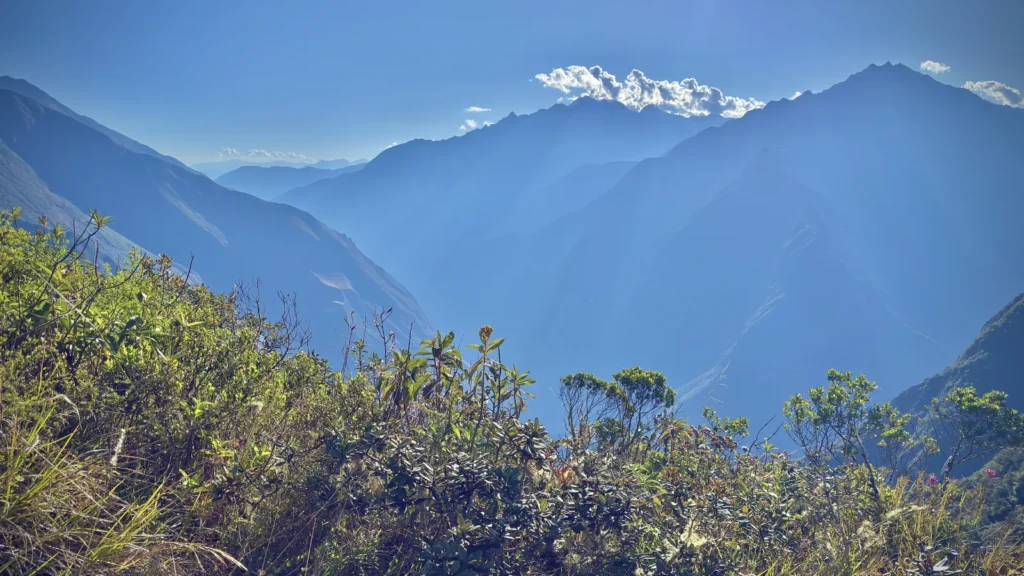
The Andes
The Andes region includes destinations such as
- Cusco
- Machu Picchu
- Sacred Valley
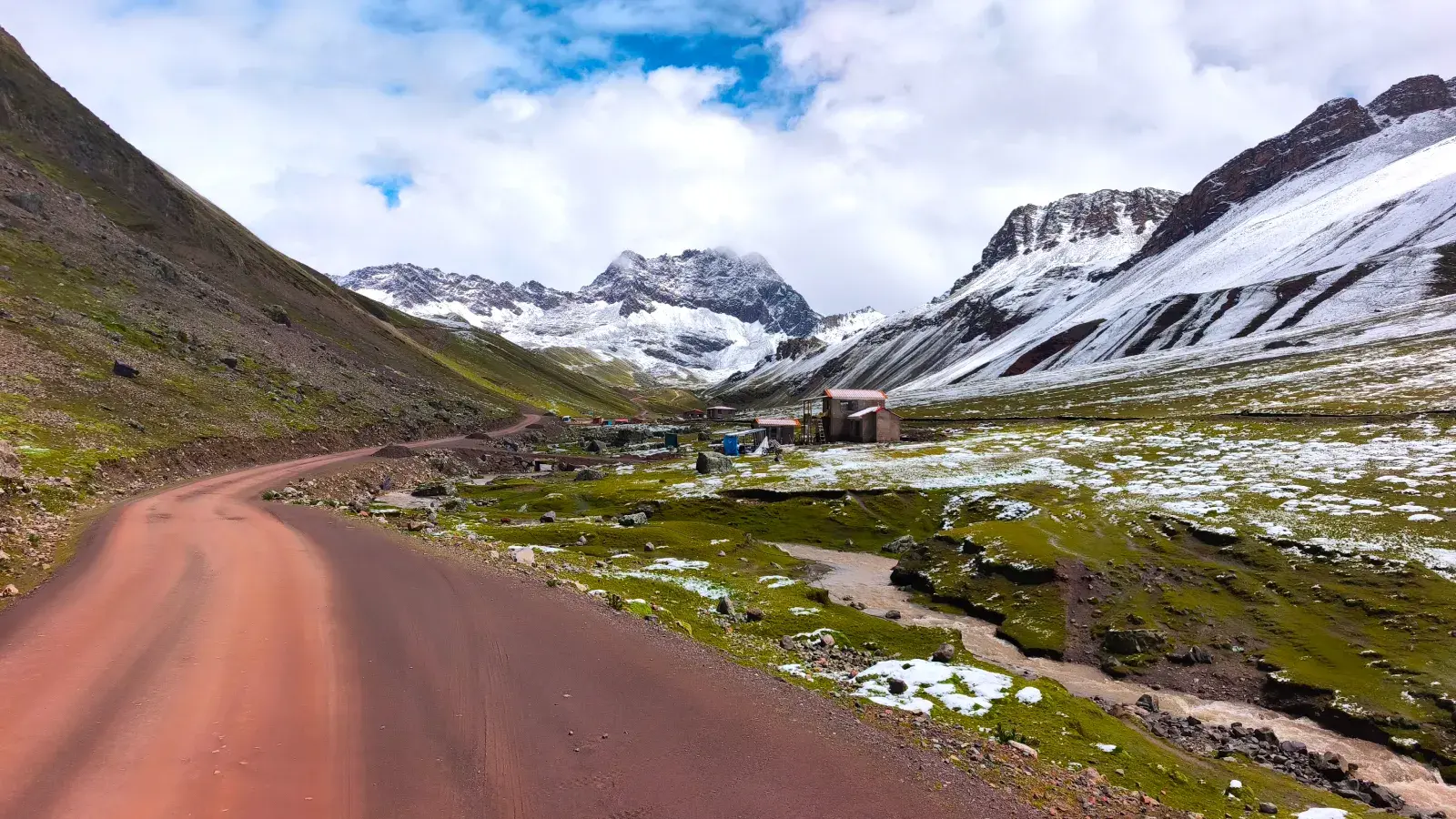
- Rainbow Mountain
- Lake Titicaca
- Huaraz
- Colca Canyon
The main dry season usually runs roughly from May to September, while rainfall becomes more frequent between November and March.
In the highlands, daytime temperatures can feel pleasant while mornings and nights can become quite cold.
Significant temperature changes during the day are normal in the montaneus region of Peru. PROMPERÚ describes the highlands as generally dry and temperate, with considerable changes in temperature between day and night.
The Peruvian Coast
The Peruvian coast includes the following destinations:
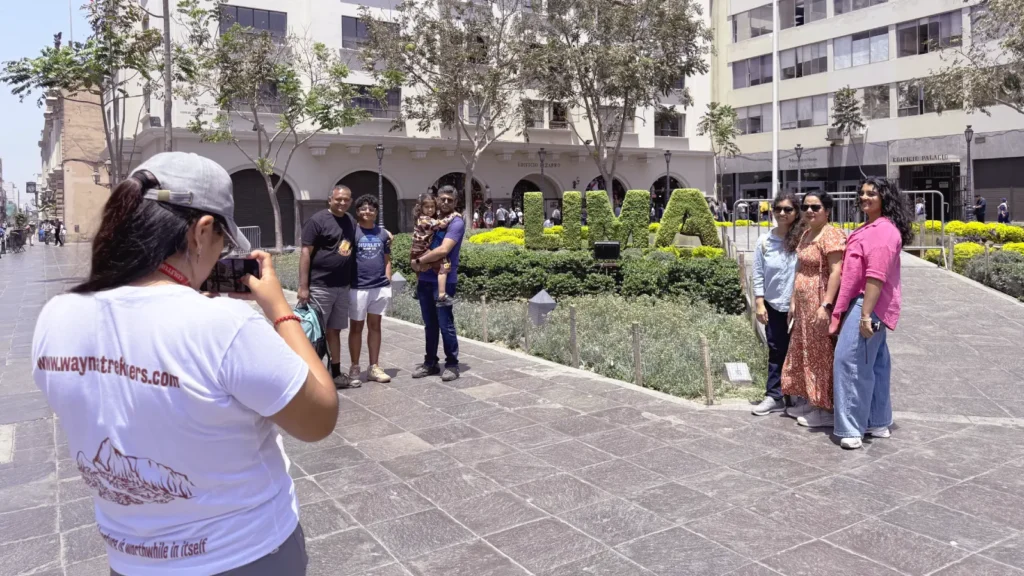
- Lima
- Paracas Reserve
- Ballestas Islands
- Ica
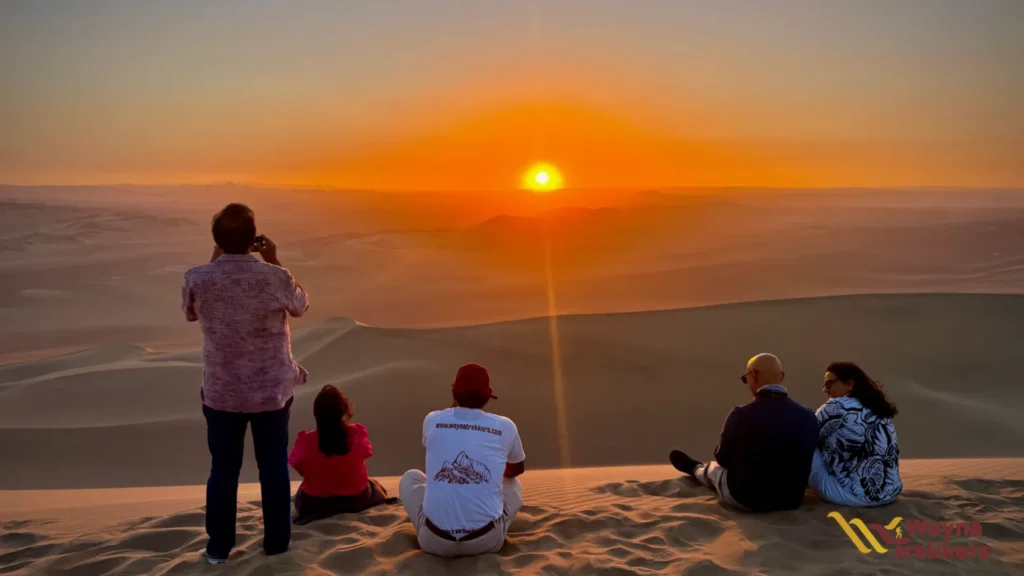
- Huacachina Oasis
- Nazca Lines
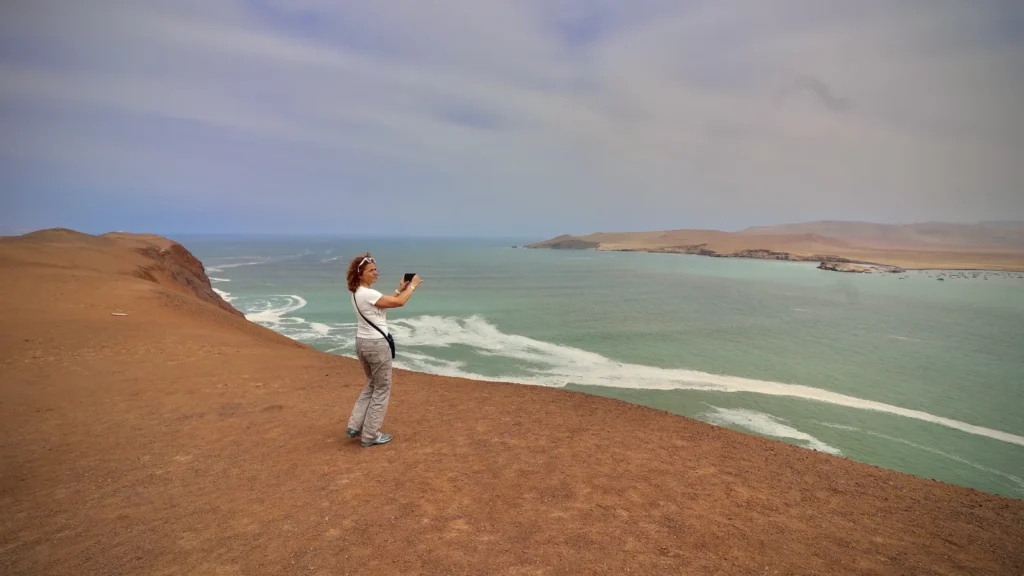
Peru’s coastal climate is completely different from the Andes.
Lima, Paracas, and much of the central and southern coast receive very little rainfall.
The central and southern coasts can be cloudy and humid during the cooler months, while the northern coast tends to be warmer and sunnier.
Peru’s official tourism portal describes the northern coast as sunny throughout much of the year, while the central and southern coasts are generally temperate, humid, and often cloudy.
For destinations such as Lima, Huacachina, and Paracas, weather is usually not the main limitation when planning a trip.
The Amazon Rainforest
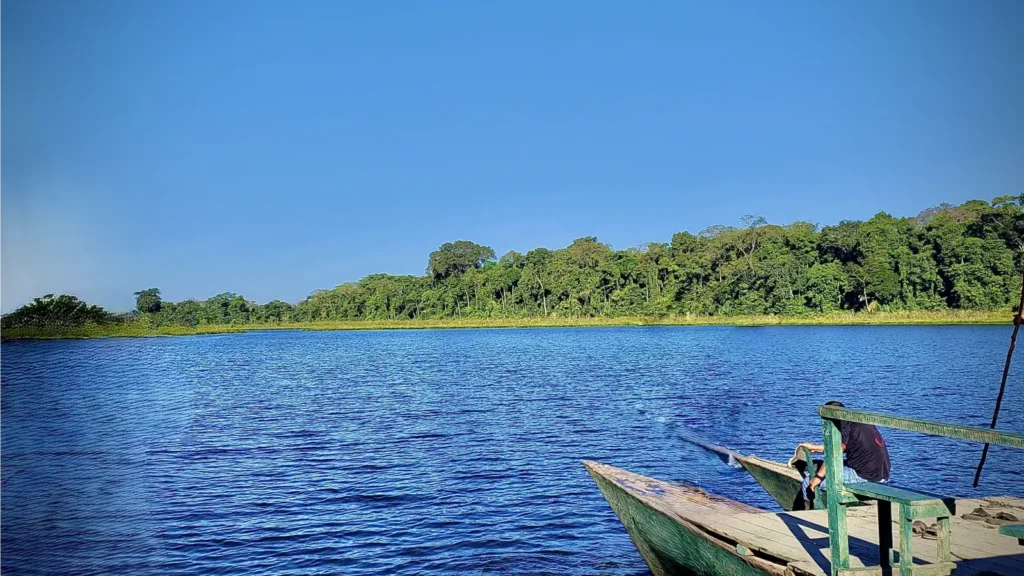
The Peruvian Amazon includes destinations such as
- Puerto Maldonado
- Tambopata
- Manu National Park
- Iquitos
Conditions are warm and humid throughout the year.
Rainfall can occur at any time, although some months are noticeably wetter than others.
Peru’s Amazon is described as having a hot tropical climate with abundant rainfall.
Travel during the drier months can make some jungle activities easier, but the rainforest remains a year-round destination.
Best Time to Visit Peru by Season
April to May: Green Landscapes and Fewer Crowds
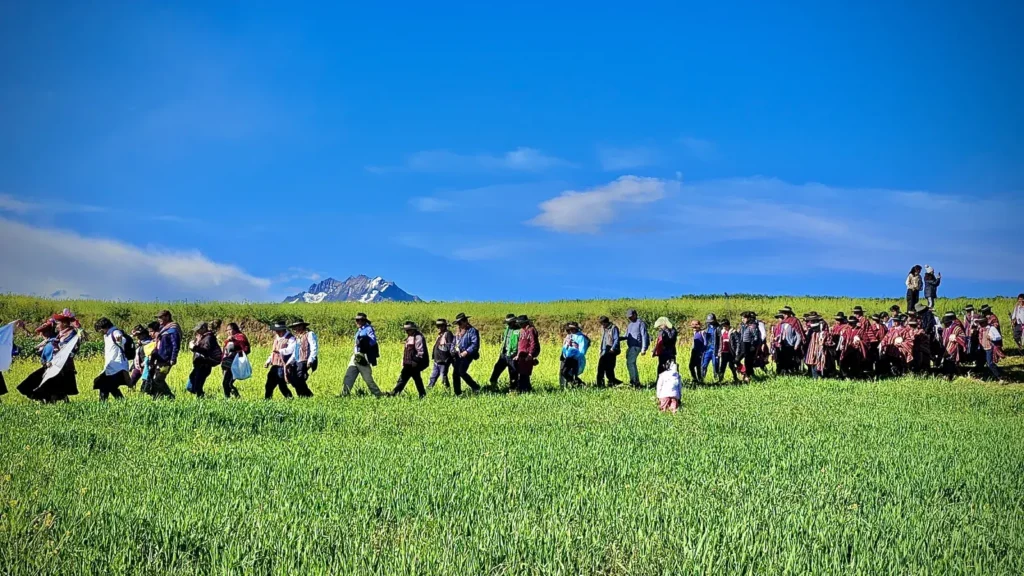
April and May are among travelers’ favorite months for traveling in Peru.
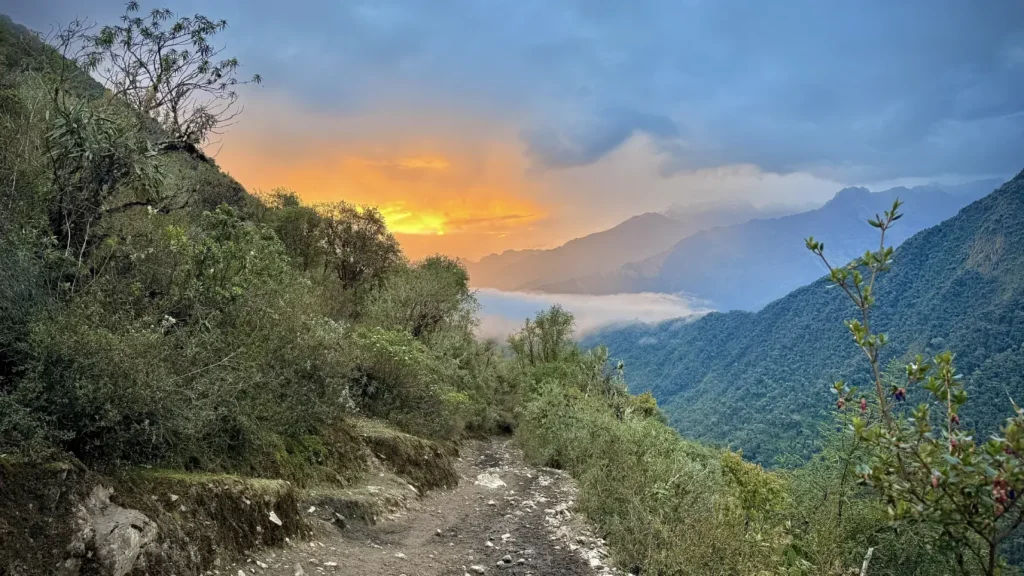
The rainy season is ending in the Andes; landscapes are still green, and conditions for trekking and camping usually improve considerably.
These months can be particularly good for:
- Machu Picchu
- Sacred Valley
- Cusco
- Colca Canyon
- Hiking routes around the Andes
May often combines relatively dry conditions with fewer visitors than the busiest months of June and July.
June to August: Best Weather in the Andes
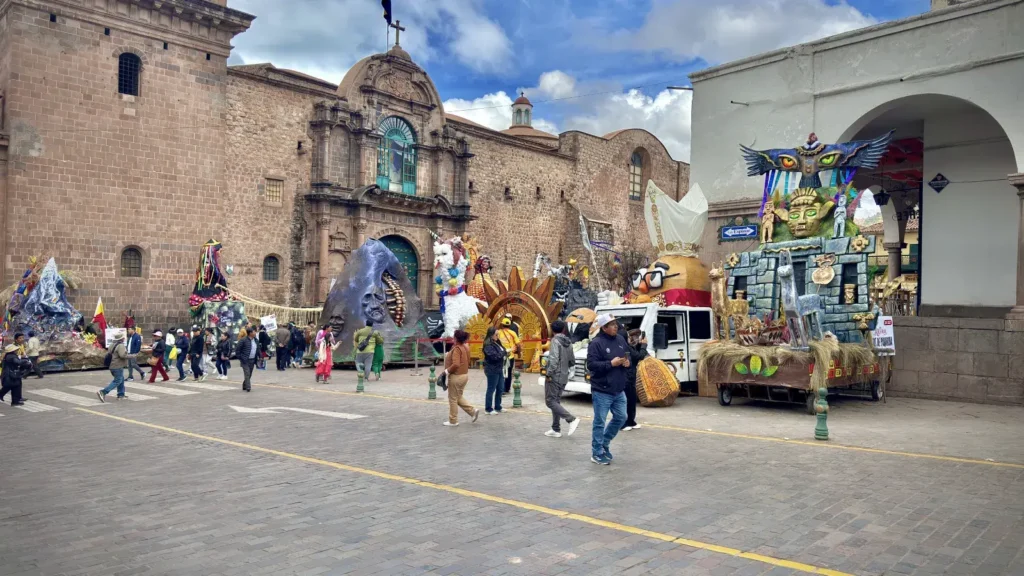
June, July, and August are part of the best and driest season in the heart of the Andes.
These months are popular for good reason.
You can generally expect:
- Less rain
- Better hiking conditions
- Clearer mountain views
- Easier access to trekking routes
This period is particularly suitable for travelers planning the famous Inca Trail or other high-altitude treks.
The disadvantage is demand.
Machu Picchu, Cusco, and major trekking routes can become busy, especially around June and July.
Hotels, trains, Machu Picchu tickets, and Inca Trail permits should be organized well in advance.
September to October: Good Weather Without Peak Crowds
September and October are another excellent period to visit Peru. The weather in the Andes is often still favorable, while peak-season crowds begin to decrease.
This period is particularly attractive for travelers who want to combine:
- Machu Picchu
- Cusco
- Sacred Valley
- Arequipa
- Colca Canyon
- Lake Titicaca
October can begin to see more rainfall, particularly toward the end of the month, but conditions are in general manageable.
November to March: Rainy Season in the Andes
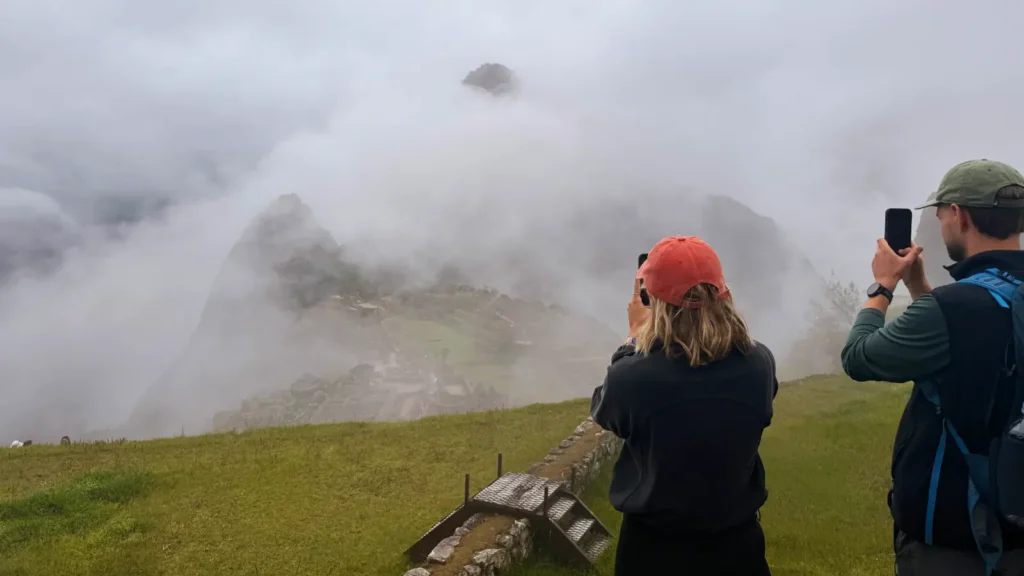
November usually marks the transition toward the wetter season.
December through March receive considerably more rain in areas such as Cusco and Machu Picchu. Climate data show that rainfall across much of Peru’s Andean region is concentrated primarily between November and March.
However, rain does not normally mean continuous rainfall every day. You can still experience sunny mornings and good sightseeing conditions.
The advantages of traveling during this period can include:
- Fewer tourists
- Greener scenery
- Greater hotel availability
- A quieter experience at some attractions
The main downside is that hiking trails can become muddy and weather conditions are more difficult to foresee.
Peru Month-by-Month
January
January is part of the rainy season in the Andes. Cusco and Machu Picchu are noticeably greener, but trekking conditions can not be appropriate.
It can still work well for travelers focused on cultural sightseeing rather than trekking.
February
February is usually considered one of the wettest months in the Cusco region.
The Classic Inca Trail closes during February for annual maintenance.
Machu Picchu itself remains open.
Travel is still possible, but this is generally not the first month we recommend for travelers whose main goal is hiking.
March
Rainfall remains common, although conditions normally begin to improve toward the end of the month.
The landscapes around Cusco and the Sacred Valley are particularly green.
April
April is an excellent transition month.
Rainfall decreases while mountains and valleys remain green from the previous rainy season.
For many travelers, April offers one of the best combinations of scenery and visitor numbers, great for photography.
May
May is one of the best months to visit Peru.
The dry season is beginning in the Andes, but the busiest tourism period has not fully arrived yet.
It is particularly good for trekking and visiting Machu Picchu.
June
June generally offers excellent conditions in Cusco and the Andes.
It is also an important cultural month in Cusco, with celebrations leading up to Inti Raymi, “Sun Festival.”
Expect more visitors and higher demand for accommodation and transportation.
July
July is one of the driest and busiest months.
Conditions are excellent for trekking, although temperatures can become quite cold at night in high-altitude areas.
August
August remains dry and popular.
It is a very good month for trekking and outdoor travel, especially around Cusco, Huaraz, and other Andean regions.
September
September is one of the best months for travelers looking for good weather with slightly fewer crowds.
Rainfall may gradually begin to increase later in the month.
October
October remains a good month for visiting much of Peru.
You can generally expect warmer conditions in the Andes, although occasional rain becomes more common.
November
November is a transition month toward the rainy season.
There are often fewer visitors, but weather conditions become less predictable.
December
December marks the beginning of the wetter period in the Andes.
Travel is still completely possible, but trekkers should prepare for rainfall.
Best Time to Visit Machu Picchu

For most travelers, the best months for Machu Picchu are:
April, May, June, September, and October.
June through August usually provide the driest weather, but the flux of visitors increases potentially.
April, May, September, and October provide a better balance between weather and crowds.
PROMPERÚ recommends April through November for visiting Machu Picchu because this corresponds largely with the region’s drier season.
If Machu Picchu is the main reason for your trip, weather should not be your only consideration. Ticket availability matters as well.
During popular travel periods, entrance tickets and train schedules sell out extremely quickly, and hotels are generally booked up well in advance; it is generally recommended booking Machu Picchu tickets before flights.
Best Time for Trekking in Peru
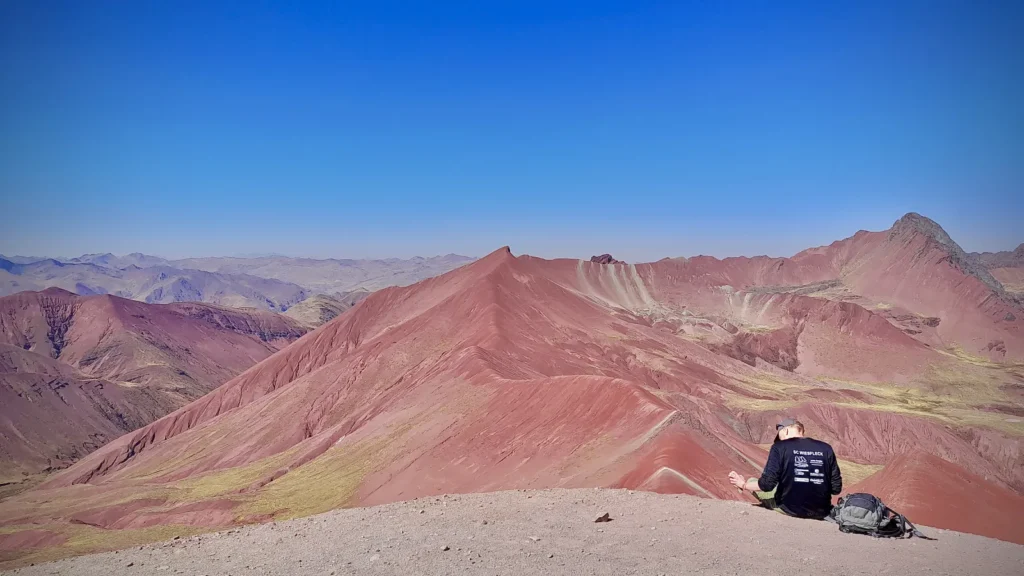
If trekking is an important part of your trip, aim for the Andean dry season.
The most reliable months are usually:
May to September.
These months work particularly well for routes such as:
- Inca Trail
- Salkantay Trek
- Lares Trek
- Ausangate
- Choquequirao
- Hiking around Huaraz
April and October can also be excellent, depending on the specific route and current weather.
For remote routes, conditions matter more than they do for conventional sightseeing. Heavy rainfall may affect trail conditions, road access, and river levels.
Best Time to Visit the Peruvian Amazon
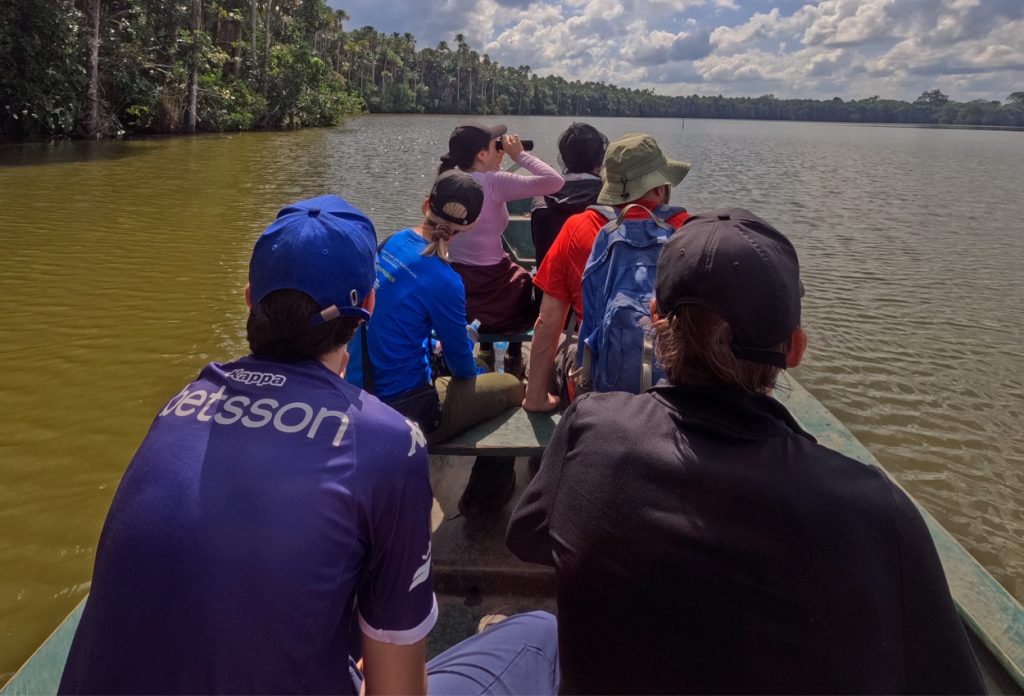
The Amazon can be visited throughout the year.
For travelers combining the jungle with Cusco and Machu Picchu, May through September looks more convenient because it coincides with the drier season in the Andes.
Even during the Amazon’s relatively drier months, rainfall is expected. For example, climate observations for Iquitos show substantial rainfall throughout the year, including the June-to-September period.
Instead of looking for completely dry weather, choose the season according to the experience you want.
Water levels, wildlife activity, and accessibility vary throughout the year.
Best Time to Visit Lima and the Coast
Lima can be visited at any time of year.
From approximately December through April, conditions tend to feel warmer and sunnier. Between June and September, Lima often experiences cooler temperatures, cloud cover, and coastal mist.
This is very different from the dry and sunny conditions travelers may experience at the same time in Cusco. That contrast is important when packing for a multi-region Peru itinerary.
You may need warm layers for the Andes, lighter clothing for the Amazon, and something completely different for Lima.

Is the Rainy Season a Bad Time to Visit Peru?
Not necessarily. Traveling during the rainy season can actually be a good choice for some visitors.
You may experience:
- Fewer travelers
- Greener mountains
- Less crowded archaeological sites
- More flexible hotel availability
The trade-off is weather. You should expect uncertainty, particularly if your itinerary includes trekking.
For a first trip centered around Machu Picchu and outdoor activities, we generally recommend the shoulder or dry season.
When Should You Avoid Peru?
There is no month when the entire country should be avoided.
Instead, think about your itinerary.
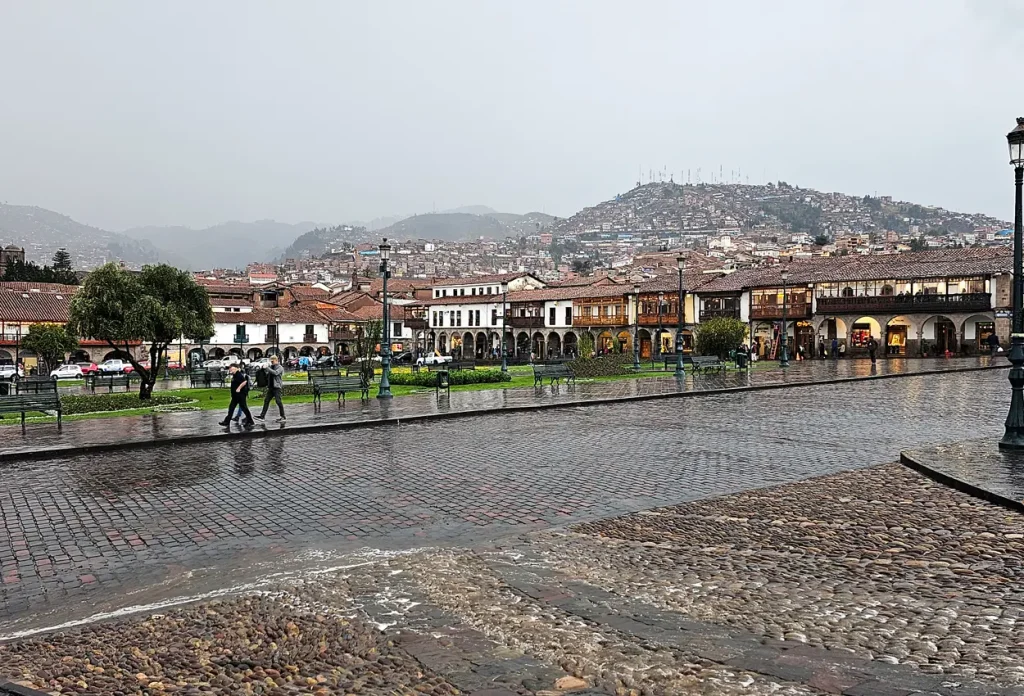
If you want to hike extensively in the Andes, February is usually less convenient because of heavier rainfall and the annual closure of the Classic Inca Trail.
If you dislike crowds, June and July may not be ideal for Cusco and Machu Picchu.
If your priority is sunshine in Lima, the city’s cooler cloudy months may not suit you.
This is why planning according to your destinations is more useful than choosing a month based only on Peru as a whole.
Best Months for Different Types of Travelers
| Travel Style | Recommended Period |
|---|---|
| First trip to Peru | April–October |
| Machu Picchu | April–October |
| Inca Trail & trekking | May–September |
| Fewer crowds | April, May, September, October |
| Green Andean landscapes | March–May |
| Amazon rainforest | Year-round |
| Lima & Pacific Coast | December–April |
| Photography in the Andes | April–May or September–October |
These periods act as guidelines rather than guarantees. Peru’s geography creates significant local weather differences.
Our Favorite Months to Visit Peru
If we had to choose only a few months for a first trip to Peru, we would choose:
May and September.
Both months normally offer a good balance of:
- Favorable weather
- Manageable crowds
- Good trekking conditions
- Good visibility in the Andes
- Access to the country’s main destinations
April and October are also very good alternatives if you do not mind a slightly higher possibility of rain.
What Should You Pack?
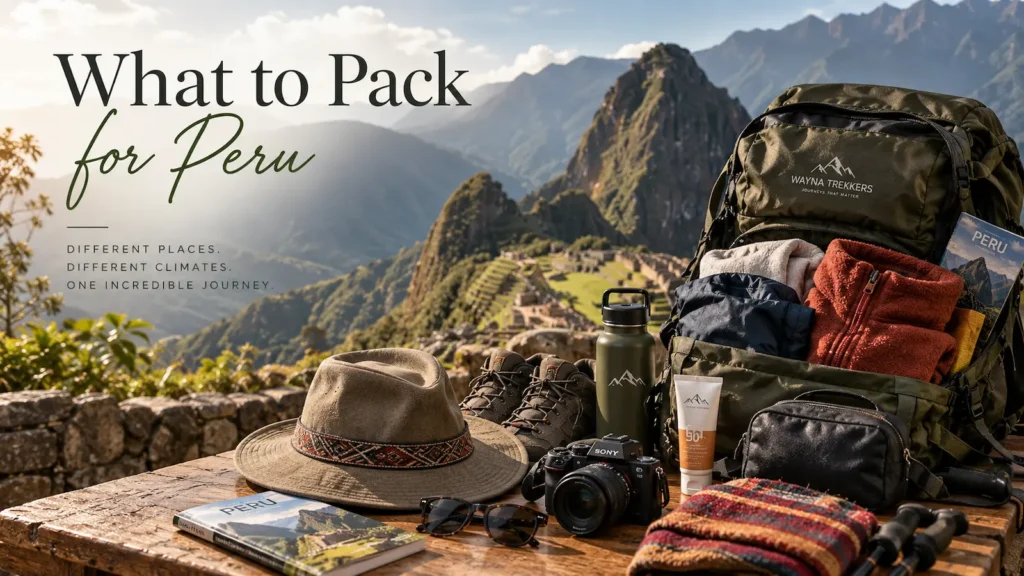
Packing depends heavily on the regions you plan to visit.
For a typical itinerary through Lima, Cusco, and Machu Picchu, bring layers rather than relying on one type of clothing.
Useful items include:
- Lightweight rain jacket
- Clothes made with materials like linen or cotton, which will allow air to circulate better than synthetic fabrics.
- Comfortable walking shoes
- Hat
- Reusable water bottle
- Small backpack
- Lightweight clothing for warmer areas
- Shoes with good insulation or ones that cover your ankles
- Wide-brimmed hats
- Waterproof jacket or poncho for the rainy season
- A fleece or jacket Warm jacket for the cold nights
- Sunscreen
- Insect repellent (15%–30% deets)
- Snacks like chocolate bars, cereal bars, or any dry fruit
- Any necessary personal medications
- Cameras, chargers, extra cables, power banks
- Extra money for souvenirs, drinks & tips.
- Swimsuit (optional)
Note: The sun can feel strong at altitude even when temperatures are cool.
If your trip includes trekking or the Amazon, you will need additional equipment.
- Shoes with good insulation or ones that cover your ankles
- Binoculars: For wildlife viewing
- Flashlight or headlamp: For nighttime activities in the jungle
- Sandals
Final Advice
The best time to visit Peru depends on your itinerary more than the calendar.
For most first-time travelers visiting Cusco, Machu Picchu, and the Sacred Valley, we recommend traveling between April and October.
Choose June to August if dry weather is your main priority and your goal is to hike.
Choose April, May, September, or October if you prefer a better balance between weather, scenery, and crowds.
And remember that Peru is much more than Machu Picchu.
Because the coast, Andes, and Amazon have very different climates, it is possible to plan an excellent trip at almost any time of year.
Before deciding on your dates, start with our Peru Travel Guide to plan your destinations, itinerary, transportation, and other practical details.