SEVEN TIPS TO AVOID ALTITUDE SICKNESS IN CUSCO:
 AuthorTeam Wayna Trekkers
What is Altitude Sickness?
Let’s start with what altitude sickness really means. Altitude generally starts affecting a body at altitudes around 1,500 to 2,000 mt (4,921–6,561 ft). When our body beging to experience lower oxygen levels.
As you go higher in altitude, oxygen pressure goes lower and air becomes thinner, that means we will inhale less oxygen. We compensate it when our body adapts by breathing faster, deeper and producing more red blood cells. So, this takes time and that’s why our we may feel symptoms of alttitude sickness until our body finally acclimates.
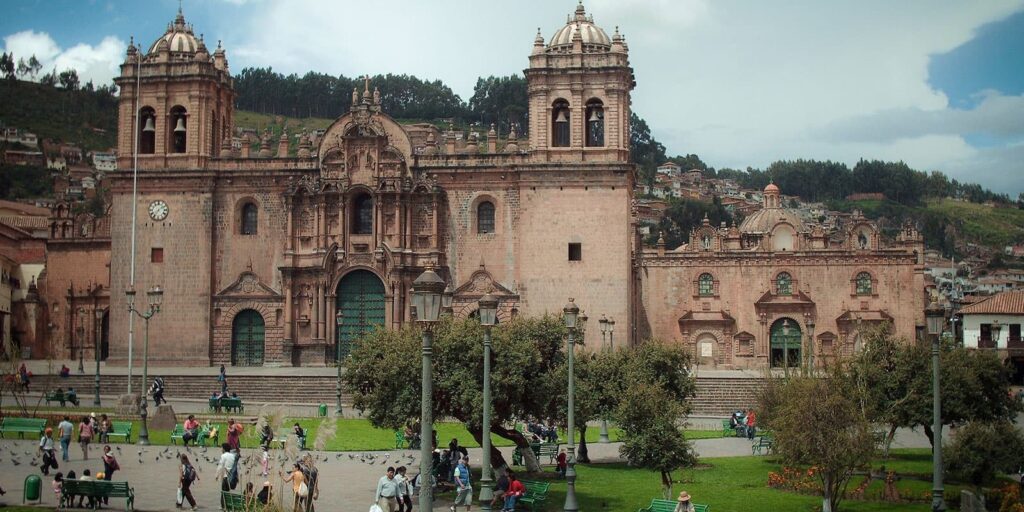
The Cusco region is generally set at very high elevations. The city of Cusco stands at a staggering 3,399m/ 11,152ft. However, people react differently to altitude sickness (Soroche as locals know) and it can present itself in a variety of symptoms. Common symptoms include:
- Headache
- Nausea
- Vomiting
- Fatigue
- Poor appetite
- Dizziness and disturbed sleep
- Loss of oxygen.
Would Altitude Sickness Interfere My Trip to Peru?
Mild altitude sickness will unlikely disrupt your travel plans significantly. Symptoms tend to be felt within 12 to 24 hours after arriving, and the effect remains
1. Relax and take it easy!
Arrive in Cusco 2 days before any tour or trip to acclimatize. Don’t try to engage yourself to long walks or strenuous exercise, remember that this is a new land and ambiance. Upon your arrival, we suggest doing short walks in downtown or going to your hotel and get a good night sleep, a well-rested body will respond positively.
2. Avoid alcohol & drugs.
Alcohol, cigarettes and medications such as sleeping tablets and tranquilizers as these can all make symptoms worse
Avoid medications such as sleeping tablets, tranquilizers, cigarettes and Alcohol, they may be aware of making altitude reaction worse. Certainly, even just a shot of Pisco could tip you over the edge to a ranging nausea, give your body enough time to adjust tho this new environment, 48 hours preferable.
3. Drink water.
Rehydrate your body regularly, it helps to prevent altitude sickness during any activity, even if you are doing a short walk would be helpful. You could find water at any local store around the main square.
4. Go to lower altitudes.
Heading straight to a lower altitude will help you too, the Sacred Valley of the Incas is a great choice, note that Cusco is located at 3400mt / 11,154ft and being at an elevation of 2870mt / 9419ft in Pisac or Urubamba is beneficial, some Travel Agencies facilitate travelers to start/end tours from any hotel in the Sacred Valley, so you can be sure of having a pleasant experience, after a few days, you can make your way back to Cusco. The general rule of thumb is “walk high – sleep low”, as you are over 3000mt then sleep at no more than 300mt lower at the end of the day.

5. Drink coca tea.
Truly, coca tea helps you deal altitude sickness, a magical drink that you can find anywhere in Cusco, and nearly every hotel in the region supplies coca tea at no cost. Coca tea for many foreigners is the best solution but is a mild stimulant too, drinking 2 or 3 cups to start your day is enough, not recommended at night.
6. Get an Oxishot!
It is a small dischargeable can of oxygen that you can find and take everywhere, get one of them if you need a boost. It helps to overcome syntoms related to the altitude sickness such as headaches, fatigue and reactions alike, they cost around $15US or S/45PEN in Local currency.
7. Visit a Medical Practitioner.
It you still worry about your travel to Peru, arrange an appointment with your doctor. They will give you some guidance about how to deal with the altitude. Ask for an acetazolamide prescription, more known as Diamox, this pill helps to avoid altitude sickness.
Coca tea, coca leaves and how to beat altitude sickness in Cusco Altitude sickness can be a very serious illness so before travelling to Cusco consult your doctor particularly if you have any heart, lung or other severe health problems as not all people can travel to Cusco or the Sacred Valley due to the altitude. However, do bear in mind that almost three million people from all over the world visit Cusco and Machu Picchu each year with only a small percentage suffering from altitude sickness.
Altitude sickness can be a serious problem, specially if you are suffering from any chronic illness, so consult it to your doctor. Not all people travelling to Cusco get affected due to the altitude, but it is a latent possibility if you do not take precautions. Around 3 million travelers visit Cusco and Machupicchu yearly, and just a reduced percentage suffers from altitude sickness.
Cusco as well as Machu Picchu are one of the most famous destiations in South America, and medical facilities are always available. Generally, 5* hotels count with oxygen installed into your room, 3* and 4* hotels have also oxygen tanks to offer you when necessary, all health professionals are well-trained to act under any situation specially when altitude sickness comes.

Team Wayna Trekkers
Travel specialist sharing practical advice, local stories and inspiration to help you discover Peru.