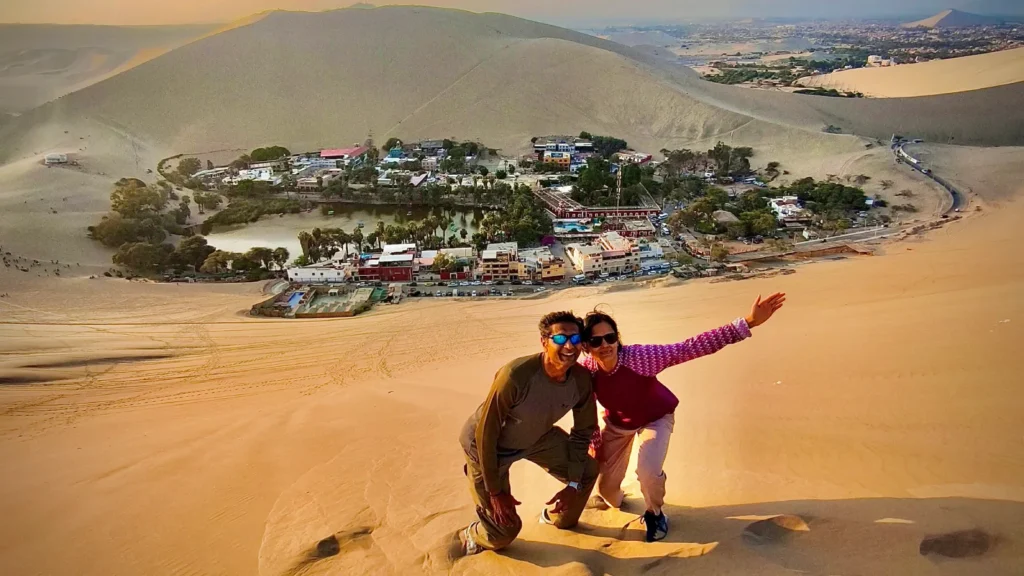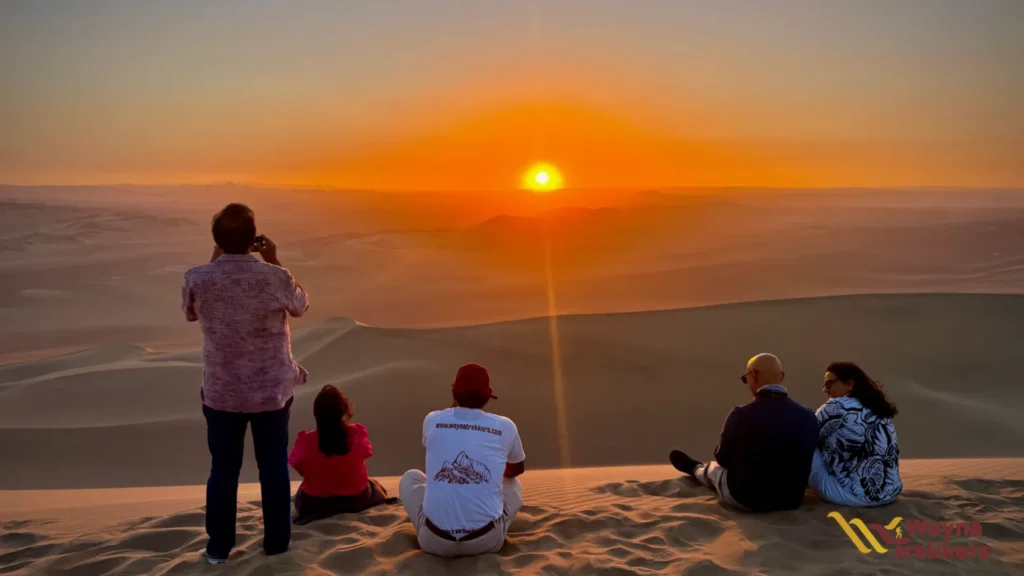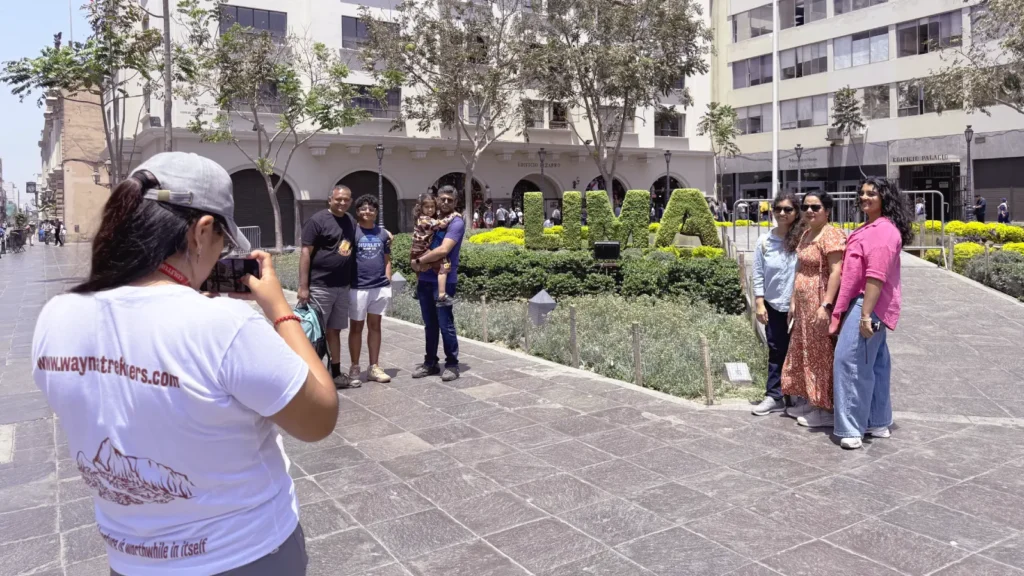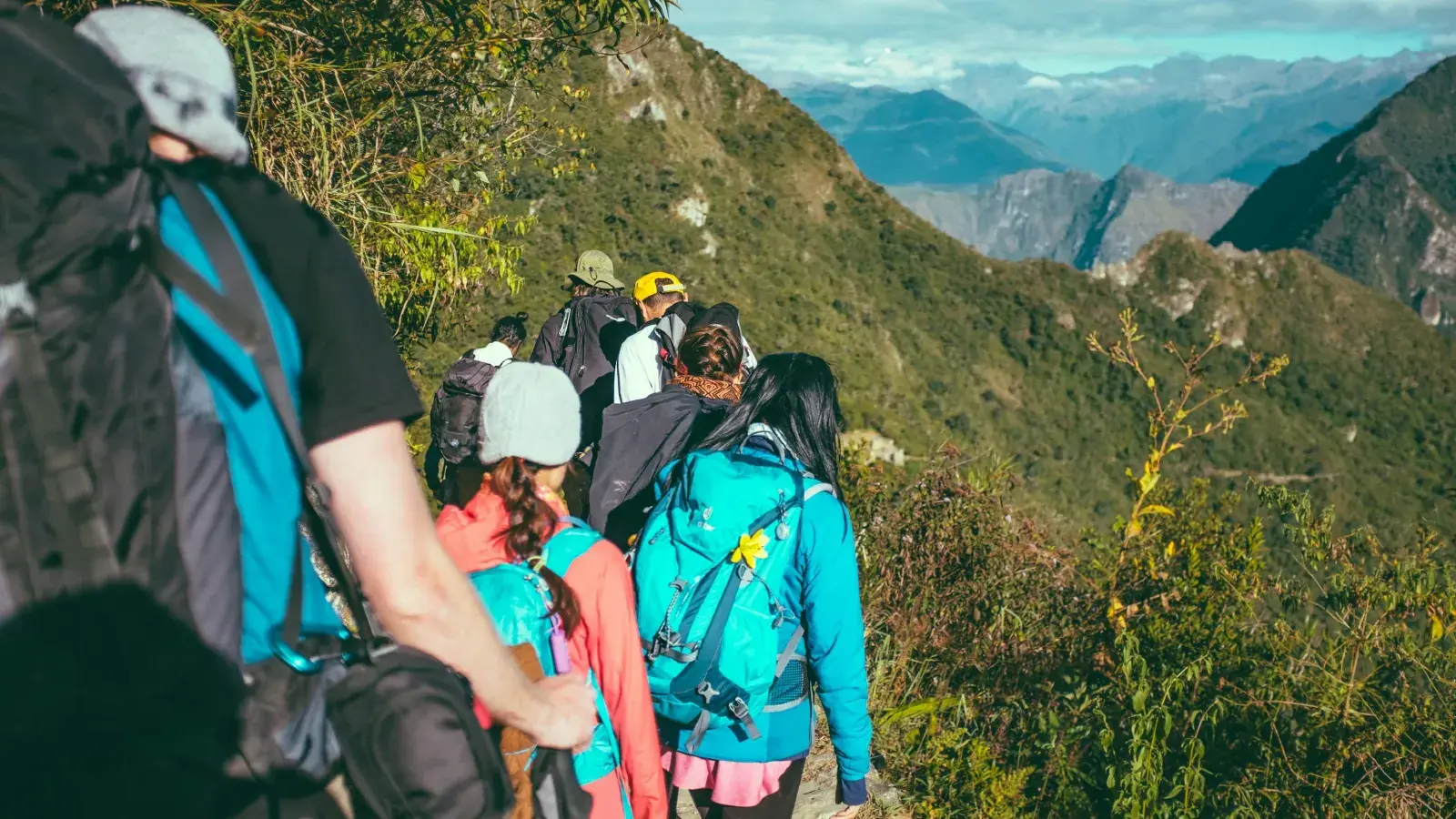
Peru is a difficult place to pack for if your itinerary includes more than one region. You might spend a mild day in Lima, wake up to a cold morning in Cusco, and later travel to the warm, humid Amazon. You do not need a different suitcase for each destination. A few useful layers and the right shoes will be enough for most trips.
This Peru packing list is for travelers visiting places such as Lima, Cusco, the Sacred Valley, Machu Picchu, and the Amazon. If your plans include a multi-day hike, bring the extra trekking items suggested below and check the packing details for your particular tour.
Peru packing list at a glance
- Passport, booking confirmations, and travel insurance details
- Comfortable walking shoes with ankle support and socks
- Lightweight shirts, long pants, and a warm mid-layer
- Waterproof jacket or compact rain poncho
- Wide-brimmed hat, sunglasses, sunscreen, and lip balm
- Small daypack and reusable water bottle
- Personal medication and basic toiletries
- Phone charger, power bank, and a suitable plug adapter
Use this as a starting point, then adjust for the season and the places on your itinerary. For a wider look at routes, costs, and timing, take a look at our Peru Travel Guide.
What clothes should you pack for Peru?

Pack clothes you can combine rather than several outfits for one type of weather. A lightweight shirt, a fleece or sweater, and an outer layer can be worn separately or together as conditions change during the day.
- Everyday tops: Bring breathable T-shirts and one or two long-sleeved shirts. Long sleeves are useful for sun protection and cooler evenings.
- Pants: Comfortable trousers work well for sightseeing and bus or train journeys. Add hiking pants that can dry easily if you plan to walk longer trails.
- Warm layer: A fleece, sweater, or lightweight insulated jacket is useful in Cusco, Puno, and other Andean destinations, especially early and late in the day.
- Rain protection: Carry a light waterproof jacket or a poncho. Rain is possible even if most of your trip falls in the drier months.
- Underwear and socks: Pack enough for your laundry schedule. An extra pair of socks in your daypack can be helpful on wet days.
You can usually wash clothes during a longer trip, so there is little need to pack a fresh outfit for every day.
Shoes and daypack essentials
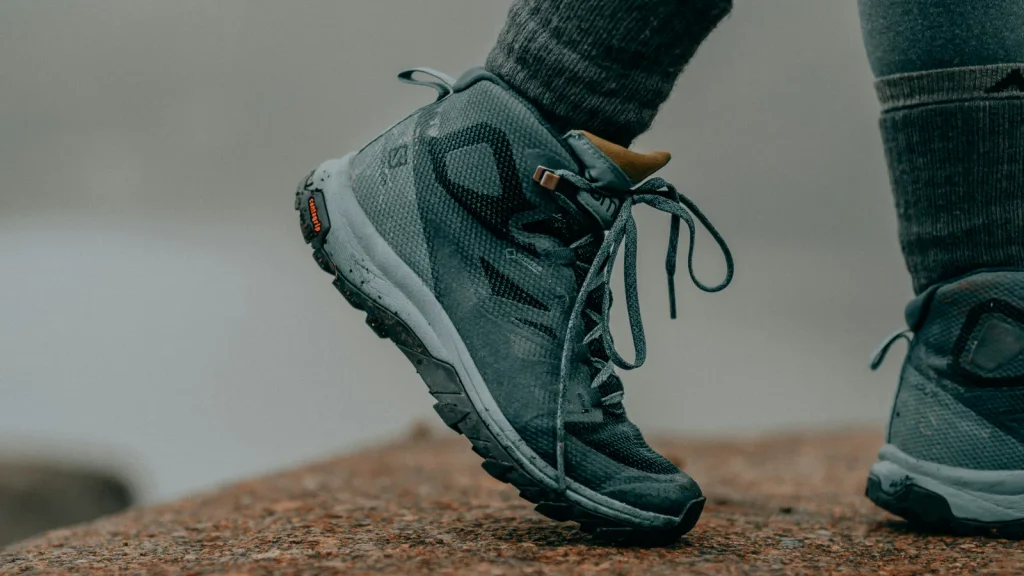
For a trip focused on cities and archaeological sites, a well-fitting pair of walking shoes is usually more useful than heavy boots. If you are trekking, choose footwear you have already worn on long walks. Uneven paths, stone steps, and rain can make new or slippery shoes uncomfortable or cause blisters.
Bring a small daypack for daily tours and transfers. On a typical day, you may want to carry:
- Your passport when your ticket or tour requires it
- A water bottle
- Sun protection and a light rain layer
- A warm layer for the return journey
- Any medication you need during the day
- Your phone, a power bank, and extra cash
Keep documents and essential medication in your hand luggage when flying. Before travel, check current baggage rules with your airline and any train operator on your route.
What to pack for Cusco and Machu Picchu
In Cusco and the Sacred Valley, mornings and evenings may feel much cooler than the middle of the day. Wear layers you can remove as you warm up. A sun hat, sunscreen, and sunglasses are useful for outdoor visits, while a compact rain layer is easy to keep in your bag.
For Machu Picchu, wear shoes that are comfortable on steps and take a light daypack with your essentials. Bring your entry documents and check the current visitor rules before leaving your hotel, since permitted items and bag arrangements can change. If your visit includes a hike, ask your operator what equipment is included and what you need to carry yourself.
Extra items for an Inca Trail or other trek
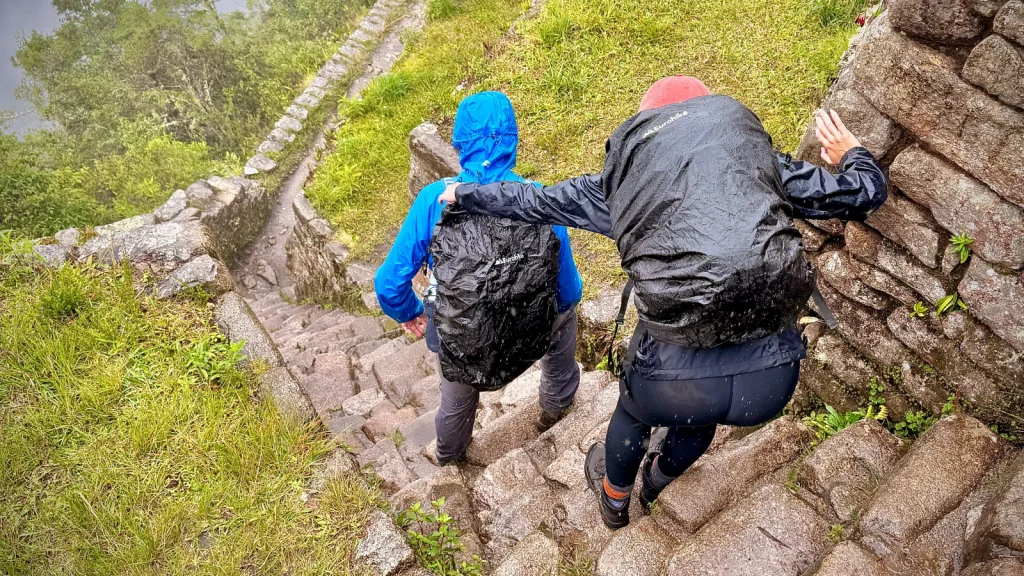
A multi-day hike calls for a more specific list than a general Peru holiday. Depending on your route and what your tour provides, you may need:
- A headlamp
- Quick-drying clothes
- Warm layers
- A water container
- Toiletries
- Bag for wet items
- Trekking poles or camping equipment may be available through your operator, so confirm inclusions before buying or packing them.
See our Inca Trail packing list for more details if you are doing the Classic Inca Trail. For other treks, follow the equipment list placed in every package on the web.
What to pack for Amazon
If your itinerary includes the jungle, perhaps Iquitos, Manu, or Puerto Maldonado, add:
- Lightweight, breathable clothing that covers your arms and legs
- Comfortable closed shoes
- Rain jacket
- Insect repellent
- Humidity can make clothes take longer to dry, so quick-drying fabrics are useful.
- A dry bag or waterproof pouch can help protect your phone and documents on boat journeys or rainy days.
- Headlamp
- Binoculars
Your lodge may supply some items for excursions. Check its recommendations before packing your gear.
What changes by season?
During the drier months in the Andes, plan for sunny days and cooler nights. In the wetter months, keep rain gear close at hand and consider a spare pair of socks for day trips. The coast and Amazon follow different weather patterns, so your exact route matters more than a single label such as “summer in Peru.” Our best time to visit Peru guide explains the regional differences.
Documents, personal medication, and electronics
Before you close your bag, check that your booking details match the names on your transport and entry tickets. Save digital copies of your reservations, hotels, flights, and tours somewhere you can access offline, and keep important documents protected from rain.
Pack enough of your regular medication for the trip, along with any prescription information you may need. A small kit with blister plasters, hand sanitizer, and your usual personal care items can be useful. If you have questions about altitude, vaccinations, or medication for your route, talk with your travel expert for some guidance, or speak with a qualified health professional before departure.
Bring chargers for the devices you actually use, a power bank for long travel days, and a plug adapter suited for Peru. Check the input voltage printed on your charger before plugging it in.
What can you leave at home?
Try to avoid packing several heavy jackets, brand-new hiking shoes, or too many outfits. A smaller bag is easier to manage on journeys that combine flights, trains, buses, and hotel changes. Pack for your planned activities, and check what your hotels and tour operator already provide.
Peru packing list FAQs
Do I need hiking boots for Peru?
Not necessarily, unless your trip includes multiday hikes. Comfortable walking shoes are enough for many city tours and standard sightseeing days. For longer hikes or rough terrain, choose footwear suited to the route and wear it in before traveling.
Should I pack for cold weather in Peru?
Yes, if you are visiting Cusco, Puno, or other Andean destinations. Even when afternoons feel warm, mornings and evenings can be cool. A warm layer is usually worth the space in your daypack.
Do I need rain gear in the dry season?
A light rain layer is still important, particularly if you will spend time outdoors or travel between regions. It takes little space and can be useful as weather is very unpredictable.
Is the same packing list suitable for the Inca Trail?
Use this list for your overall Peru trip, then follow a dedicated trekking list for the Inca trail, which most travel companies display along with the rest of the tour information. The items you carry and the equipment supplied depend on the route and travel company.
Pack for your route, not every possibility.
The best Peru packing list is the one that fits your itinerary. Start with comfortable shoes, layers, rain and sun protection, and your travel essentials. Then add a few items for Amazon or a trek if those experiences are part of your plans. If you are still deciding where to go, our Peru Travel Guide can help you build your trip itinerary before you pack.