How Crowded Is the Inca Trail?
 AuthorTeam Wayna Trekkers
The Inca Trail is one of the most famous hikes in South America, so it is normal to wonder how crowded it feels before booking. Many travelers imagine a busy trail full of people from start to finish, while others expect a remote mountain experience with almost no one around. The truth is somewhere in the middle. The Inca Trail is popular, especially during the dry season, but it is also strictly controlled by official permits. This means the trail never receives unlimited hikers in the same way that many open trekking routes do.
Unlike other treks in Peru, the Classic Inca Trail to Machu Picchu has a limited number of daily spaces. The standard limit is commonly listed as 500 spaces per day, and that number includes not only travelers but also guides, cooks, porters, and support staff. In practice, the number of actual tourists on the trail is much lower than 500. This permit system helps protect the archaeological sites, the mountain environment, and the overall trekking experience.
Is the Inca Trail Crowded?
Yes, the Inca Trail can feel crowded at certain times, especially during the high season from May to September. However, it is not crowded in the same way as Machu Picchu’s main entrance, Cusco’s historic center, or other attractions where many visitors arrive at the same time. On the trail, groups are spread out along several days of hiking, different campsites, mountain passes, and archaeological stops.
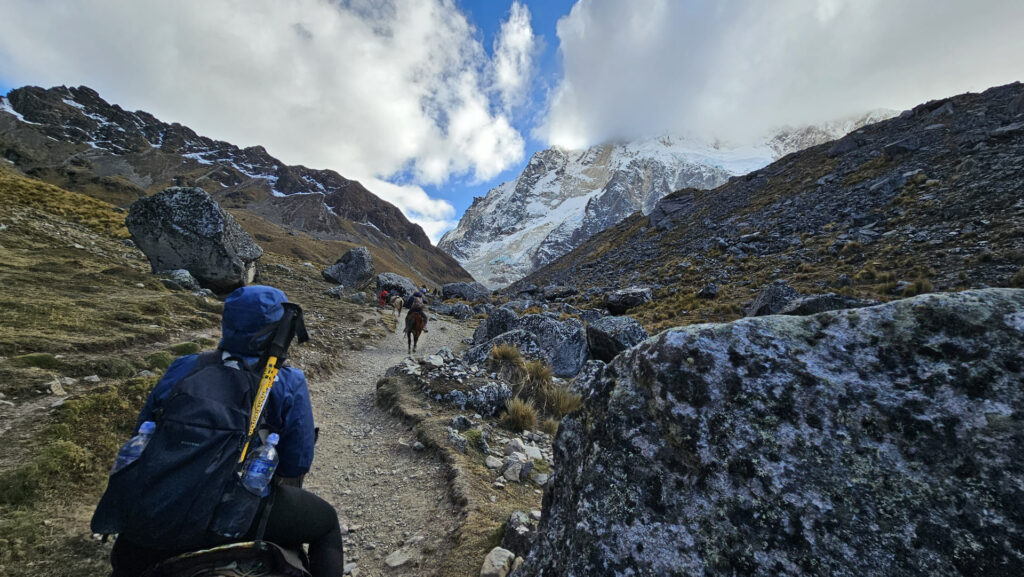
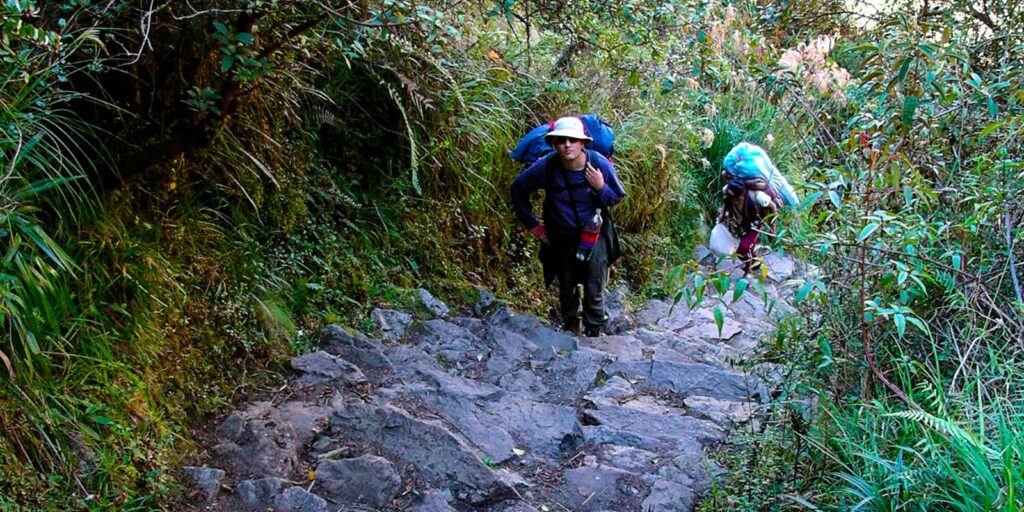
The busiest moments usually happen at the starting checkpoint, popular viewpoints, lunch stops, campsites, and famous sites such as Wiñay Wayna and the Sun Gate. During the walking sections, the trail often feels more peaceful because groups move at different speeds. Some travelers hike earlier in the morning, while others take a slower pace with more rest stops and explanations from their guide.
Why the Inca Trail Has Limited Crowds
The Inca Trail is not an open public path where anyone can arrive and start walking. Every traveler needs an official permit, and the route must be done with a licensed tour operator. This is one of the main reasons why the trail feels more organized than many other famous hikes around the world.
The permit system controls how many people enter the trail each day. It also protects sensitive archaeological areas, campsites, cloud forest sections, stone paths, and mountain ecosystems. Since porters, cooks, and guides are counted within the daily limit, the number of tourist hikers is much smaller than many people expect. This is important for travelers who are worried about overcrowding, because even in high season, the Inca Trail has a controlled capacity.
When Is the Inca Trail Most Crowded?
The Inca Trail is most crowded during the dry season, especially from May to September. These months are popular because the weather is usually more stable, with clearer skies and better mountain views. June, July, and August are normally the busiest months because they match the main travel season for visitors from the United States, Canada, Europe, and other international markets.
During these months, permits can sell out months in advance. If you want to hike the Classic Inca Trail in high season, it is best to book early. Many operators recommend booking at least 6 months in advance for popular dates, and even earlier if you are traveling in a large group or during holiday periods.
Best Months to Avoid Crowds on the Inca Trail
If you want a quieter experience, consider hiking in April, late September, October, or November. These months can offer a good balance between availability, weather, and fewer people on the trail. April comes after the rainy season and often brings greener landscapes. October and November are transition months, with fewer travelers compared to peak season.
The rainy season, from December to March, usually has fewer hikers, but weather conditions can be more challenging. Trails may be wet, clouds can limit views, and rain gear becomes essential. February is a special case because the Inca Trail is normally closed for maintenance and conservation work, so no treks operate during that month.
Where Does the Inca Trail Feel Most Crowded?
The Inca Trail does not feel equally crowded every day. Some parts are naturally busier because all groups must pass through the same checkpoints, campsites, and archaeological areas. The first checkpoint at Km 82 can feel busy in the morning because many groups begin around a similar time. This is often the first moment when travelers notice how popular the route is.
Campsites can also feel active in the evening, especially during high season. You may see several tour groups setting up tents, eating dinner, and preparing for the next day. However, during the actual hiking hours, groups often separate. The second day, which includes Dead Woman’s Pass, can feel more spread out because everyone walks at a different pace. The final section near Wiñay Wayna, the Sun Gate, and Machu Picchu can feel more emotional and busier because everyone is approaching the highlight of the trek.
Is Machu Picchu More Crowded Than the Inca Trail?
Yes, in many cases Machu Picchu feels more crowded than the Inca Trail itself. The trail is limited by permits and spread across several days, while Machu Picchu receives visitors from different routes, including train travelers, day tours, alternative treks, and Inca Trail hikers. This means the final arrival at Machu Picchu can feel much busier than the previous hiking days.
For many travelers, this contrast is part of the experience. The Inca Trail offers quiet mountain sections, cloud forest paths, Inca ruins, and remote campsites before arriving at one of the most visited archaeological sites in the world. If you expect Machu Picchu to feel more active than the trail, your expectations will be more realistic.
Is the 4-Day Inca Trail Crowded?
The 4-Day Classic Inca Trail is the most popular version of the route. Because of this, it usually has the highest demand, especially in dry season. The experience is still regulated by permits, but you should expect to see other groups along the way. This is not a private wilderness trek, but it is also not an uncontrolled mass-tourism route.
The 4-day itinerary is ideal for travelers who want the traditional Inca Trail experience: starting at Km 82, crossing high mountain passes, visiting several archaeological sites, camping along the route, and arriving at Machu Picchu through the Sun Gate. If your main concern is avoiding people, you may want to choose shoulder-season dates or consider the 5-Day Inca Trail.

Is the 5-Day Inca Trail Less Crowded?
The 5-Day Inca Trail can feel more relaxed than the standard 4-day itinerary. It follows the same classic route, but the pace is slower and the daily hiking distances are usually shorter. Because the itinerary is less rushed, groups may avoid some of the busiest timing patterns of the standard route.
This option is excellent for travelers who want more time for photos, rest, cultural explanations, and a calmer trekking experience. It is also a good choice for families, senior travelers, photographers, or anyone who prefers not to feel rushed. The 5-Day Inca Trail does not mean the route will be empty, but it often feels more comfortable and less intense.

Is the Short Inca Trail Crowded?
The Short Inca Trail is different from the Classic Inca Trail. It usually begins at Km 104 and follows the final section of the ancient trail to Machu Picchu. This route is shorter, does not include camping, and is popular with travelers who want to hike into Machu Picchu through the Sun Gate without completing the full 4-day trek.
The Short Inca Trail also has daily permit limits. Some operators list the Short Inca Trail limit at around 250 spaces per day, including support staff. Because the hike is only one day, it may feel busy at the checkpoint, Wiñay Wayna, and the Sun Gate, but it is still controlled by permits.
How to Avoid Crowds on the Inca Trail
The best way to avoid crowds is to choose your travel dates carefully. April, late September, October, and November are often better options than June, July, and August if you want a quieter experience. You should also avoid major holiday periods when possible, especially if you are flexible with your travel dates.
Booking with a good local operator also makes a difference. Experienced guides know how to manage timing, rest stops, campsite routines, and archaeological visits in a way that improves the overall experience. A well-organized itinerary can help your group avoid the busiest moments of the day and enjoy more peaceful sections of the trail.
Another useful option is choosing the 5-Day Inca Trail instead of the standard 4-day version. This gives you more time and a more relaxed pace. If Classic Inca Trail permits are sold out, the Short Inca Trail can also be a good alternative, especially for travelers who still want to enter Machu Picchu on foot through the Sun Gate.
Does the Inca Trail Feel Peaceful?
Yes, the Inca Trail can still feel peaceful, especially when you are walking through cloud forest, climbing mountain passes, or visiting archaeological sites early in the day. Even during high season, there are moments when your group may feel alone on the path. The beauty of the Inca Trail is that it combines popular historical importance with sections of real natural silence.
The experience also depends on your expectations. If you expect a completely empty trail, you may be surprised to see other groups. But if you understand that the Inca Trail is a world-famous route with controlled access, you can still enjoy it as a special and well-managed adventure to Machu Picchu.
Is the Inca Trail Worth It Despite the Crowds?
Yes, the Inca Trail is still worth it for most travelers. The route is not famous only because it leads to Machu Picchu. It is famous because the journey itself is part of the reward. Along the way, hikers experience original stone paths, high Andean landscapes, cloud forests, Inca archaeological sites, mountain passes, and the unforgettable arrival at Machu Picchu through the Sun Gate.
Crowds are part of the reality of hiking one of the most iconic trails in the world, but they do not usually ruin the experience. The permit system keeps the route controlled, and the right itinerary can make the journey feel more personal. If you book early, choose your dates wisely, and travel with a responsible local operator, the Inca Trail can still be one of the most memorable experiences in Peru.
So, how crowded is the Inca Trail? It depends on the season, the itinerary, and your expectations. The trail is busiest from May to September, especially during June, July, and August. However, because access is limited by permits, it never becomes an open, uncontrolled route. Some places may feel busy, especially checkpoints, campsites, Wiñay Wayna, the Sun Gate, and Machu Picchu, but many walking sections still feel calm and scenic.
For a better experience, book early, avoid peak dates when possible, and consider alternatives such as the 5-Day Inca Trail or the Short Inca Trail. With the right planning, the Inca Trail remains one of the best ways to reach Machu Picchu and one of the most rewarding hikes in South America.
FAQ About Inca Trail Crowds
Is the Inca Trail always crowded?
No, the Inca Trail is not always crowded. It is busier during the dry season from May to September, but quieter during shoulder months such as April, October, and November. Since permits are limited, the number of people entering the trail each day is controlled.
What is the least crowded month to hike the Inca Trail?
The least crowded months are usually during the rainy season, especially December, January, and March. However, these months can bring more rain and cloudy conditions. February is normally closed for maintenance, so it is not available for hiking.
Is the 5-Day Inca Trail better for avoiding crowds?
Yes, the 5-Day Inca Trail can be a better option for travelers who want a slower and more relaxed experience. It follows the same classic route but gives more time each day, which can help avoid some of the busiest timing patterns.
Is the Short Inca Trail less crowded than the Classic Inca Trail?
The Short Inca Trail is shorter and has a different route, starting at Km 104. It can still feel busy in some areas, especially near Wiñay Wayna and the Sun Gate, but it is also controlled by permits and is a good alternative when Classic Inca Trail permits are sold out.
Should I book the Inca Trail in advance?
Yes, you should book the Inca Trail in advance, especially if you want to hike between May and September. Permits are limited and can sell out quickly during peak season. Booking early gives you a better chance of securing your preferred date.

Team Wayna Trekkers
Travel specialist sharing practical advice, local stories and inspiration to help you discover Peru.