How to prepare for the Inca Trail after 50’s
 AuthorTeam Wayna Trekkers

The stereotype of a hiker, generally a 20-something person, with a moderate level of hiking and outdoor experience.
The truth shows the hiking community to be varied and wide in age, experience, and fitness levels. Usually, people in the backcountry focus on the criteria of desire to be outdoors. For various reasons, more and more people have the necessity to spend time in the woods and on the mountains to see landscapes, to find freedom and wildlife, to experience an adventure, and to be healthier. The hiking community is just a small subset of a larger group of travelers. Every time you travel, the people you meet here will surprise you, particularly in age. Besides, they are travelers in their 20’s and 30’s; there are also many in their 50’s, 60’s, or even 70’s, so anyone could think that they are too old to challenge the Inca Trail.
Why the Inca Trail Is Still an Excellent Adventure After 50
Many travelers over 50 have more travel experience, better planning habits, and a stronger appreciation for cultural experiences than younger hikers. Rather than rushing through destinations, mature travelers often enjoy taking time to absorb the incredible scenery, history, and local traditions found along the Inca Trail. The trek itself is challenging but not impossible. It combines moderate to strenuous hiking with plenty of rewarding moments that make every uphill climb worthwhile. Modern trekking operations also provide experienced guides, quality camping equipment, nutritious meals, and emergency safety procedures that significantly improve comfort throughout the journey. With realistic expectations and thoughtful preparation, many people discover that hiking the Inca Trail after 50 becomes one of the greatest achievements of their lives.
Understanding the Physical Demands of the Inca Trail
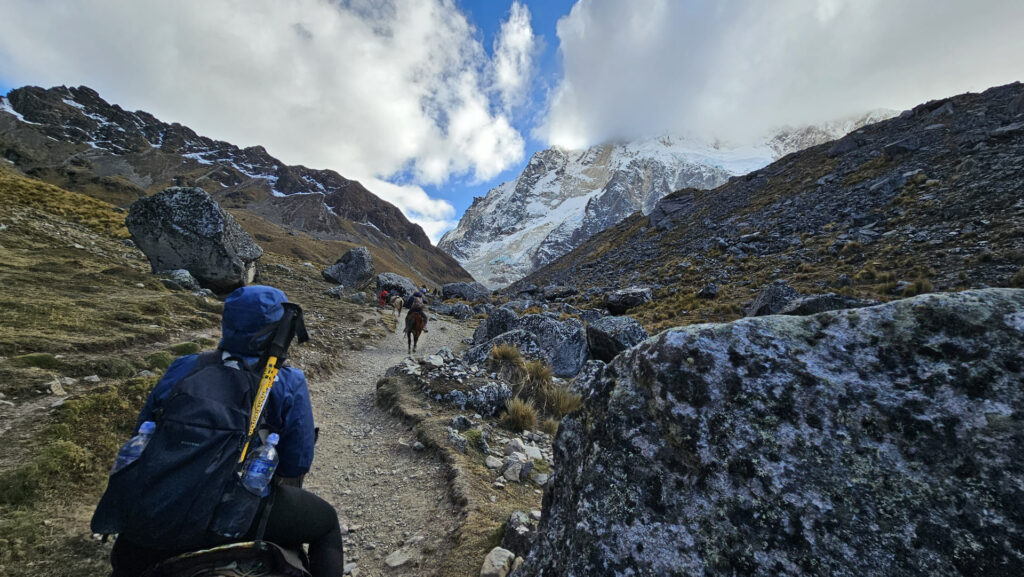
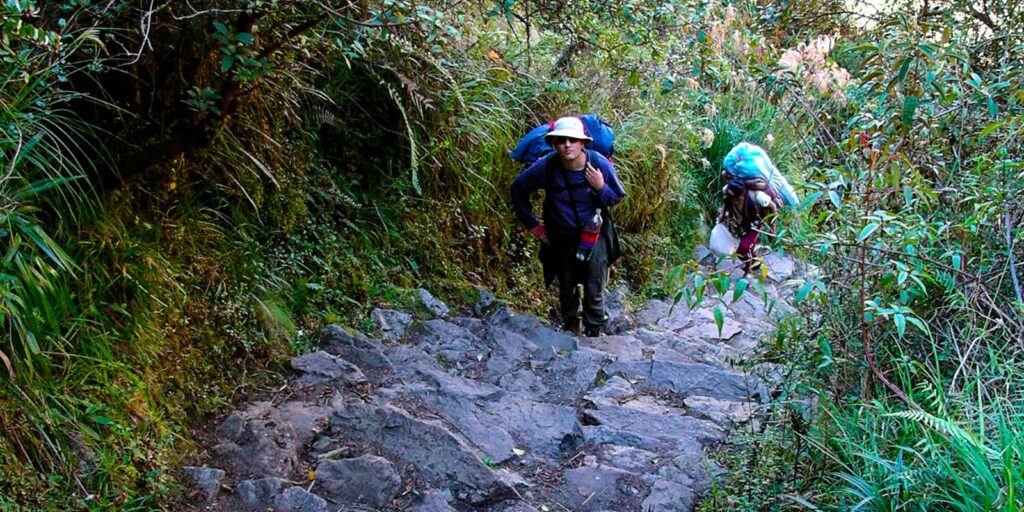
The Classic Inca Trail is a 42 km (26 miles) hike in four days. Along this ancient path, travelers will climb high, reaching elevations of more than 4200 mt (13,800 ft); here, the thin air can make some sections feel even more challenging than they would be. Most days of the hike range between 6 and 9 hiking hours, depending on your itinerary and your pace. The Inca Trail features Inca stone staircases, which add charm and history to your experience; however, they also require an additional strain on your legs when uphill and on your knees when downhill. Another important factor to understand is the weather, which is quite difficult to foresee; your day may start with sunny mornings, fresh evenings, occasional showers, and strong mountain winds. Having in mind what we could expect and preparing both physically and mentally will help us have a once-in-a-lifetime adventure.
Key challenges include the following:
- High altitude
- Long hiking days
- Uneven stone steps
- Unpredictable weather
- Essential facilities
- Consecutive days of strenuous trekking
Start Training at Least Three Months Before Your Trip
One big factor that makes an experience more enjoyable on the Inca Trail is optimal preparation of your body, and three months prior to your hike would be ideal. Rather than just paying attention on long hikes, we recommend building endurance and improving cardiovascular fitness as well as your flexibility and balance. Working on these areas will help you minimize injuries and reduce fatigue. Consistency at some point becomes more important than intensity. The mere way to follow these routines several times a week, your body will be experiencing a better physical state without overexertion. Truth be told, those who follow these guidelines and prepare optimally find the hike more enjoyable, as most of their energy is focused on witnessing the astonishing landscapes, archaeological remains, and unforgettable adventures along the Inca Trail.
Programming your walking
To simulate an actual trek, walking is the closest activity to it. Achieve between five and ten kilometers or even add hills to your daily practice whenever possible. If you happen to find a hike with elevation changes, it will be excellent preparation, and try carrying a backpack with your essentials, perhaps five or seven kilograms. We find this really helpful for your shoulders, strengthening your lower back and hips while understanding much better how to adjust your posture before traveling to Peru.
Strength Training
Strength exercises improve stability and protect your joints during long descents.
Focus on:
- Squats
- Lunges
- Step-ups
- Calf raises
- Core exercises
- Balance training
Even two sessions for strength workouts every week would make a significant improvement for the hike.
Altitude is a serious factor.
Despite age and physical condition, altitude affects anyone in different ways. A traveler in good shape and fitness level can also be vulnerable to altitude sickness, while another person who has never even worked out may not experience any symptoms. It’s certain that on the trail we reach 4,000+ masl; giving your body enough time to acclimatize is truly important for your travel plans. We advise being in Cusco or the Sacred Valley at least 48 hours prior to any hike, so your body will start dealing with thinner air. Staying in constant hydration, avoiding alcohol, eating balanced meals, and walking slowly are good ways to make the most of your days valuable to acclimatize smoothly; therefore, you will be in good condition to achieve the hike.
Choose the Right Inca Trail Tour Operator
Not all travel agencies and trekking companies offer the same standard service. Adult travelers tend to look at reputable companies that primarily highlight safety, small groups, high-quality trekking equipment, and experienced guides. So they can enjoy a comfortable experience during the hike without unnecessary pressure, while an experienced guide monitors every participant on how they deal with the altitude or if they are struggling with the hike. Reading reviews in different platforms, if the guides have legitimate certifications, and asking about the different procedures during emergencies, will truly build confidence significantly on your overall experience
Consider operators that provide:
- Small groups
- Experienced bilingual guides
- Oxygen tanks
- First-aid equipment
- High-quality camping equipment
- Nutritious meals
- Porter services
- Emergency evacuation procedures
Pack Smart Without Carrying Too Much
An efficient packing list will play an important role, especially after the 50s, given reducing the weight of unnecessary stuff will help you conserve energy for all the stages of the trek. It’s a given that porters carry most of your equipment (overnight clothing and toiletries); you still carry your essentials for the day in your backpack (water, snacks, documents, personal medication, and other daily essentials). You should aim to choose the right backpack size and pack light; good hiking gear will considerably enhance your experience and reduce physical strain. Each item picked to carry in your backpack must have an essential purpose for staying warm, hydrated, dry, and most importantly, “comfortable.” No need to add unnecessary vulk for a long trekking experience.
Essential packing list
Clothing
- Moisture-wicking shirts
- Light hiking pants
- Warm fleeces
- Waterproof jacket
- Wide-brimmed hat
- Warm hat
- Gloves
- T-Shirts
Footwear
- Waterproof hiking boots
- Hiking socks
- Camp shoes (could be snikkers)
Personal items
- Passport
- Sunscreen
- Sunglasses
- Lip balm
- Water container (2L)
- Headlamp
- Personal medications
- Camera
- Toilet paper
- Money
- Snacks
- Trekking poles
What to Put in the Duffle Bag
- 2 T-Shirts
- 2 hiking pants
- 4 sets of undergarments
- 3 sets of hiking socks
- Fleece/Thermals
- Warm clothes, down jacket—2nd campsite temp around 3°C
- Waterproof gloves
- Comfortable shoes for camp
- Quick-dry towel. We provide a small one; you might prefer something larger
- Small bottle of soap: we provide warm water each day to wash
- Battery Charger: No electricity along the trek
- Large plastic bags will be provided at the office to line your duffel
- Sleeping bag: It has to be at least -15ºC—This can be rented from your tour operator

Protect Your Knees During the Trek
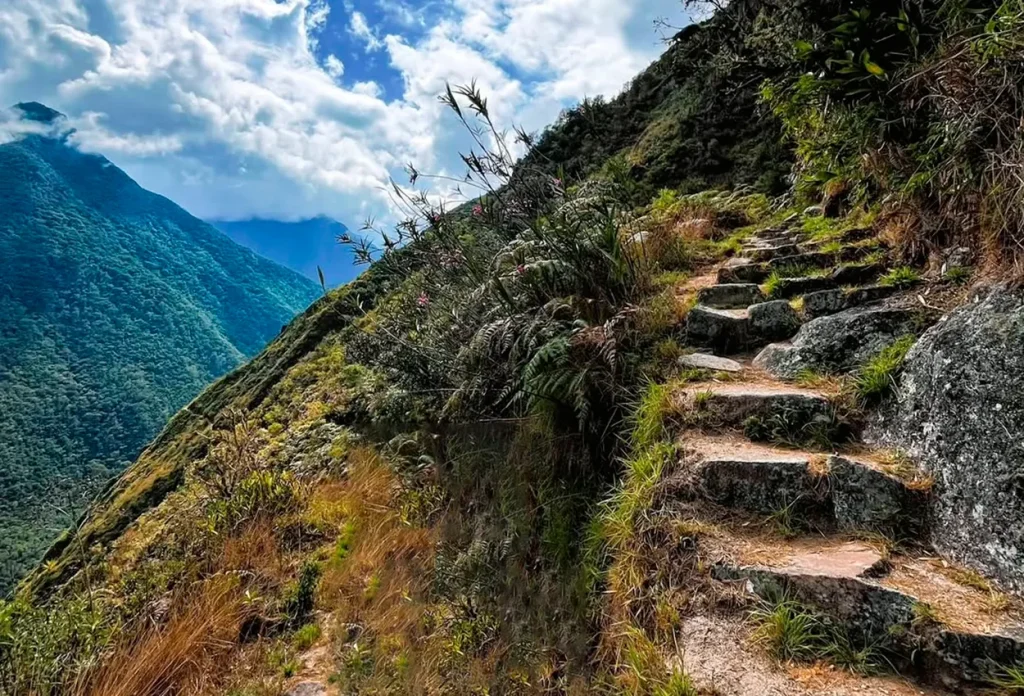
When descending Inca stone steps, it means that your knees will receive all the impact going down rather than hiking uphill. Travelers over 50 must pay attention to this detail and protect joints before and during the experience. We highly recommend hiking sticks, as they will significantly reduce the impact as well as improve stability, especially on this uneven and slippery terrain. Strengthen your legs and muscles before the hike; wear hiking boots with ankle support. Hiking slow and steady, avoiding rushing downhill, will prevent discomfort. Extra tips such as drinking water and stretching during breaks also help to maintain healthier joints throughout multi-day hikes. With all of these into consideration, allow you to finish the hike with better comfort.
Nutrition and Hydration Matter More Than You Think
Maintain consistency in all your energy levels if you are hiking consecutive days at high altitudes. Our bodies burn calories when doing these types of trips, especially hiking, making nutrition important. Most travel companies prepare fresh meals that contain carbs, proteins, vegetables, fruits, and beverages. Avoid digestive discomfort by bringing snacks, such as dried fruits, nuts, and energy bars. Drink enough water, even when you feel you do not need it, that supports acclimatization and will help any likelihood of headaches associated with altitude, ensuring comfort in enjoying every single part of your hike.
Mental Preparation is important.
While physical preparation is important to beat the Inca Trail. Your mental preparation will be essential too. Some sections of the Inca Trail will be challenging, the weather will be changeable and unpredictable, and altitude may slow your pace down. Being conscious that you are not racing anyone and there is no need to arrive earlier than others will define your adventure to be more enjoyable. Our aim is not to beat other groups but to accomplish every day successfully while we appreciate every astonishing Inca construction and Andean landscape and enjoy cultural immersion. Past travelers over 50 have described the trail as deeply rewarding and a great achievement, which was approached with patience, resilience, and realistic expectations rather than just focusing on speed.
Is the Short Inca Trail a Better Alternative?
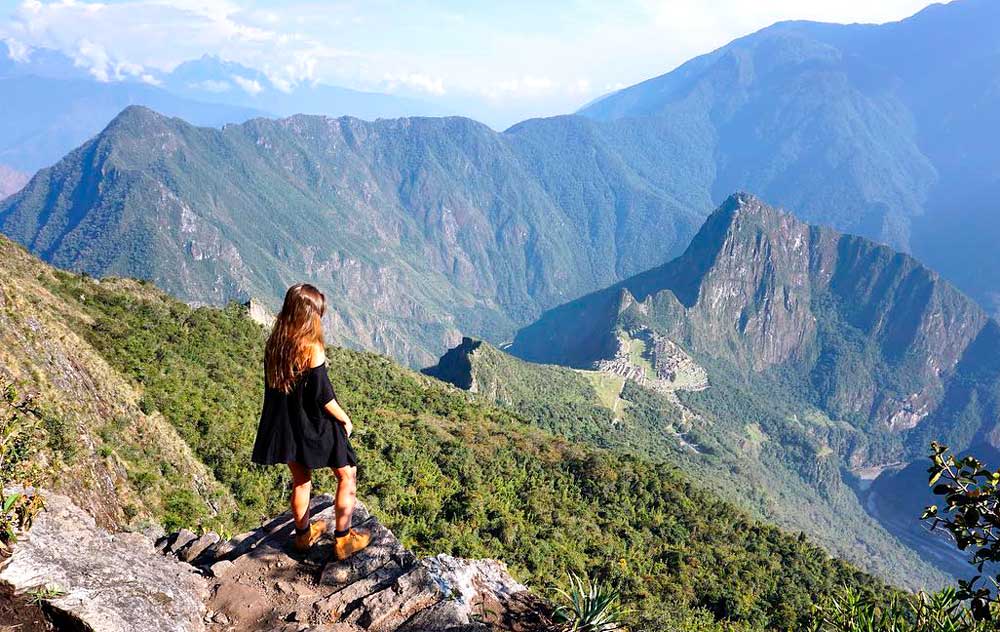
The 2-Day Short Inca Trail becomes an excellent option for travelers who want to still enjoy the beauty of the trail and the lush nature with less exertion. This trail offers us entry to Machu Picchu through the Sun Gate. The Short Inca Trail covers approximately 12 kilometers. As you still do a section of the long Inca Trail, it will skip the high mountain passes while still having a chance to see many of the most important Inca sites of the original route. The perfect option for those travelers with limited time, worried about endurance, or simply those who want to arrive at Machu Picchu on a moderate adventure without the risks of the longer trail. This is the ideal balance of moderate adventure, comfort, and cultural experience that visitors over 50 will love.
Based on the lines above, preparing a hike after 50 becomes more efficient when planning wisely. A big number of travelers experience every year that mature travelers can succeed on this iconic trek if they prepare correctly. In summary, by improving your fitness, picking a reputable travel company, and respecting effects of altitude, your experience will be enjoyable on one of the greatest hikes around the world. The actual achievement is not only Machu Picchu, but you will also discover your own strength and appreciation of the treasures that this beautiful country has to offer.
Frequently Asked Questions
Can you hike the Inca Trail after age 50?
Of course, many travelers from all over the world in their 50s, 60s, and even 70s achieve the Inca Trail every year. With good physical preparation, enough acclimatization, good health, and a reliable company, you will conquer the trail despite age itself.
How fit should I be for the Inca Trail after 50?
You do not have to be an athlete; however, you should be comfortable walking several hours over uneven terrain while carrying a small daypack. A consistent training program including walking, strength exercises, building endurance, and hill hikes for at least three months is strongly recommended before your trip.
Is altitude more difficult after age 50?
Every person feels the effects differently, and even some people do not get affected at all regardless of age. Proper acclimatization, drinking enough water, gradual activity, and listening to your body are the keys to reducing the effects of high altitude.
Should I use trekking poles?
Yes. Trekking poles improve balance and significantly reduce stress on knees during steep descents. They are especially helpful for mature hikers navigating the ancient stone staircases found along the Inca Trail.
Yes, trekking poles are highly recommended, as they really help with your balance and reduce impact on your knees during downhills. It is helpful for mature hikers undertaking a hike with a lot of stone steps along the Inca Trail.
Is the Short Inca Trail better for older travelers?
The 2-Day Short Inca Trail would be a perfect option for older travelers too. Provides a complete experience without the exertion of the 4 days; it is a less strenuous hike and allows travelers to arrive at Machu Picchu through the Sun Gate.
What is the best time of year to hike the Inca Trail?
It is advisable to hike during the dry season, which runs from May through October. Generally, there are better weather conditions with minimum chances of rainfall and clearer mountain landscapes. However, permits for these months sell out extremely quickly, therefore, we recommend booking well in advance.

Team Wayna Trekkers
Travel specialist sharing practical advice, local stories and inspiration to help you discover Peru.