The Larco Museum in Lima Peru
 AuthorJunior Vilca H.
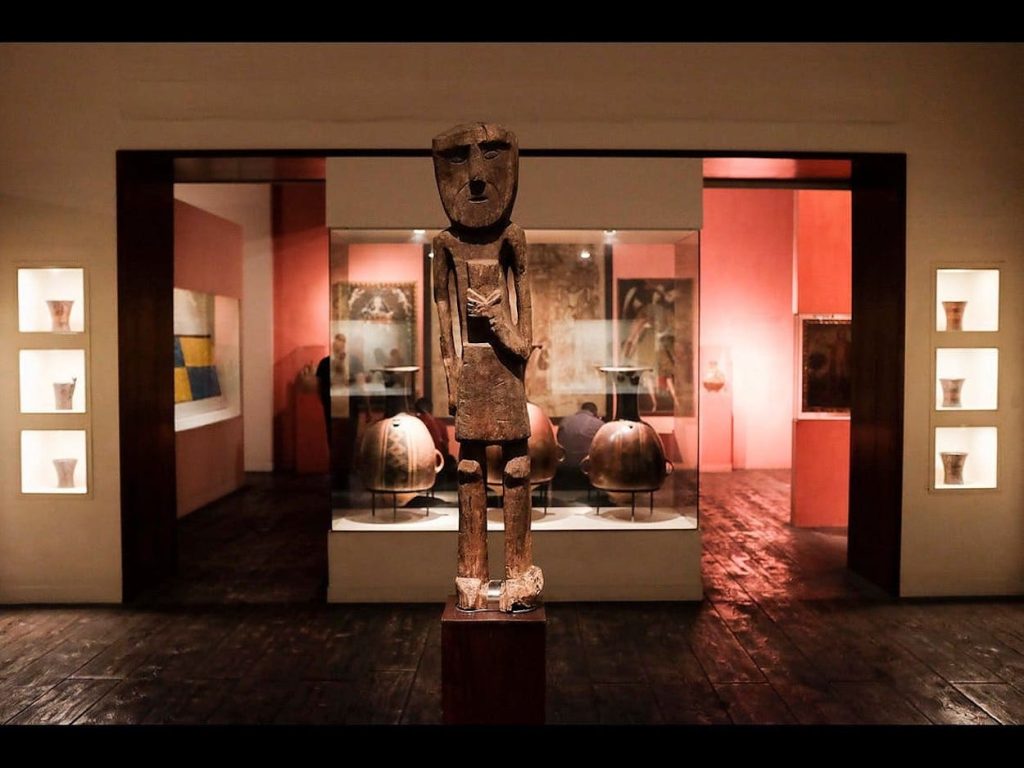
One should always visit a museum on any trip abroad; this generally gives a great insight into the country and culture. The Larco Museum in Lima, Peru is no exception. Here you will find a fascinating look into the ancient cultures of Peru and the surrounding countries.
Travel Advisor Choice recognized it as the best museum in Latin America for two consecutive years.
History
In an 18th-century viceroy’s mansion, the museum offers one of the largest presented displays of ceramics in Lima. Founded by pre-Columbian collector Rafael Larco Hoyle in 1926, the collection includes more than 50,000 pots, with ceramic works from the Cupisnique, Chimú, Chancay, Nazca and Inca cultures.
Highlights
Highlights include the sublime Moche portrait vessels, presented in simple, dramatically lit cases, and a Wari weaving in one of the rear galleries that contains 398 threads per linear inch – a record.
There’s also gold and jewels. Many visitors are lured here by a separately housed collection of pre-Columbian erotica illustrating all manner of sexual activity with comical explicitness. Don’t miss the vitrine that depicts sexually transmitted diseases.
Permanent Exhibitions at the Larco Museum
The Larco Museum boasts several permanent exhibitions, one of which is the Gold and Silver Gallery. This gallery showcases the largest collection of jewelry used by many notable rulers of pre-Columbian Peru. It comprises a collection of crowns, earrings, nose ornaments, garments, masks and vases, finely wrought in gold and decorated with semi-precious stones.
The Rooms
Introduction Room: Upon entering the museum, you will come across this small room which tells the story of Rafael Larco Hoyle. It briefly introduces the biography of the museum’s founder, such as his collection and the history of the Museo Larco. Also, there is a timeline that helps visitors understand the development of the Andean civilization and prepare them for the following rooms’ exhibitions.
Gallery of Ancient Cultures: This trip covers Peruvian history from 5000 BC to the Inca period before the Spanish conquest. The gallery consists of four main rooms (2,3,4 and 5) that feature ceramic objects, stone works, and woodworks used by various cultures of ancient Peru. All exhibits are arranged by region and ordered chronologically, covering more than 6000 years of pre-Columbian history.
Textile Room: Inside the Textile Room (Nº 6), you can see amazing examples of the technological and artistic mastery of ancient weavers, especially those belonging to Paracas culture. Alpaca and vicuña wool was used to weave garments of high quality since the earliest phases of civilizations in the Andes. These fabrics were used for articles of daily use, in ceremonies and offerings, and in burials, among other activities. Even with the advancement of technologies and skills, the parts became even more and more sophisticated! A note apart, next to this room, you will find fabric works by famous contemporary artists inspired by the looms of ancient Peru.
Sacrificial Ceremony Room: This area of the museum (room Nº 7) introduces visitors to the ancient practices relating to human sacrifices in ancient Peru. These Human Offerings were very common among ancient cultures, in particular those belonging to Mochica culture. Often, these religious practices were considered sacred acts to thank or pay tribute to the gods. And you’ll see the graphic representation of these bloody rituals in ceramics and keros (ceremonial cups)
Ceremonial Vessels Room: Inside this room (Nº 8), you will find a large selection of ceremonial vessels, which contain fermented drinks like the famous Chicha, sacred water, and blood of the sacrificed among other liquids used in rituals, ceremonies, offerings, and burials. The gallery shows cups, bowls, keros (ceremonial cups), and Aquillas (tall vases) made of wood, clay, and even precious metals like silver and gold. The objects made of gold and silver were used for rituals of the highest importance (related to the chief, king, or deity of the community). Don’t forget that ancient religious ceremonies were related to fertility, sacrifice, and the cult of the dead.
Music instruments and war rituals room: In room Nº 9 you’ll find different objects, mostly gold and silver, used during diverse battles that had the Peruvian ancient cultures. Besides musical instruments that accompanied wars like Antaras (a kind of Andean wooden flute), Quenas (Small wooden flutes joined from the smallest to the largest), Whistles, and Drums among others.
Funeral instruments room: Room Nº 10 shows the different instruments (made of wood, silver, and gold) used in funeral and burial rituals in ancient Peru. One of the things in common that the different Peruvian cultures shared was that death did not mean the end, but the beginning of a new life. And the burial process was just a temporary step in which the instruments shown in this room were used.
Gold and Jewelry Gallery: Inside rooms Nº 11, 12, and 13, you will find an exhibition of pre-Columbian pieces made of gold, silver, copper, and other various metals. You can find ceremonial pieces, funerary objects, and ornaments, between rings, bracelets, necklaces, bracelets, earrings, and even decorative jewelry from the clothing of kings, chiefs, and high priests of these ancient Peruvian civilizations.
Storage room:
The Larco museum is one of the few museums in the world that offers the possibility of visiting a storage room. You will have the possibility to admire more than 35,000 ceramic artifacts from different ancient cultures. Please note that they are all organized and labeled by topic and chronology. Considering that only about 4% of a museum’s collection is on display, this is a great opportunity to know best the legacy of these Peruvian cultures.
The Erotic Room
This collection of ceramic vessels portrays a variety of sexual positions and acts practiced by the ancient inhabitants of Peruvian cultures. This provides an approach to the perception of ancient Peruvian cultures to sexuality. Many of the erotic vessels were destroyed by the Spanish conquerors. Since they were mortified by the explicit sexual representation of the pottery, (Let us remember that the Europeans came to Peru in search of gold and silver treasures, under the pretext of evangelization and imposition of good customs to the native South Americans). But fortunately, many of these ceramics survived the passage of time and are on display today in this museum room.
Location
The address is Simon Bolivar, 1515 Avenue, Pueblo Libre district, Lima, Peru. Main entrance on Navarra Street. The distance from the museum to the historic center of Lima is 6.3 kilometers (3.91 miles) and to Miraflores, the district where is located the majority of hotels, is 9 kilometers (6 miles). To get there, you can take a taxi (We highly recommend using taxi apps like Cabify or InDriver), the taxi costs around $8 to $12 from Miraflores and $5 to $10 from the city historic center. Ask your hotel reception for help to get a taxi.
The museum has a Cafe Restaurant located on the second floor, on the terraces that overlook the beautiful gardens of the Spanish mansion. The restaurant presents a cozy and pleasant atmosphere where the visitor can enjoy of variety of food (cold and hot plates) like sandwiches, desserts, cakes, salads, and hot and cold beverages. There is also a museum shop where you can buy souvenirs or something to remember your visit to the Larco Museum.
Contact Wayna Trekkers for more information on the Larco Museum.

Junior Vilca H.
Travel specialist sharing practical advice, local stories and inspiration to help you discover Peru.