Is Peru Safe for Travelers?
 AuthorTeam Wayna Trekkers

Peru is a beautiful destination with a rich culture and history and one of the world’s most diverse countries. But many ask, is Peru safe for tourists? Absolutely! Peru has made great strides in tourist infrastructure and is just as safe as other popular tourist destinations. Following a few general guidelines will make your trip not only safe but also unforgettable! In this article we give and information and tips for your Peruvian adventure with Wayna Trekkers.
Crime
Theft
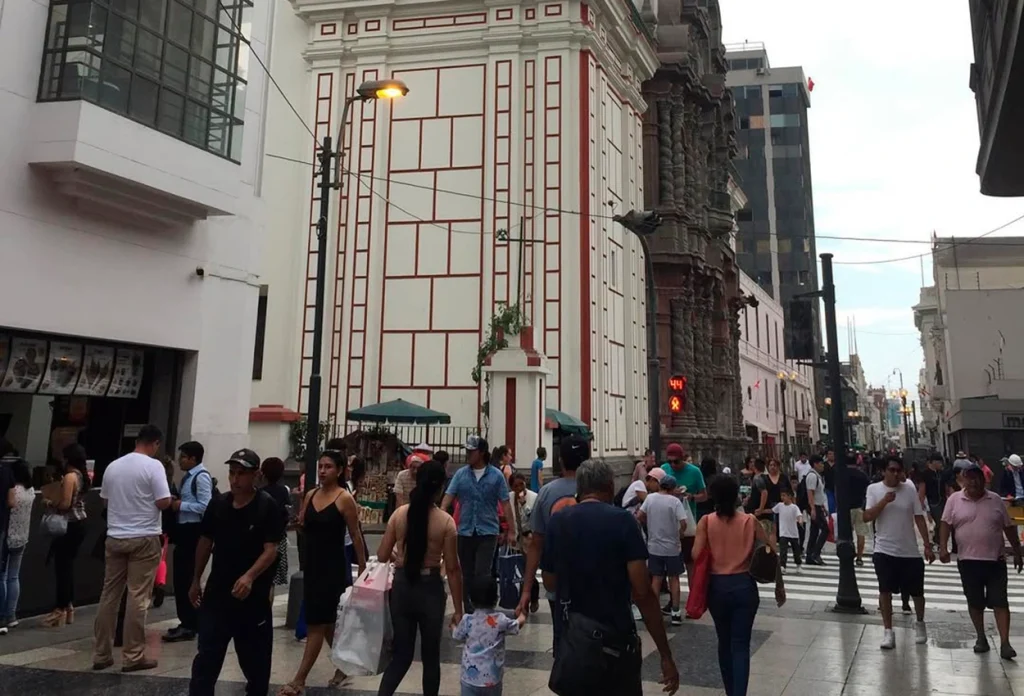
When traveling somewhere new, whether it’s Peru or a more developed country, it is always important to be aware of your surroundings. Keep valuables out of sight either in a hidden belt or in a completely closed purse or backpack while walking around.
Night Time
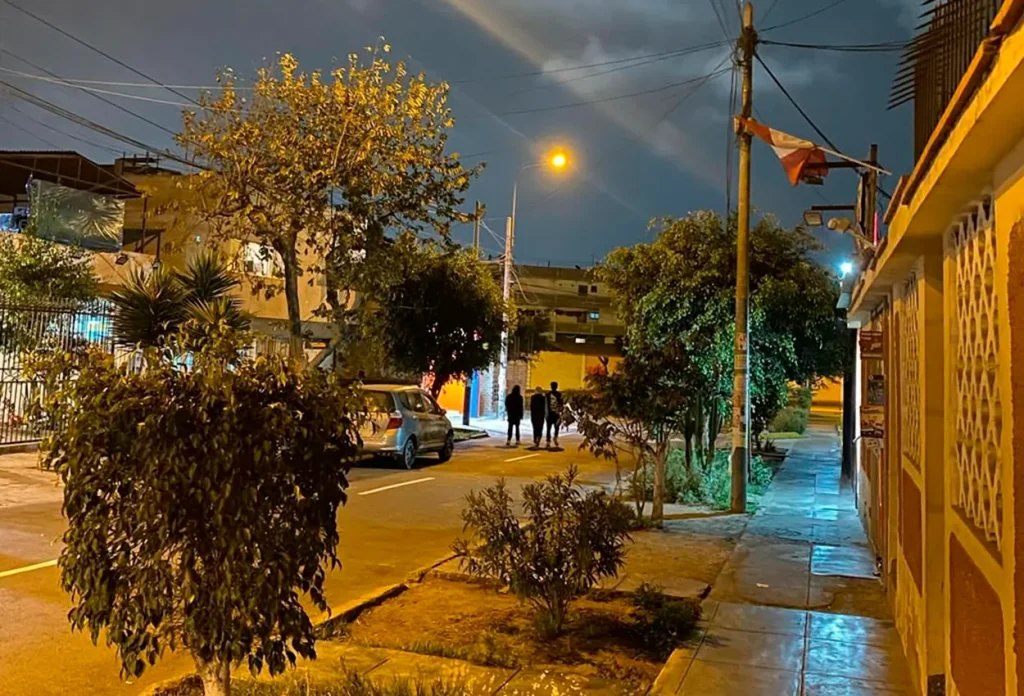
We all love to go out at night and see a destination from a different perspective, but you need to be more careful. Always return to your hotel or accommodation by safe taxi and avoid isolated areas. Don’t walk down dark streets alone.
Money scams

A common problem that travelers face is counterfeit currency. Normally, counterfeiters focus on large bills, such as 100 and 200 soles notes. However, it is possible to stumble upon fake coins as well. It can be tricky to spot fake currency, especially when it’s foreign. It is highly recommended to break large bills at trustworthy establishments such as grocery stores or banks in order to avoid counterfeit money.
Although uncommon, tourists can fall victim to credit card fraud in Peru. Untrustworthy establishments can make a copy of someone’s credit card, or devices can be placed in ATMs to copy card information. In order to avoid this, make sure that cashiers keep your card in sight and use ATMs that are located inside banks or supermarkets with security guards.
Social conflict
Protests
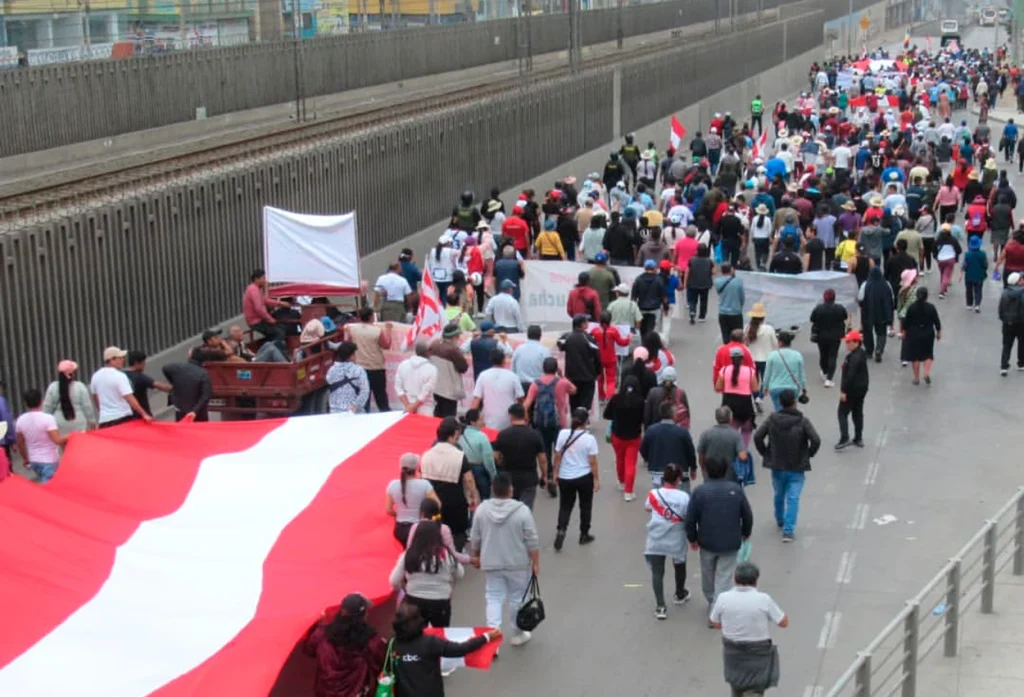
On the whole, Peru is a calm and peaceful country. However, protests occur from time to time. These are most common in the capital city of Lima and in Cusco and Machu Picchu.
Protests mostly center around national politics, and these demonstrations are often peaceful.
Since Cusco is a major hub for tourism in Peru, these demonstrations will often take place during the high tourist season (May-September). This allows the most economic impact for their cause.
Protests in Cusco usually involve blocking roads and train tracks. In some instances, protesters may throw rocks and light tires on fire. Although this is not done with the intention to harm tourists, travelers should always avoid protests. A helpful tip is to set a Google alert for Peruvian current events to stay up to date before your trip.
Transportation
Taxis
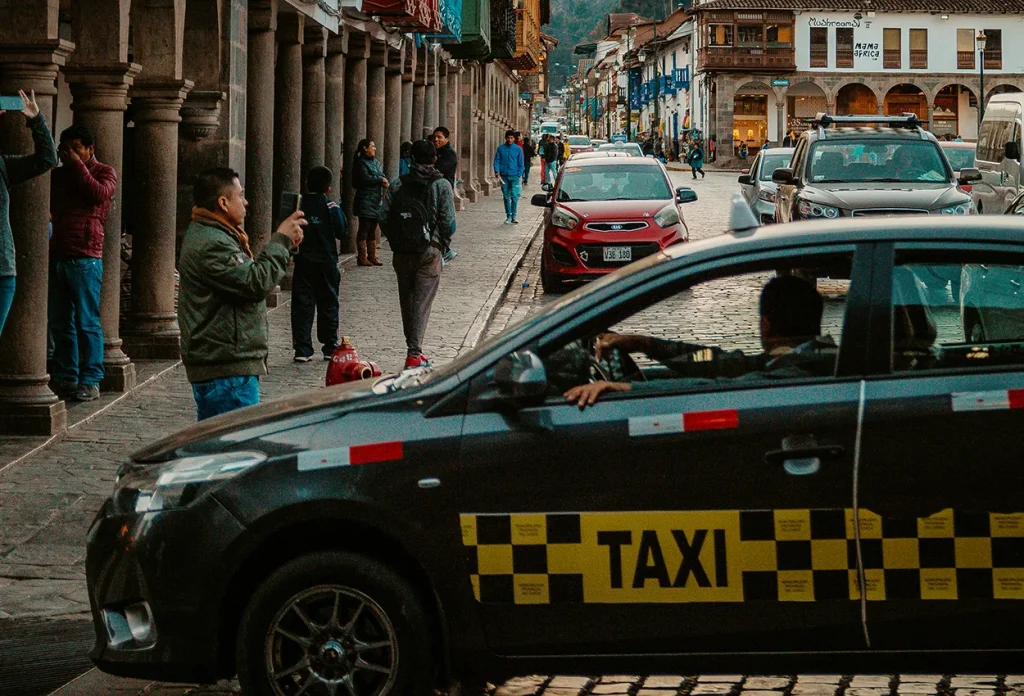
The best way to get around in Peru, outside of guided tours, is by taxi. It is recommended that you call a vetted taxi company or have your hotel call one for you. Airports also have official taxi companies inside the building that have fixed rates around the city. In Lima, it is also possible to call a taxi with a number of taxi apps, including Uber or Taxi Beat. It is not recommended hailing taxis on the streets; these are unreliable and sometimes dangerous.
Public transportation

Public transportation can be very complicated for foreigners, especially those with limited Spanish. You won’t find any route maps and timetables to tell you how to get to your destination. Instead, you would need to rely on asking locals and bus drivers.
Traffic

Other advice when it comes to getting around is to pay attention to traffic when out in the city. This is true whether you are driving or walking. If driving, be respectful of traffic flow whether or not those around you are following the rules of the road. Local drivers can be aggressive, so be sure to remain calm. When walking always look both ways when crossing the street, even if you have a green pedestrian light.
Tours

Tourism is the third major industry in Peru. You will find a wide variety of local agencies from very posh services to basic ones. It is always recommended that you check the reputation of the tour agency you choose to go with. Adventure tours include everything from hiking to horseback riding, ATV tours, kayaking and zip lining. These activities require strict regulations to ensure the safety of tourists. Adventure tour guides should be specifically trained for the activity, as well as first aid. If special equipment is needed, like ATVs and kayaks, it should also be properly maintained.
Peru has come a long way in its regulation of tourism. However, regulations still aren’t uniformly enforced. Some adventure tour providers may be operating informally and thus not adhering to safety rules. Although not common, accidents can occur during adventure tours with informal providers with disastrous outcomes.
Natural disasters

Peru’s geography is diverse and breathtakingly beautiful. But certain areas are prone to varying degrees of inclement weather and natural disasters.
Earthquakes
Overall, Peru is prone to different types of natural disasters. The most common natural disaster that occurs would be earthquakes since Peru lies in an active earthquake zone. There are frequent small earthquakes near the coastal region of Peru and also in the Andean Mountain range. If you begin to feel an earthquake while indoors, whether in Peru or anywhere else, be sure to stay away from windows and cover your head by going under any solid furniture such as a strong table. If you are outside, try to get to an open area as quickly as possible and away from tall buildings, trees, or landlines.
Floods and Landslides
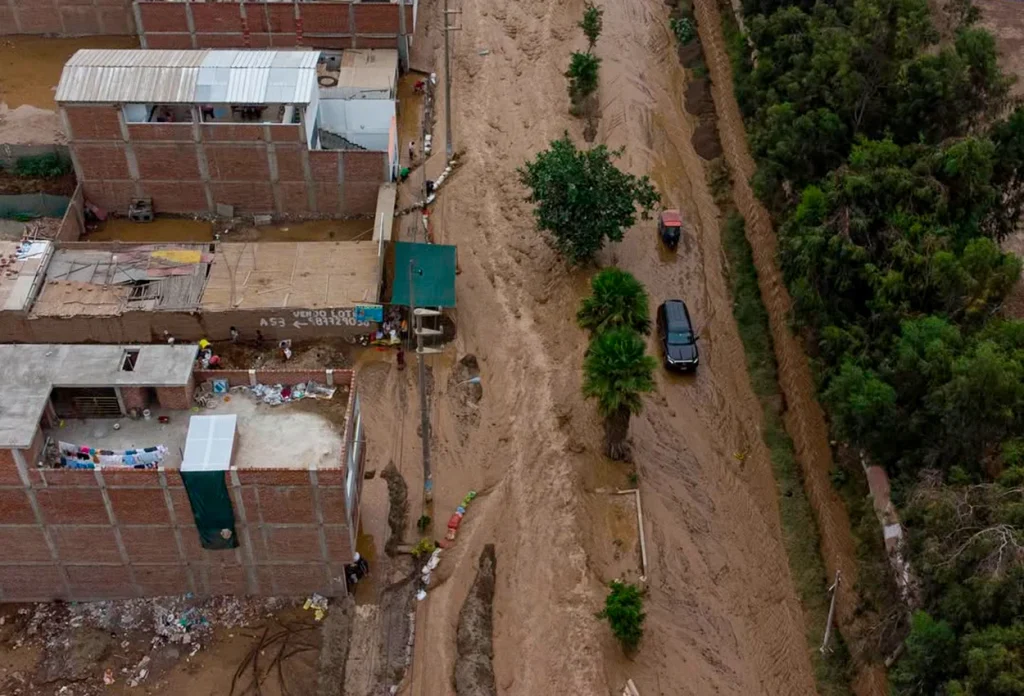
The Peruvian rainy season runs from November to April. During this time, the Andes Mountain range and Amazon jungle experience heavy rainfall. It is possible that floods and landslides can occur affecting the roads and railways in the Cusco area as well as walkways in the Amazon Jungle.
Volcanic Eruptions
Peru is home to over 30 volcanoes with a little less than half being classified as extinct. Many of these volcanoes, active or extinct, lie in the Andean Mountain range of Southern Peru. The most visited destinations with volcanoes nearby are Arequipa and Colca Canyon. The city of Arequipa is surrounded by three volcanoes, with the snow-capped El Misti being the most famous of the three. While these volcanoes are absolutely stunning, it is important to pay attention to all volcanic eruption warnings such as frequent earthquakes in the area.
General Safety tips
- Keep valuables safely stowed out of sight in a money belt, purse, or backpack.
- Leave expensive or flashy jewelry in your hotel safe (or at home).
- Walk on well-lit and populated streets.
- Use reputable tour and transportation services.
- Drink filtered or bottled water.
- Stay well hydrated and protect yourself from the sun.
- Wear insect repellent in tropical and subtropical regions of Peru.
- Pay attention to traffic when walking or driving.
- Make copies of important documents, like passports, visas, and credit cards. Keep them in a safe place in case of theft.
Some general questions.
How can I avoid getting altitude sickness?

Altitude sickness affects most people at and above 8,000 feet (2,438 meters) above sea level. There are a few ways to combat altitude sickness:
- Drink plenty of water.
- Eat light meals on the first few days at high elevation.
- Avoid strenuous activity during the first few days at high elevation.
- Gradually travel to higher elevations
- Use local remedies, such as coca tea, if recommended by your doctor.
- Use over-the-counter or prescription medication if recommended by your doctor.
Can I drink the tap water in Peru?
The simple answer to this question is no. Peruvian Tap water is unsafe and you should only drink filtered or bottled water.
Should I get insurance before traveling to Peru?
It’s always a good idea to have travel insurance before any big international trip! Although Peru is a perfectly safe travel destination, things don’t always go according to plan. This could be because of inclement weather that cancels a flight or lost luggage from a connecting flight.
Peru is a wonderful safe destination; with a few precautions your vacation will be a memorial experience. Contact Wayna Trekkers today for all your tours in Peru.

Team Wayna Trekkers
Travel specialist sharing practical advice, local stories and inspiration to help you discover Peru.